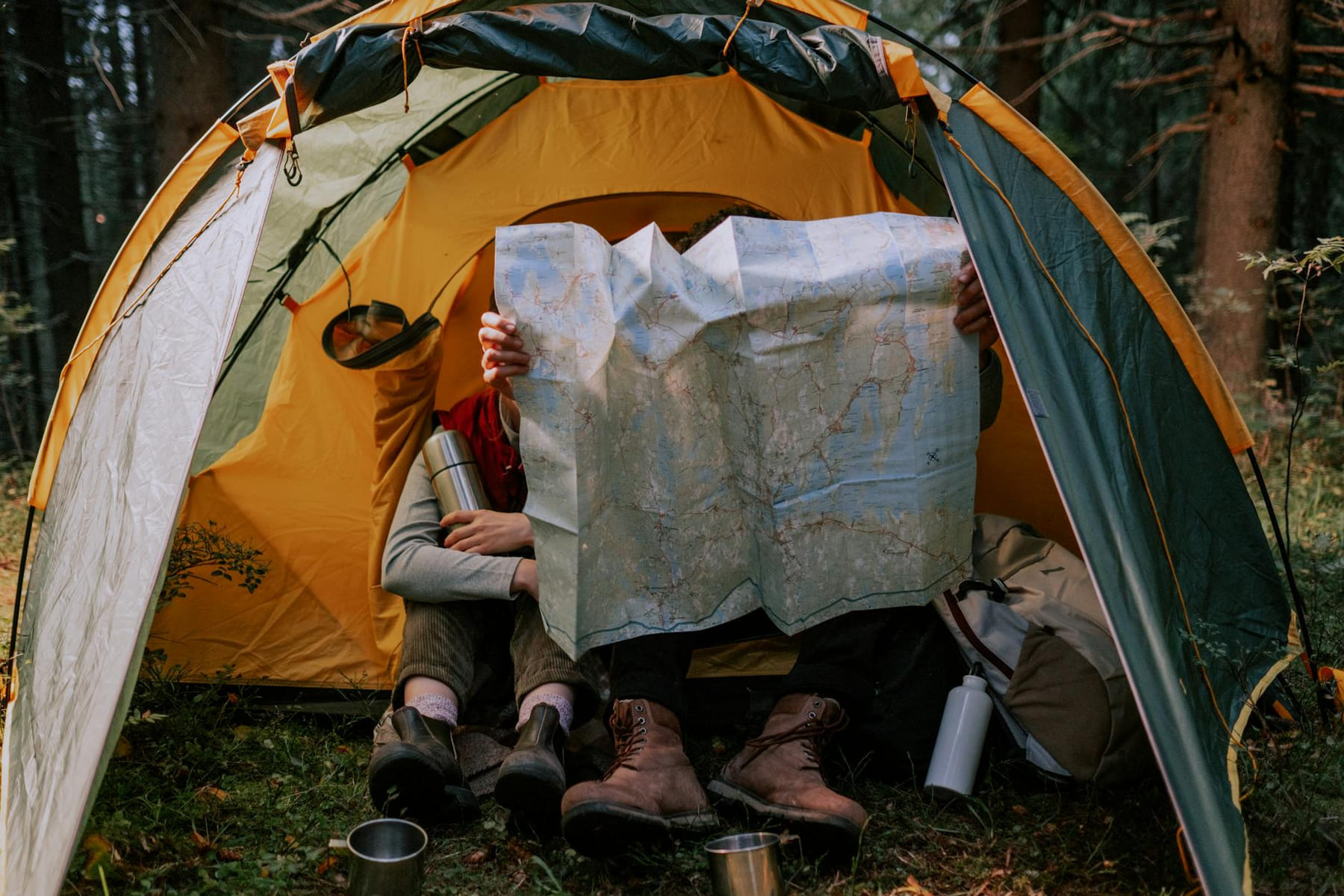
Remember that feeling? That pull to just go - to pack a bag, hit the road, and lose yourself in the wide-open spaces? Adventure doesn’t have to cost a fortune. A lot of people, especially younger generations, are realizing that a truly great trip isn’t about how much you spend; it’s about the experiences you collect and the memories you make. Smart spending is key, and this post is all about turning a simple road trip into a fantastic, budget-friendly camping adventure. Let’s ditch the pressure to impress and focus on getting outside.
Route Planning & Location, Location, Location (Road Trip)
Seriously, the biggest cost-saver in any road trip is often where you choose to camp. Rushing into a well-equipped campground with all the bells and whistles is a fast track to overspending. The secret is thoughtful planning. Start by mapping out a general route - maybe a loop through a specific state or region - and then start looking into the free and low-cost camping options available along the way. The Bureau of Land Management (BLM) is a fantastic resource. Across the American West, BLM land offers huge areas where dispersed camping is usually allowed - that’s camping outside of established campgrounds. It’s incredibly affordable (usually just a small parking fee, if anything), and the scenery is often breathtaking. but it’s really important to understand the rules. Dispersed camping typically means “leave no trace.” You’ll need to pack out everything you pack in, and you’ll usually be limited to a certain number of days in one spot. Check the specific BLM office’s website for their regulations - they can vary quite a bit from place to place. National Forest dispersed camping is similar, but with its own set of rules and regulations. These forests often have stricter rules about campfires and vehicle access. Again, do your research before you go. State Parks offer a good middle ground - they tend to be more developed than BLM or National Forest land, with restrooms and sometimes even water sources, but the campsite fees are usually lower than private campgrounds. Reservations are often required, especially during peak season, so book well in advance. Campendium () is a really helpful resource for finding campgrounds, reading what other campers have to say, and checking out the amenities - it’s basically like Yelp for campers. Freecampsites.net () is another solid option for finding free or low-cost campsites, though the information can sometimes be a little outdated, so double-check with the relevant agency. Recreation.gov () is your go-to for booking campsites in National Parks and some State Parks. Don’t just focus on the fastest route. Sometimes, taking a slightly longer, less-traveled road can save you money on gas and offer a more scenic experience. Just be realistic about how much time you have and how comfortable you are with navigating back roads.
Vehicle Prep - Keep it Rolling
A breakdown on a camping road trip is a major bummer. Preventing one is a smart investment. Before you even think about packing your tent, give your vehicle a thorough check-up. Start with the basics: an oil change, checking your tire pressure (and topping it off if needed), and ensuring all fluid levels are full - coolant, brake fluid, power steering fluid, windshield washer fluid. These are relatively inexpensive and can prevent serious problems down the road. DIY repairs are a really valuable skill for any budget camper. Knowing how to change a tire, replace a lightbulb, or tighten a loose bolt can save you a fortune in roadside assistance fees. There are tons of online tutorials and YouTube videos that can walk you through common repairs. Prioritize essential repairs - a flat tire or a dead battery are far more critical than a cracked taillight. Budget-friendly maintenance doesn’t have to involve expensive shop visits. Regularly inspecting your vehicle and addressing small issues promptly can prevent them from becoming bigger, more costly problems. A little preventative maintenance now can save you a lot of headaches (and money) later. Reliability is key on a road trip - you don’t want to be stranded somewhere remote.
Gear Up - Smart Shopping Strategies
Let’s be honest, the camping gear market can feel overwhelming, and expensive. But you don’t need to break the bank to enjoy the outdoors. The used gear market is your secret weapon. Facebook Marketplace, Craigslist, and REI Used Gear () are treasure troves of gently used camping equipment at significantly discounted prices. You can often find high-quality tents, sleeping bags, and backpacks for a fraction of their original cost. Don’t be afraid to ask friends and family if they have any camping gear they’re willing to lend you. A little borrowing can go a long way. When buying new gear, focus on the essentials: a tent, sleeping bag, sleeping pad, cooking stove, and headlamp. There are plenty of affordable alternatives to expensive, brand-name equipment. For example, a basic, inexpensive propane stove will work just as well as a fancy backpacking stove. Focus on functionality over flash - you’ll be much happier with a reliable, affordable setup than with a high-end one you don’t fully use.
Food & Cooking on the Go
Food costs can quickly add up on a road trip. The key is simple, affordable, and easy-to-prepare meals. Think one-pot wonders - chili, pasta with sauce, foil packet dinners. Rice and beans are incredibly versatile and budget-friendly. Don’t underestimate the power of sandwiches and wraps. Minimize food waste by carefully planning your meals and packing only what you’ll actually eat. Bring reusable containers to store leftovers. Lightweight, non-perishable food options like oatmeal, granola bars, nuts, dried fruit, and canned goods are your friends. Camp stoves are generally cheaper than traditional campfires, but consider the cost of propane or fuel. A simple butane stove is a good balance of affordability and convenience.
Beyond the Campsite - Free Activities & Amenities
You don’t need a fancy campground to have a great time outdoors. Often, the best experiences are found simply by exploring your surroundings. Many state and national parks offer free hiking trails, swimming areas, and stunning viewpoints. Stargazing is always free and a fantastic way to connect with nature. Exploring small towns and local communities can be just as rewarding as visiting popular tourist destinations. Consider the value of basic amenities versus full-service campgrounds. A campsite with a picnic table and fire ring is often sufficient, especially if you’re comfortable cooking your own meals. Don’t overlook the opportunity to simply relax and enjoy the peace and quiet of nature.
Conclusion
Planning a budget camping road trip doesn’t have to be stressful. It’s about prioritizing what’s important - a connection with the outdoors, a sense of adventure, and memories that will last a lifetime. By focusing on smart planning, vehicle preparation, smart gear choices, and budget-friendly food, you can create an amazing experience without breaking the bank. So, start mapping out your route, gather your gear, and get ready to hit the road! Ready to start dreaming up your adventure? the recommendations below. Let’s get outside!
Keep This Practical
Camping gets better when the next gear or planning choice removes stress instead of adding more to manage. Start with the part of the trip that most affects comfort, setup, or cost.
Tools Worth A Look
If you are trying to keep outdoor trips affordable without making them harder, the recommendations below are the closest fit.
- ECOOPRO Portable, Waterproof, Lightweight Sleeping Bag with Compression SackFire-Maple Fixed Star X2 Backpacking and Camping Stove System Outdoor Propane Camp Cooking Gear Portable Pot Jet Burner SetGORILLA GRIP Durable Camping Hammock with Heavy Duty Tree Straps, Portable HammocksKootek Camping Hammock 400 lbs Capacity, Portable Hammocks with Tree Straps & Attached Carry Bag, Camping Essentials GearCamping Book Set: RV or Camping Trip Planning Guide for a Family-Friendly Budget-Conscious Vacation
Some of the links on this page are Amazon affiliate links, which means I may earn a small commission if you make a purchase through them. As an Amazon Associate, I earn from qualifying purchases.
Related ReadingMore from The Frugal Camper
Camping on a Dime: Simple Ideas
Your Step-by-Step Budget Camping Guide: Adventure Doesn't Have to Break the Bank (Camping on a Dime) By Jennifer Talbot - The Frugal Camper April 13, 20...
Camping on a Budget: First-Timer Fixes
for Beginners: Troubleshooting Common Problems on a Budget can be easier to approach when you start with a few practical basics. So, you’re bitten by the camping...
Camping on a Dime: Your Grocery List
Your Ultimate Budget Camping Grocery List Camping doesn’t have to break the bank. In fact, with a little planning and a smart grocery list, you can enjoy.