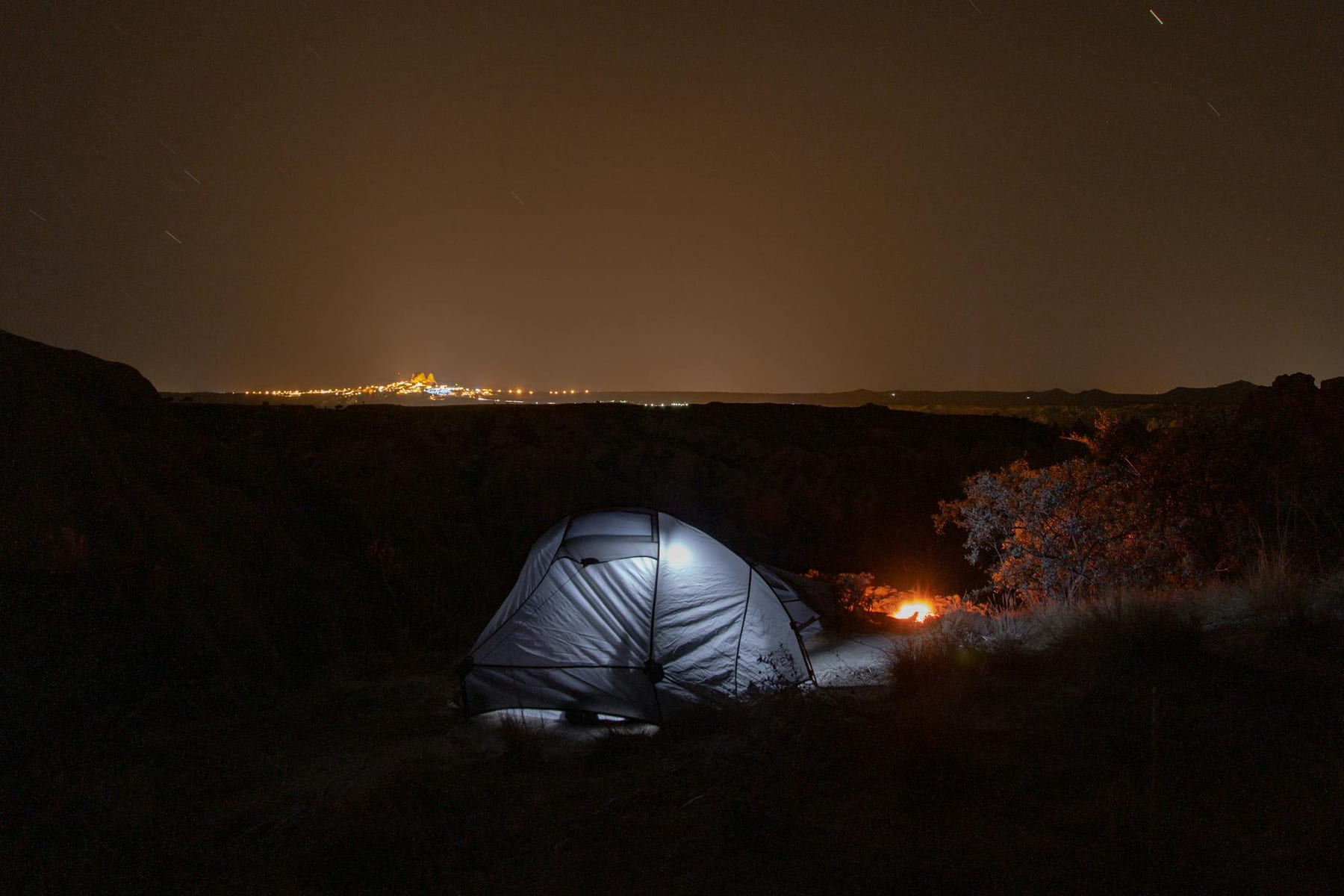
Keeping Your can be easier to approach when you start with a few practical basics.
|--------------------|----------------------------------|---------------------------|-----------------------| | Weight | Lightweight | Moderate | Heavy | | Lifespan | Very Long (1000+ cycles) | Moderate (500-800 cycles) | Short (300-500 cycles) | | Cost (Upfront) | Higher | Moderate | Lowest | | Charging Speed | Fast | Moderate | Slow | LiFePO4 batteries are quickly becoming the favorite among serious campers. They’re incredibly light - a huge plus when you’re lugging gear - and boast a significantly longer lifespan than other options. but the initial investment is higher. AGM batteries are a solid, reliable choice, offering a good balance between performance and cost. They're a dependable workhorse, but you’ll eventually need to replace them. Deep cycle lead-acid batteries are the cheapest upfront, but they’re heavy, have a shorter lifespan, and require occasional maintenance like checking water levels.Amp-Hours vs. Watt-Hours: What’s the Difference?
Okay, let’s tackle some jargon. You’ll hear terms like “Amp-Hours” (Ah) and “Watt-Hours” (Wh) thrown around a lot. Don’t let them intimidate you. Simply put, Ah measures how much current a battery can deliver for a period of time. Think of it like the length of a water hose - a longer hose can deliver more water. Wh, on the other hand, measures how much energy a battery can store. It’s like the size of the water tank - a bigger tank holds more water. Watt-hours are actually the more important measurement for camping because they tell you how long a device will run on a battery. Here’s a simple formula: Wattage of appliance / Battery Voltage = Run Time in Hours. For example, if you have a 12V battery and a light that draws 5 Watts, the run time would be 5 / 12 = approximately 0.42 hours (or 25 minutes). Estimating your power needs is crucial. Make a list of everything you want to power - lights, phone chargers, fans - and note their wattage. Don't forget to factor in how long you'll need each item to run. It's always better to overestimate slightly.
Charging Your Battery: Beyond the Generator
- Car Chargers: These are convenient for charging phones and small devices while you’re on the road. but they’re limited by the capacity of your vehicle’s battery. Don’t expect to fully charge a large battery this way.
- Portable Power Banks: These are versatile and can be a lifesaver. They’re relatively inexpensive and can charge different devices. Just be mindful of their capacity - they’ll run out of juice eventually.
- Shore Power: If you're camping at a campground with hookups, shore power is the most efficient way to recharge. It provides a consistent and reliable source of electricity.
- Solar Panels: A small solar panel can be a fantastic addition to your setup. Matching the solar panel size to your battery capacity is key. A larger battery will need a larger panel, and you’ll need more time in the sun to fully charge it. A 20-watt panel might be enough to top up a small 12V battery on a sunny day, but it won’t fully charge a larger one. Don’t forget a charge controller - this device prevents overcharging and protects your battery.
Budget Battery Recommendations (Let’s Get Practical)
- Under $100: You can find decent AGM batteries in this price range. Look for a 12V 35Ah AGM battery. These will be sufficient for powering a few lights and charging small devices. A basic portable power bank (around 20,000mAh) is also a solid choice.
- $100-$300: This range opens up the possibility of a LiFePO4 battery with a charge controller. A 12V 50Ah LiFePO4 battery with a basic charge controller will provide more power and a longer lifespan.
- $300+: If you’re serious about off-grid camping, consider a higher capacity LiFePO4 battery (100Ah or more) with integrated solar charging capabilities. These are a bigger investment, but they’ll give you more flexibility and reduce your reliance on external charging sources.
Keeping Your Battery Happy: Maintenance Matters
No matter which battery you choose, proper care is essential. Avoid deep discharging your battery - let it drop below 50% charge regularly. Store batteries in a cool, dry place, away from direct sunlight. If using AGM batteries, check the water levels periodically (if applicable - some are sealed).
Ready to Hit the Trail?
Choosing the right battery for your camping adventures is all about balancing your budget, your power needs, and your camping style. Take the time to research your options, estimate your power consumption, and prioritize battery maintenance. Don't let a dead battery ruin your trip. the recommendations below
Start with what you will actually use
With Camping Batteries: Keeping Your Lights On, the first question is usually not which option looks best on paper. It is which part will make day-to-day life easier, smoother, or cheaper once the novelty wears off.
A lot of options sound great until you picture them in a normal week. If the setup is fussy, the routine is easy to forget, or the maintenance is annoying, the appeal fades quickly.
There is also value in keeping one part of the process deliberately simple. Readers often do better when they identify the one decision that carries the most weight and make that choice carefully before they chase smaller optimizations. That keeps momentum steady and usually prevents the topic from turning into clutter.
What tends to get overlooked
Tradeoffs are normal here. Cost, convenience, upkeep, and flexibility do not always line up neatly, so it helps to decide which tradeoff matters least to you before you commit.
This usually gets easier once you make a short list of priorities. A tighter list tends to produce better decisions than trying to solve every possible problem at once.
Another useful filter is asking what you would still recommend if the budget got tighter, the schedule got busier, or the setup had to be easier for someone else to manage. The answers to that question usually reveal which advice is durable and which advice only works under ideal conditions.
How to keep the setup simple
If you want Camping Batteries: Keeping Your Lights On to hold up over time, choose the version you can actually maintain. That can mean spending less, leaving out an attractive extra, or simplifying the setup so it fits ordinary life.
The version that holds up best is usually the one you can live with on an ordinary day. That often matters more than the version that only feels good when you have extra time, energy, or money.
That is why the best next step is often a modest one with a clear upside. You want something specific enough to act on, flexible enough to adjust, and practical enough that you would still recommend it after the first burst of enthusiasm fades.
Keep This Practical
A frugal trip still works best when the essentials are solid. Focus on the gear or habit that improves safety and comfort first, then build the fun extras around that.
Tools Worth A Look
These picks are most useful if you want camping gear or trip supports that improve comfort, value, or setup simplicity.
- Odoland 10pcs Camping Cookware Camping Pots and Pans Set with Kettle Plastic Bowls and Soup Spoon for Camping, Backpacking, Outdoor CookingHow to Camp in the Woods: A Complete Guide to Finding, Outfitting, and Enjoying Your Adventure in the Great OutdoorsFree and Super Cheap Camping in the Southwest: Two Hundred Twenty Five 5-Star Campsites for National Forest Camping, BLM, Federal, State, County, RVKootek Camping Hammock 400 lbs Capacity, Portable Hammocks with Tree Straps & Attached Carry Bag, Camping Essentials GearCamping Book Set: RV or Camping Trip Planning Guide for a Family-Friendly Budget-Conscious Vacation
Some of the links on this page are Amazon affiliate links, which means I may earn a small commission if you make a purchase through them. As an Amazon Associate, I earn from qualifying purchases.
Related ReadingMore from The Frugal Camper
Camping on a Dime: Simple Ideas
Your Step-by-Step Budget Camping Guide: Adventure Doesn't Have to Break the Bank (Camping on a Dime) By Jennifer Talbot - The Frugal Camper April 13, 20...
Camping on a Budget: First-Timer Fixes
for Beginners: Troubleshooting Common Problems on a Budget can be easier to approach when you start with a few practical basics. So, you’re bitten by the camping...
Camping on a Dime: Your Grocery List
Your Ultimate Budget Camping Grocery List Camping doesn’t have to break the bank. In fact, with a little planning and a smart grocery list, you can enjoy.