1. Underestimating Gear Costs (Camping Costs You Didn)
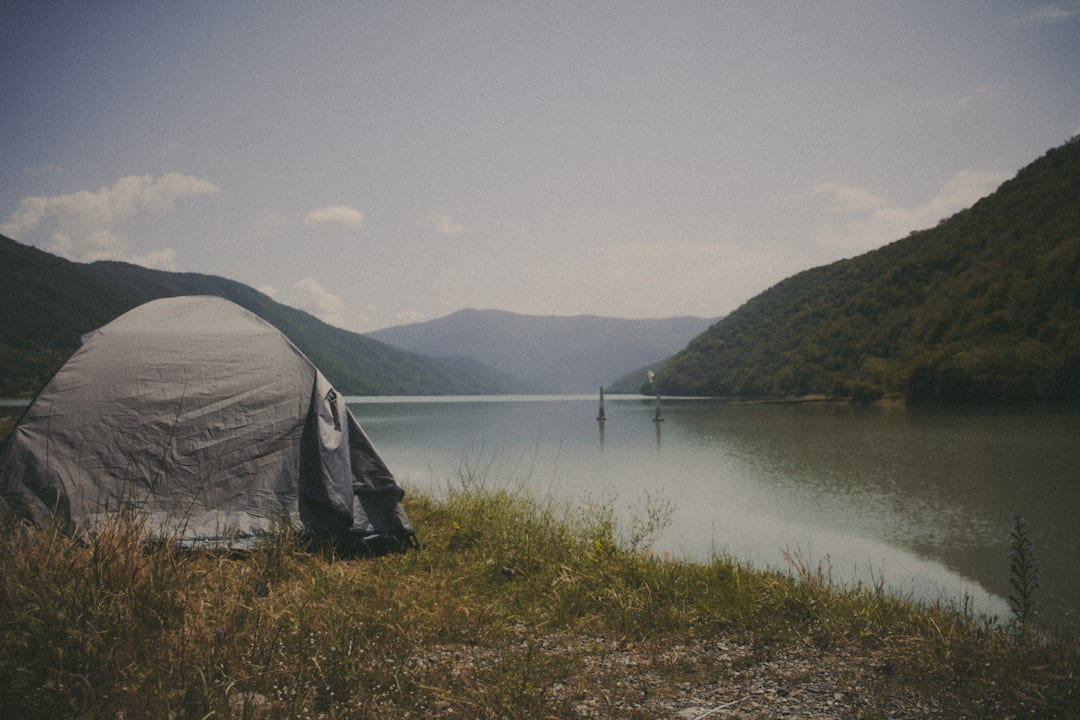
Camping Costs You Didn can be easier to approach when you start with a few practical basics. This is arguably the biggest offender. It’s incredibly easy to get caught up in the shiny new gear hype, especially when you’re starting out. You see beautiful photos of perfectly equipped campers and think, “I need that!” But let’s be realistic. You don’t need a brand-new, top-of-the-line tent with all the bells and whistles for your first few trips. The initial investment in quality gear can be daunting, but it doesn’t have to be. The key is to start small, prioritize essentials, and consider buying used.
Practical Example: Instead of buying a $300 backpacking tent, consider a used dome tent for $80-$150 on Facebook Marketplace or Craigslist. Or, if you're car camping, a simple, affordable pop-up tent can be a great option. Focus on a waterproof floor, a sturdy frame, and enough space for your needs. Don't forget essentials like a sleeping bag rated for the expected temperatures, a sleeping pad, and a headlamp. These items are far more crucial than fancy gadgets.
Frugal Tip: Check out consignment shops, outdoor retailers’ clearance sections, and online marketplaces for gently used gear. Don’t be afraid to ask for a discount, especially if you’re buying multiple items.
2. Forgetting About Food Costs
Food is often a significant, and easily overlooked, expense. Many campers underestimate how much they’ll actually eat, leading to inflated grocery bills. Planning your meals in advance is absolutely crucial. Don’t just throw together a bunch of random snacks; create a detailed menu and stick to it.
Practical Example: Instead of buying pre-packaged meals, plan to cook simple, one-pot meals like chili, pasta, or foil packet dinners. These are generally cheaper and require less cleanup. Bring ingredients in bulk - rice, beans, pasta, canned goods - and portion them out into reusable containers. Breakfasts can be as simple as oatmeal, granola, or breakfast burritos made with tortillas and eggs. Don’t forget drinks! Water is essential, but consider bringing powdered drink mixes to cut down on the cost of bottled water.
Frugal Tip: Pack a cooler with ice packs instead of buying ice at the campsite. Consider dehydrated meals for lightweight and affordable options, especially for backpacking trips. Learn to cook over a campfire - it’s a fun skill and a great way to save money.
3. Ignoring Campsite Fees
Campsite fees can vary dramatically, from free dispersed camping to expensive private campgrounds. Research your options carefully and choose campsites that fit your budget. Dispersed camping (boondocking) - camping on public lands outside of designated campgrounds - is often the most affordable option, but it requires more preparation and self-sufficiency.
Practical Example: National Forest and Bureau of Land Management (BLM) lands often offer free or very low-cost dispersed camping. However, these areas typically lack amenities like restrooms and water sources, so be sure to bring everything you need. State parks and national parks usually have established campgrounds with varying fees. Compare prices and amenities before making a reservation.
Frugal Tip: Look for campsites that are a bit further from popular areas - they’re often cheaper and less crowded. Consider camping during the off-season (spring and fall) when campsite fees are typically lower. Check for free camping events or festivals in your area.
4. Overpacking - The Weight of Regret
It’s tempting to bring everything you might need, but overpacking not only adds to the cost (more gear to buy!) but also makes your trip more difficult and less enjoyable. Every ounce counts, especially when backpacking. Be ruthless about what you bring and prioritize items you’ll actually use.
Practical Example: Before you pack, make a list of everything you need and ask yourself, “Will I really use this?” Leave the fancy gadgets at home. A basic first-aid kit, a multi-tool, a map and compass (and know how to use them!), and appropriate clothing are the essentials. Don’t bring a hairdryer or a portable espresso machine unless you’re prepared to carry the weight.
Frugal Tip: Lay out everything you plan to bring and then remove 20-30%. Share gear with friends or family to reduce individual costs. Borrow items you only need occasionally.
5. Not Planning for Transportation
The cost of getting to and from your campsite can easily be overlooked. Gas prices, vehicle maintenance, and potential campground access fees can add up quickly. Factor these costs into your budget before you even start planning your trip.
Practical Example: Calculate the distance to your campsite and estimate your gas costs based on your vehicle’s fuel efficiency. Consider carpooling with friends or family to reduce the number of vehicles traveling. If you’re driving a less fuel-efficient vehicle, explore alternative transportation options like buses or trains.
Frugal Tip: Maintain your vehicle to ensure optimal fuel efficiency. Check tire pressure, get regular oil changes, and avoid aggressive driving. Look for campgrounds that are within driving distance to minimize travel costs.
6. Forgetting About Miscellaneous Expenses
Beyond the big-ticket items, there are often smaller expenses that can sneak up on you. These include firewood, bug spray, sunscreen, toilet paper, trash bags, and fishing licenses (if applicable). Don't forget these essentials!
Practical Example: Buy firewood locally instead of bringing it with you - it’s often cheaper and supports local businesses. Pack plenty of bug spray to protect yourself from mosquitoes and ticks. Bring biodegradable soap and shampoo to minimize your environmental impact.
Frugal Tip: Create a spreadsheet to track all your expenses and stay within your budget. Set aside a small contingency fund for unexpected costs.
Conclusion: Smart Camping is Affordable Camping
Budget camping isn’t about sacrificing the joy of the outdoors; it’s about being mindful of your spending and prioritizing what truly matters. By avoiding these common mistakes and implementing these frugal tips, you can enjoy incredible camping experiences without emptying your wallet. Remember, the best camping trips are often the simplest ones. Happy camping!
Pick the easiest win first
Most people get better results with Camping Costs You Didn’t See when they narrow the decision to one real problem. That could be saving time, trimming cost, reducing friction, or making the routine easier to keep up.
This usually gets easier once you make a short list of priorities. A tighter list tends to produce better decisions than trying to solve every possible problem at once.
Another useful filter is asking what you would still recommend if the budget got tighter, the schedule got busier, or the setup had to be easier for someone else to manage. The answers to that question usually reveal which advice is durable and which advice only works under ideal conditions.
Keep This Practical
A frugal trip still works best when the essentials are solid. Focus on the gear or habit that improves safety and comfort first, then build the fun extras around that.
Tools Worth A Look
These picks are most useful if you want camping gear or trip supports that improve comfort, value, or setup simplicity.
- Best Tent Camping: Ohio: Your Car-Camping Guide to Scenic BeautyElegear CumbreX™ Self Inflating Sleeping Pad, 3.15" Ultra-Thick Memory Foam Camping PadKLYMIT Static V2 Inflatable Sleeping PadField & Stream Skills Guide: Camping
Some of the links on this page are Amazon affiliate links, which means I may earn a small commission if you make a purchase through them. As an Amazon Associate, I earn from qualifying purchases.
Related ReadingMore from The Frugal Camper
Camping on a Dime: Simple Ideas
Your Step-by-Step Budget Camping Guide: Adventure Doesn't Have to Break the Bank (Camping on a Dime) By Jennifer Talbot - The Frugal Camper April 13, 20...
Camping on a Budget: First-Timer Fixes
for Beginners: Troubleshooting Common Problems on a Budget can be easier to approach when you start with a few practical basics. So, you’re bitten by the camping...
Camping on a Dime: Your Grocery List
Your Ultimate Budget Camping Grocery List Camping doesn’t have to break the bank. In fact, with a little planning and a smart grocery list, you can enjoy.