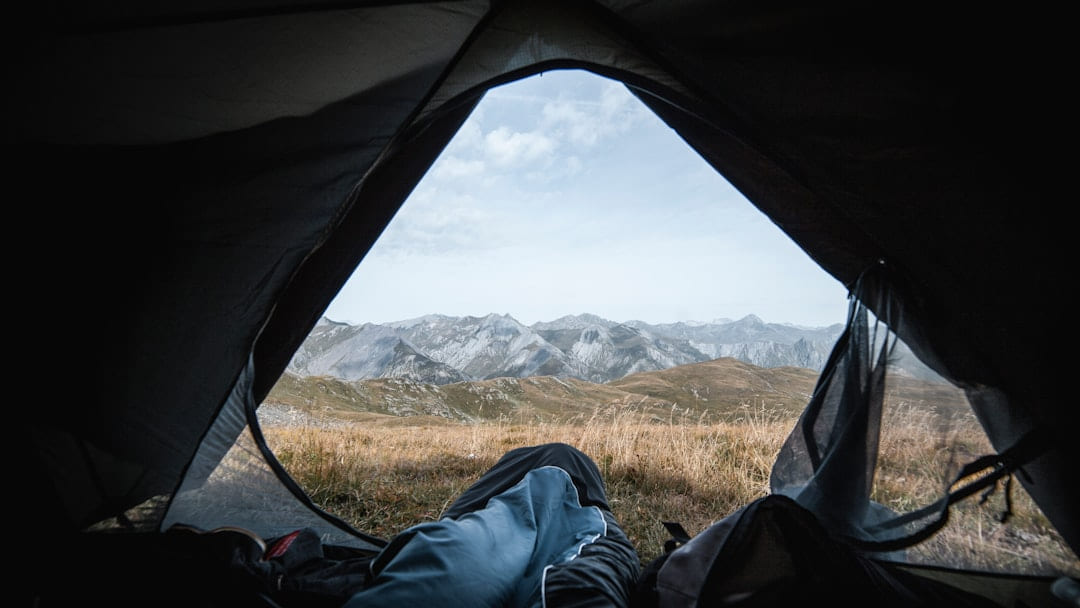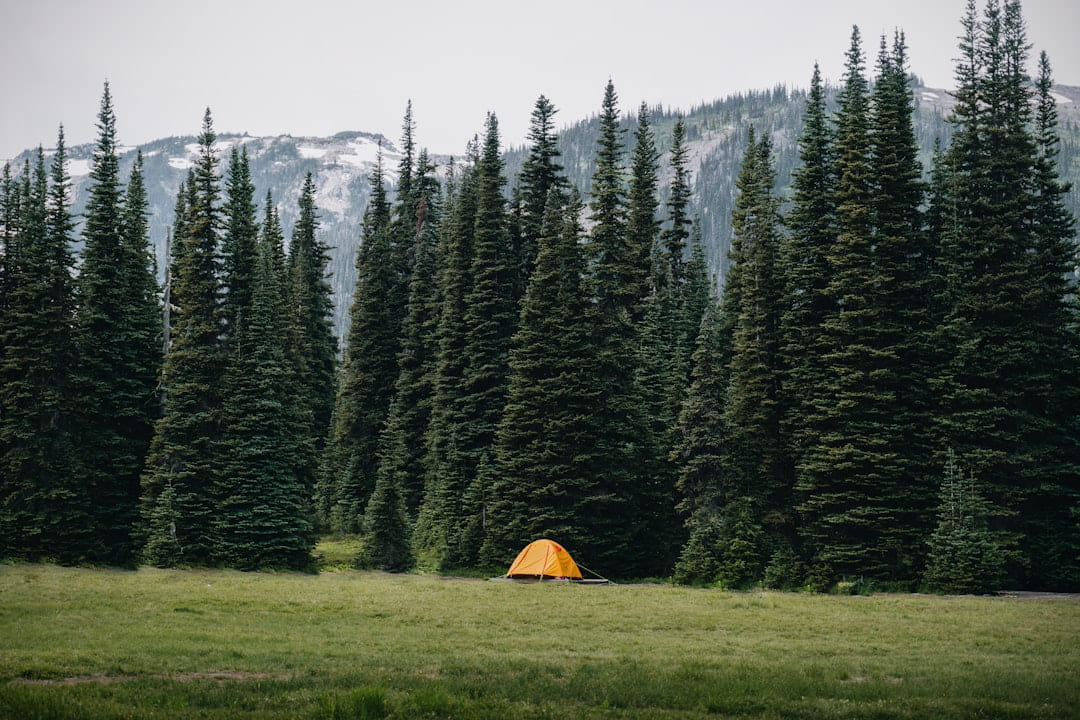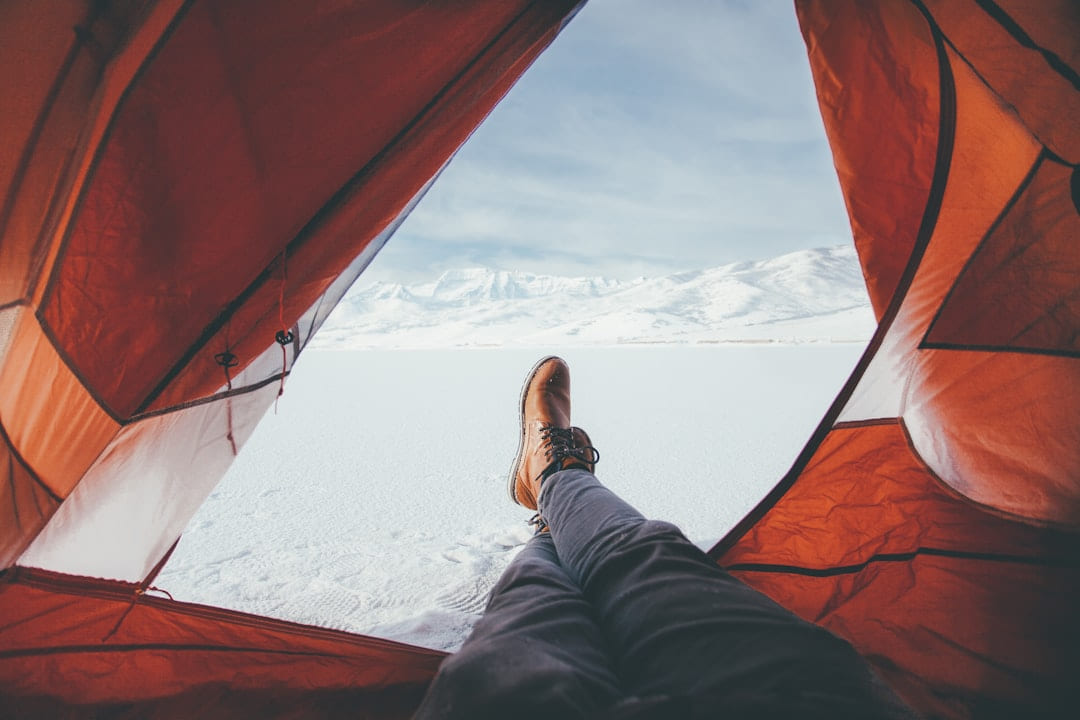
Hey there, fellow adventurers! Jennifer Talbot here, and if you’re anything like me, the idea of camping with kids can feel…well, a little daunting. Visions of tangled tents, spilled snacks, and epic meltdowns can quickly overshadow the beautiful images of starry nights and campfire stories. But let’s be honest, those memories - the good ones - are worth fighting for. And the amazing thing is, you don’t need a fortune to create them. Camping on a shoestring is absolutely possible, and it’s often more rewarding because it forces you to be creative, resourceful, and truly present with your family.
I’ve spent years navigating the wild world of family camping, and let me tell you, there have been some seriously chaotic moments. Spilled marshmallows, unexpected downpours, and the occasional toddler tantrum are practically guaranteed. But those mishaps? They’re also the stories we’ll laugh about for years to come. This blog is all about taking the pressure off and showing you how to build a fantastic camping experience without breaking the bank. It’s about embracing the imperfections and focusing on the connection - with each other and with nature.
Why Camping on a Shoestring Matters
Let’s be real, the cost of camping can add up quickly. Fancy gear, expensive campsites, and pre-packaged meals can quickly drain your budget. But camping doesn’t have to be exclusive to those with deep pockets. In fact, the limitations can actually force you to be more creative and resourceful. It’s a fantastic way to teach kids about budgeting, resourcefulness, and appreciating the simple things. Plus, it’s a wonderful way to disconnect from the digital world and reconnect with each other - and the natural world - in a truly meaningful way. Beyond the financial aspect, it’s about prioritizing experiences over possessions. A simple campsite under the stars is far more valuable than a luxurious cabin.
Start Small - Seriously Small
Don’t jump into a week-long backpacking trip with a five-year-old and a ten-year-old. That's a recipe for disaster (and a serious dent in your wallet). The first few camping trips should be short, close to home, and incredibly low-pressure. Think one night, maybe two at the most. A local campground, a state park, or even just a dispersed campsite on public land are all great options. The key is to minimize travel time and setup complexity. A 30-minute drive is a huge win! I started with just a tent, sleeping bags, and a cooler - and that’s all we needed for our first few adventures. Don’t feel like you need to buy everything new. Borrow from friends, check out consignment shops, or even consider renting gear if you're unsure about a particular item.
Gear Up - Smartly
Okay, let’s talk gear. You don’t need a brand-new, top-of-the-line tent. A basic dome tent will do just fine. Used gear is your best friend here. Facebook Marketplace, Craigslist, and local consignment shops are goldmines. Here’s a breakdown of essentials and budget-friendly alternatives:
- Tent: $50 - $150 (Used is fantastic!)
- Sleeping Bags: $30 - $80 (Again, used or consider layering blankets)
- Sleeping Pads: $20 - $50 (Foam pads are cheap and effective)
- Camp Chairs: $15 - $30 (Folding chairs are lightweight and easy to transport)
- Cooler: $30 - $75 (A simple cooler is essential for food and drinks)
- Lantern/Headlamp: $15 - $30 (Don’t underestimate the importance of good lighting!)
Don’t overspend on fancy gadgets. A basic camp stove, a pot and pan, and a few utensils are all you really need for cooking. And remember, you can always add to your gear collection as you gain experience and discover what you truly need.
Food - Simple is Best
Meal planning is crucial for budget camping. Pre-packaged meals are convenient, but they’re also expensive. Instead, focus on simple, easy-to-prepare meals that require minimal ingredients. Think hot dogs, hamburgers, foil packet dinners, pasta with sauce, and sandwiches. Packing snacks is also a must - granola bars, fruit, and trail mix are all great options. And don’t forget the marshmallows for s’mores! A little planning goes a long way in keeping food costs down and minimizing waste. Consider prepping some meals at home ahead of time to save time and effort at the campsite.
Activities - Embrace the Outdoors
You don’t need expensive entertainment to have a great time camping. The outdoors itself is the best entertainment! Hiking, exploring, building forts, collecting rocks, and telling stories around the campfire are all fantastic activities that don’t cost a dime. Bring a few simple games like cards or dice, and let the kids’ imaginations run wild. If you’re camping near water, consider swimming or fishing (make sure you have the necessary permits). Just remember to leave no trace - pack out everything you pack in and respect the environment.
Prepare for the Unexpected (Because It Will Happen!)
Let’s be honest, things will go wrong. The tent might leak, the rain might come, and the kids might get cranky. That’s just part of the adventure. The key is to be prepared for the unexpected and to be able to roll with the punches. Pack extra blankets, rain gear, and snacks. Bring a first-aid kit and know how to use it. And most importantly, remember to relax and have fun. A little bit of chaos is perfectly normal, and it can often lead to the most memorable moments.
Camping on a shoestring isn’t about sacrificing comfort or creating a luxurious experience. It’s about prioritizing connection, embracing simplicity, and creating lasting memories with your family. It’s about realizing that the best adventures are often the ones that are a little bit messy, a little bit challenging, and a whole lot of fun. So, what are you waiting for? Start planning your first budget camping trip today!
Start with what you will actually use
With Camping on a Shoestring: First Steps, the first question is usually not which option looks best on paper. It is which part will make day-to-day life easier, smoother, or cheaper once the novelty wears off.
A lot of options sound great until you picture them in a normal week. If the setup is fussy, the routine is easy to forget, or the maintenance is annoying, the appeal fades quickly.
There is also value in keeping one part of the process deliberately simple. Readers often do better when they identify the one decision that carries the most weight and make that choice carefully before they chase smaller optimizations. That keeps momentum steady and usually prevents the topic from turning into clutter.
What tends to get overlooked
Tradeoffs are normal here. Cost, convenience, upkeep, and flexibility do not always line up neatly, so it helps to decide which tradeoff matters least to you before you commit.
This usually gets easier once you make a short list of priorities. A tighter list tends to produce better decisions than trying to solve every possible problem at once.
Another useful filter is asking what you would still recommend if the budget got tighter, the schedule got busier, or the setup had to be easier for someone else to manage. The answers to that question usually reveal which advice is durable and which advice only works under ideal conditions.
Keep This Practical
The smartest outdoor decisions are usually practical ones. Choose the upgrade that makes the trip easier to cook through, sleep through, or pack for, and let the rest wait.