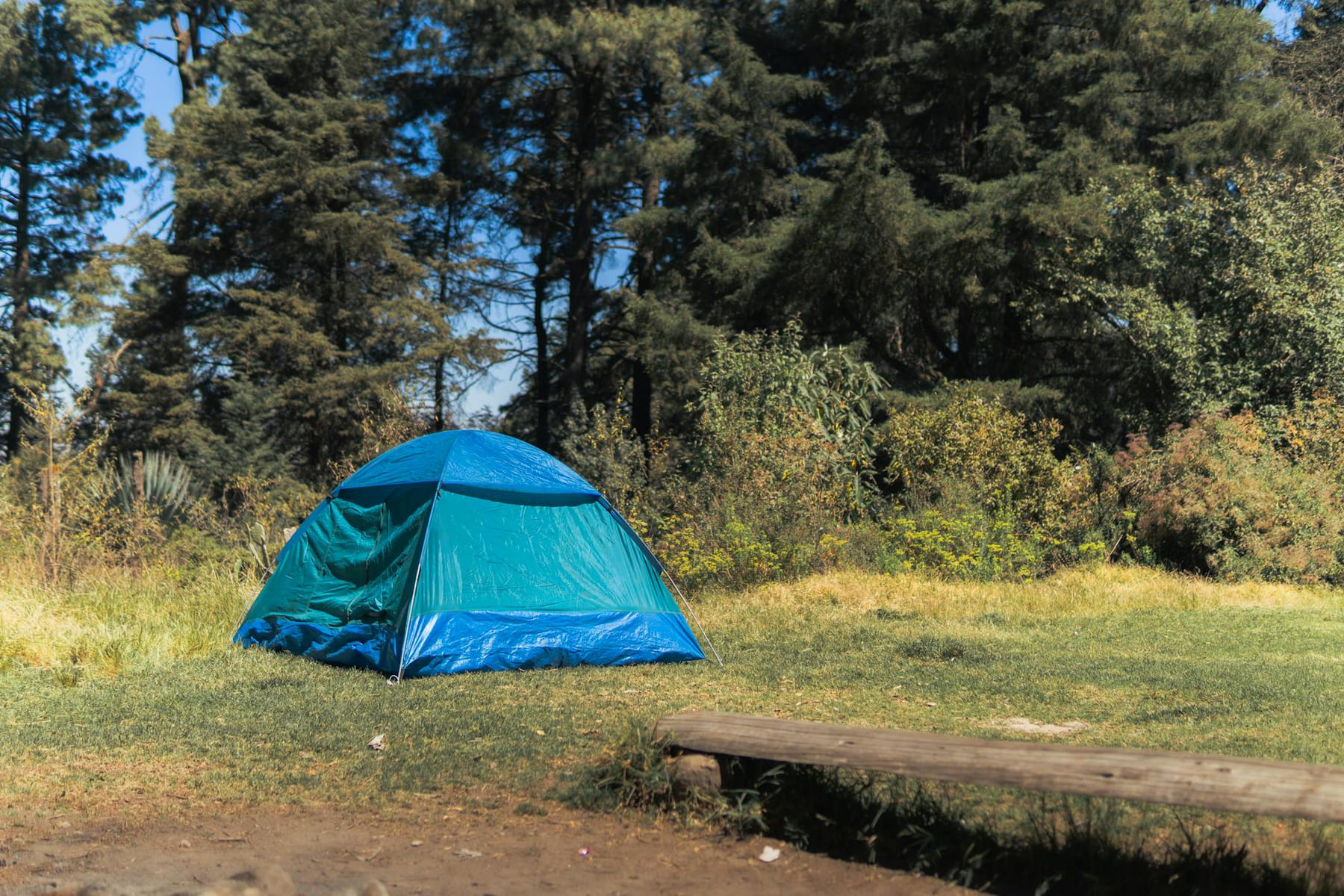
Camping on a Shoestring can be easier to approach when you start with a few practical basics.
- Plan Your Meals in Advance: Create a detailed meal plan for each day, including breakfast, lunch, and dinner.
- Prep Food at Home: Chop vegetables, marinate meats, and portion out ingredients before you leave. This saves time and reduces the need for expensive convenience foods at the campground.
- One-Pot Meals: Chili, stew, pasta dishes, and foil packet meals are all great options that require minimal cleanup.
- Bring Your Own Drinks: Buying bottled water or soda at the campground can be expensive. Fill up reusable water bottles at home.
- Campfire Cooking: If allowed, campfire cooking is a fun and inexpensive way to prepare meals.
Camping on a Shoestring can be easier to approach when you start with a few practical basics. Example: Instead of buying pre-made sandwiches, pack ingredients for peanut butter and jelly sandwiches. They’re cheaper and healthier!
1. Essential Skills & Preparation (Camping on a Shoestring)
Knowing a few basic camping skills will make your trip much more enjoyable and reduce the risk of problems.
- Tent Setup: Practice setting up your tent in your backyard before your trip. It’s much easier to do in a familiar environment.
- Fire Starting: Learn how to build a safe and effective campfire.
- Navigation: Familiarize yourself with map reading and compass skills (even if you’re using a GPS, it’s good to have a backup).
- Leave No Trace Principles: Understand and practice Leave No Trace principles - pack out everything you pack in, minimize campfire impacts, and respect wildlife.
2. Dispersed Camping: Freedom and Responsibility
Dispersed camping, or boondocking, offers incredible freedom and a deeper connection with nature. However, it comes with increased responsibility. Here’s what you need to know:
- Research Regulations: Check with the local Forest Service or BLM office to understand the rules and regulations for dispersed camping in the area.
- Choose a Designated Spot: Look for established campsites or areas with durable surfaces to minimize impact.
- Pack Out Everything: Absolutely everything - trash, toilet paper, food scraps, etc.
- Proper Waste Disposal: Dig a cathole for human waste (6-8 inches deep and at least 200 feet from water sources).
- Be Fire Safe: If you’re having a campfire, clear a 10-foot radius around the fire pit and keep water and a shovel nearby.
3. Safety First - Always
Camping should be fun, but safety is paramount.
- First-Aid Kit: A well-stocked first-aid kit is essential.
- Weather Awareness: Check the weather forecast before you go and be prepared for changing conditions.
- Tell Someone Your Plans: Let someone know where you’re going and when you expect to be back.
- Wildlife Awareness: Learn about the wildlife in the area and take precautions to avoid encounters. Store food properly to prevent attracting animals.
Budget camping for beginners is all about prioritizing experiences over luxury. By following these best practices, you can create lasting memories without breaking the bank. Get out there, explore, and enjoy the beauty of the great outdoors!
Focus on the part that solves the problem
In a topic like Budget Camping, the strongest starting point is usually the one you will notice and use right away. That is often more helpful than adding extra features too early.
Before spending more, it is worth checking the setup, upkeep, and learning curve. Small hassles matter here because they are usually what decide whether something stays useful or gets ignored.
It is easy to underestimate how much clarity comes from removing one unnecessary layer. In practice, trimming one complication often does more for Camping on a Shoestring: Starter Tips than adding one more feature, one more product, or one more clever workaround.
Where extra features get in the way
Another easy trap is copying a setup that made sense for someone with a different routine, budget, or tolerance for maintenance. In Budget Camping, that mismatch is often what makes a promising idea feel frustrating later.
A lot of options sound great until you picture them in a normal week. If the setup is fussy, the routine is easy to forget, or the maintenance is annoying, the appeal fades quickly.
There is also value in keeping one part of the process deliberately simple. Readers often do better when they identify the one decision that carries the most weight and make that choice carefully before they chase smaller optimizations. That keeps momentum steady and usually prevents the topic from turning into clutter.
What makes the choice hold up
A better approach is to break Camping on a Shoestring: Starter Tips into smaller decisions and solve the highest-friction part first. Testing one practical change usually teaches more than trying to perfect everything in a single pass.
Leave a little room to adjust as you go. A setup that works in one budget range, season, or routine might need a small change later, and that is usually normal rather than a sign you got it wrong.
If this topic still feels crowded or overcomplicated, that is usually a sign to narrow the decision, not a sign that you need more noise. One careful adjustment, followed by honest observation, tends to teach more than another round of abstract tips.
How to keep the routine manageable
A grounded next step is usually better than a dramatic one. Pick one realistic change, see how it works in normal life, and let that result guide the next decision.
The version that holds up best is usually the one you can live with on an ordinary day. That often matters more than the version that only feels good when you have extra time, energy, or money.
That is why the best next step is often a modest one with a clear upside. You want something specific enough to act on, flexible enough to adjust, and practical enough that you would still recommend it after the first burst of enthusiasm fades.
What matters more than the sales pitch
Another useful filter is asking what you would still recommend if the budget got tighter, the schedule got busier, or the setup had to be easier for someone else to manage. The answers to that question usually reveal which advice is durable and which advice only works under ideal conditions.
If you want Camping on a Shoestring: Starter Tips to hold up over time, choose the version you can actually maintain. That can mean spending less, leaving out an attractive extra, or simplifying the setup so it fits ordinary life.
You do not need the flashiest answer here. You need the one that fits your space, budget, and routine well enough that you will still feel good about it after the first week.
A practical way to move forward
Readers usually get better results when they treat advice as something to test and refine, not something to obey perfectly. That mindset creates room for real judgment, which is often the difference between content that sounds smart and guidance that is actually useful.
When you are deciding what to do next, aim for the option that reduces friction and gives you a clearer read on what matters most. That is usually how Camping on a Shoestring: Starter Tips becomes more useful instead of more complicated.
In a topic like Budget Camping, manageable almost always beats impressive. If something is simple enough to keep using, it is usually doing more real work for you.
Keep This Practical
Camping gets better when the next gear or planning choice removes stress instead of adding more to manage. Start with the part of the trip that most affects comfort, setup, or cost.
Tools Worth A Look
If you are trying to keep outdoor trips affordable without making them harder, the recommendations below are the closest fit.
- CAMEL CROWN Tents for Camping 2/3/4/5 Person Camping Dome TentThe Camping Logbook (Camping Journal): Record Your AdventuresFire-Maple "Fixed Star 1" Backpacking and Camping Stove System - Outdoor Propane Cooking Gear - Portable Pot2 Person Outdoors Camping Tent with Rain Fly and Carrying BagWeekend Camping Cookbook: Over 100 Delicious Recipes for Campfire and Grilling
Some of the links on this page are Amazon affiliate links, which means I may earn a small commission if you make a purchase through them. As an Amazon Associate, I earn from qualifying purchases.
Related ReadingMore from The Frugal Camper
Camping on a Dime: Simple Ideas
Your Step-by-Step Budget Camping Guide: Adventure Doesn't Have to Break the Bank (Camping on a Dime) By Jennifer Talbot - The Frugal Camper April 13, 20...
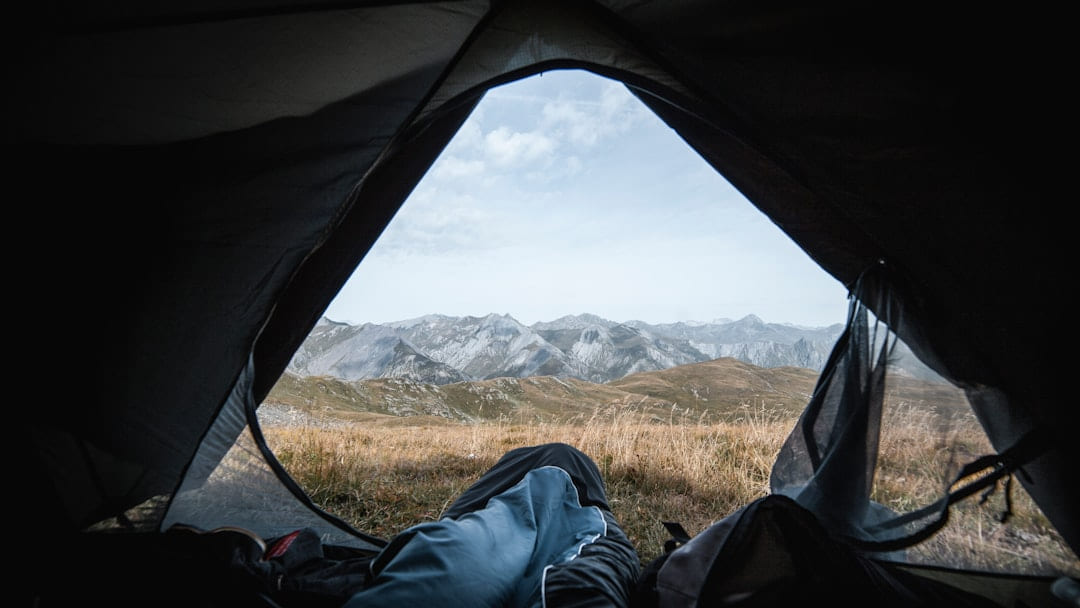
Camping on a Budget: First-Timer Fixes
for Beginners: Troubleshooting Common Problems on a Budget can be easier to approach when you start with a few practical basics. So, you’re bitten by the camping...
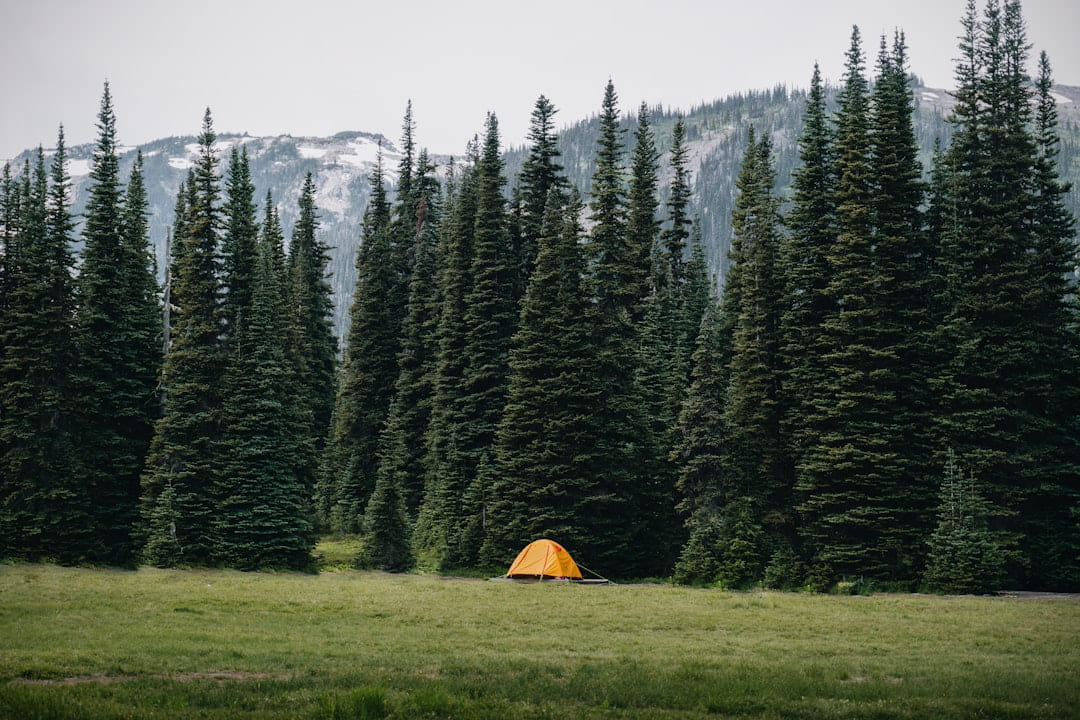
Camping on a Dime: Your Grocery List
Your Ultimate Budget Camping Grocery List Camping doesn’t have to break the bank. In fact, with a little planning and a smart grocery list, you can enjoy.