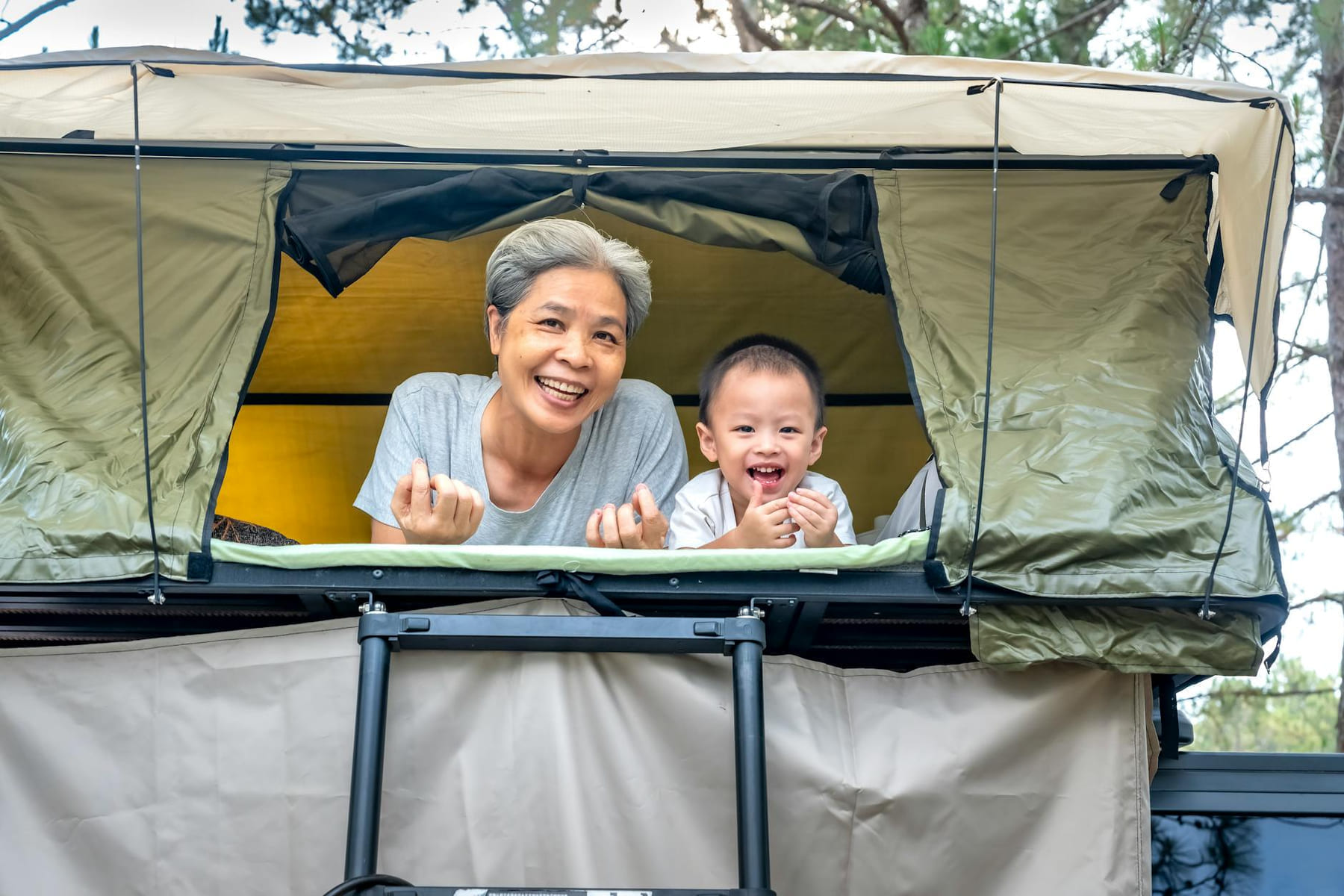
Smart Savings on the Road can be easier to approach when you start with a few practical basics. Retirement - it’s a dream for many, a chance to finally pursue passions, travel, and spend quality time with loved ones. But the cost of travel can quickly eat into those hard-earned savings. That's where budget camping comes in. It’s not about roughing it entirely; it’s about embracing a simpler, more affordable way to explore the great outdoors. And for retirees, it’s a fantastic way to stay active, connected, and experience the world without breaking the bank. This guide will walk you through everything you need to know to start your budget camping journey, focusing specifically on the unique considerations and advantages for those enjoying their golden years.
Why Budget Camping is Perfect for Retirees (Smart Savings on the Road)
Let’s be honest, many retirees are looking for ways to stretch their budgets. Camping offers a dramatically lower cost of travel compared to hotels, resorts, or even renting a vacation home. Beyond the financial benefits, it provides a wealth of other advantages specifically appealing to retirees:
- Health & Wellness: Regular outdoor activity is incredibly beneficial for physical and mental health. Hiking, walking, and even just sitting outdoors can reduce stress, improve sleep, and boost overall well-being.
- Social Connection: Camping is a fantastic way to meet new people. Whether you join organized campground activities or simply chat with fellow campers, it’s a great way to combat isolation and build friendships.
- Flexibility & Freedom: Unlike fixed-location vacations, camping offers incredible flexibility. You can change your plans on a whim, explore new areas, and truly immerse yourself in the local environment.
- Connection with Nature: For many retirees, reconnecting with nature is a key part of enjoying their retirement. It’s a chance to slow down, appreciate the beauty around you, and find peace.
Getting Started: Essential Gear & Budget Considerations
The biggest hurdle for many potential campers is the perceived cost of gear. However, you don’t need to buy everything brand new. Used gear is your best friend! Here’s a breakdown of essential items and how to keep costs down:
Must-Have Gear (Budget-Friendly Options)
- Tent: A basic dome tent for two people can be found used for $50-$150. Consider a larger tent if you plan on camping with a spouse or friend.
- Sleeping Bags: Again, used sleeping bags are plentiful and affordable ($30-$80). Pay attention to temperature ratings - choose one appropriate for the climates you’ll be camping in.
- Sleeping Pads: Inflatable or foam sleeping pads add comfort and insulation. Look for sales or consider a simple foam pad ($20-$50).
- Camp Chairs: Folding camp chairs are essential for relaxing around the campfire. ($20-$40)
- Camp Stove & Fuel: A small propane or butane stove is relatively inexpensive ($30-$60) and makes cooking outdoors much easier.
- Lantern/Headlamp: For navigating the campsite at night. ($15-$30)
- Cooler: A good cooler is crucial for keeping food and drinks cold. ($30-$70 - consider borrowing one initially)
Beyond the Basics: Smart Spending
Here are some strategies for minimizing gear costs:
- Buy Used: Craigslist, Facebook Marketplace, REI Used Gear, and local consignment shops are goldmines for affordable camping equipment.
- Borrow from Friends & Family: Don't be afraid to ask! Many people have camping gear they’re happy to lend.
- Start Small: You don’t need a massive setup for your first few trips. Focus on the essentials and gradually add more gear as you gain experience.
- DIY Projects: Learn basic sewing skills to repair tents or make simple camp accessories.
Choosing Your Campsites: Finding Affordable Options
Campground fees can vary dramatically, so finding affordable options is key. Here are some strategies:
- National Forests & BLM Land: These areas often offer free or very low-cost dispersed camping (camping outside of designated campgrounds). Research regulations carefully before heading out.
- State Parks: State parks typically have lower fees than national parks and offer a wide range of amenities.
- Private Campgrounds: Look for campgrounds that offer discounts for seniors or longer stays.
- Boondocking (Dry Camping): This involves camping without hookups (water, electricity, sewer). It’s a great way to save money and connect with nature.
- Consider Shoulder Seasons: Camping during the spring or fall often comes with lower rates and fewer crowds.
Camp Cooking for Retirees: Simple & Delicious
Cooking outdoors doesn’t have to be complicated. Here are some easy and budget-friendly meal ideas:
- Foil Packet Meals: Chop vegetables, add protein (chicken, sausage, or fish), and seasonings, then wrap in foil and cook over the campfire.
- One-Pot Meals: Chili, stew, and pasta dishes are easy to prepare in a single pot.
- Campfire Pizza: Use tortillas as the crust and top with your favorite ingredients.
- Breakfast Burritos: Scrambled eggs, sausage, and cheese wrapped in tortillas - a perfect start to the day.
Safety & Considerations for Retirees
While camping is generally safe, it’s important to be aware of potential risks and take precautions:
- Hydration: Drink plenty of water, especially in hot weather.
- Sun Protection: Wear sunscreen, hats, and sunglasses.
- First Aid Kit: Carry a well-stocked first aid kit and know how to use it.
- Wildlife Awareness: Be aware of the local wildlife and take steps to avoid encounters. Store food properly to prevent attracting animals.
- Physical Limitations: Be realistic about your physical abilities and choose campsites and activities that are appropriate for your fitness level. Don’t overexert yourself.
- Inform Someone of Your Plans: Always let someone know where you’re going and when you expect to be back.
Beyond the Basics: Expanding Your Camping Horizons
Once you’ve mastered the basics, consider exploring more advanced camping techniques, such as backpacking, canoe camping, or winter camping. These activities can provide even greater challenges and rewards. Joining a local camping club or organization can also be a great way to learn new skills and meet like-minded individuals. For example, many senior centers offer introductory camping workshops. Don’t be afraid to step outside your comfort zone and discover the joy of exploring the great outdoors - it’s a fantastic way to embrace retirement and create lasting memories.
Keep This Practical
Camping gets better when the next gear or planning choice removes stress instead of adding more to manage. Start with the part of the trip that most affects comfort, setup, or cost.
Tools Worth A Look
If you are trying to keep outdoor trips affordable without making them harder, the recommendations below are the closest fit.
- THTYBROS 17pcs Camping Cookware Kit, 0.45Gal Pot, 7inches Pan,0.30Gal Kettle Set with 2 Set Stainless Steel Cups Plates Forks Knives Spoons for HikingCamp for Free: Dispersed Camping and Boondocking on America’s Public LandsField & Stream Skills Guide: CampingWhere Should We Camp Next?: Budget Camping: A 50-State Guide to Budget-Friendly Campgrounds and Free and Low-Cost Outdoor ActivitiesSleeping Bags To S'mores: Camping Basics
Some of the links on this page are Amazon affiliate links, which means I may earn a small commission if you make a purchase through them. As an Amazon Associate, I earn from qualifying purchases.
Related ReadingMore from The Frugal Camper
Camping on a Dime: Simple Ideas
Your Step-by-Step Budget Camping Guide: Adventure Doesn't Have to Break the Bank (Camping on a Dime) By Jennifer Talbot - The Frugal Camper April 13, 20...
Camping on a Budget: First-Timer Fixes
for Beginners: Troubleshooting Common Problems on a Budget can be easier to approach when you start with a few practical basics. So, you’re bitten by the camping...
Camping on a Dime: Your Grocery List
Your Ultimate Budget Camping Grocery List Camping doesn’t have to break the bank. In fact, with a little planning and a smart grocery list, you can enjoy.