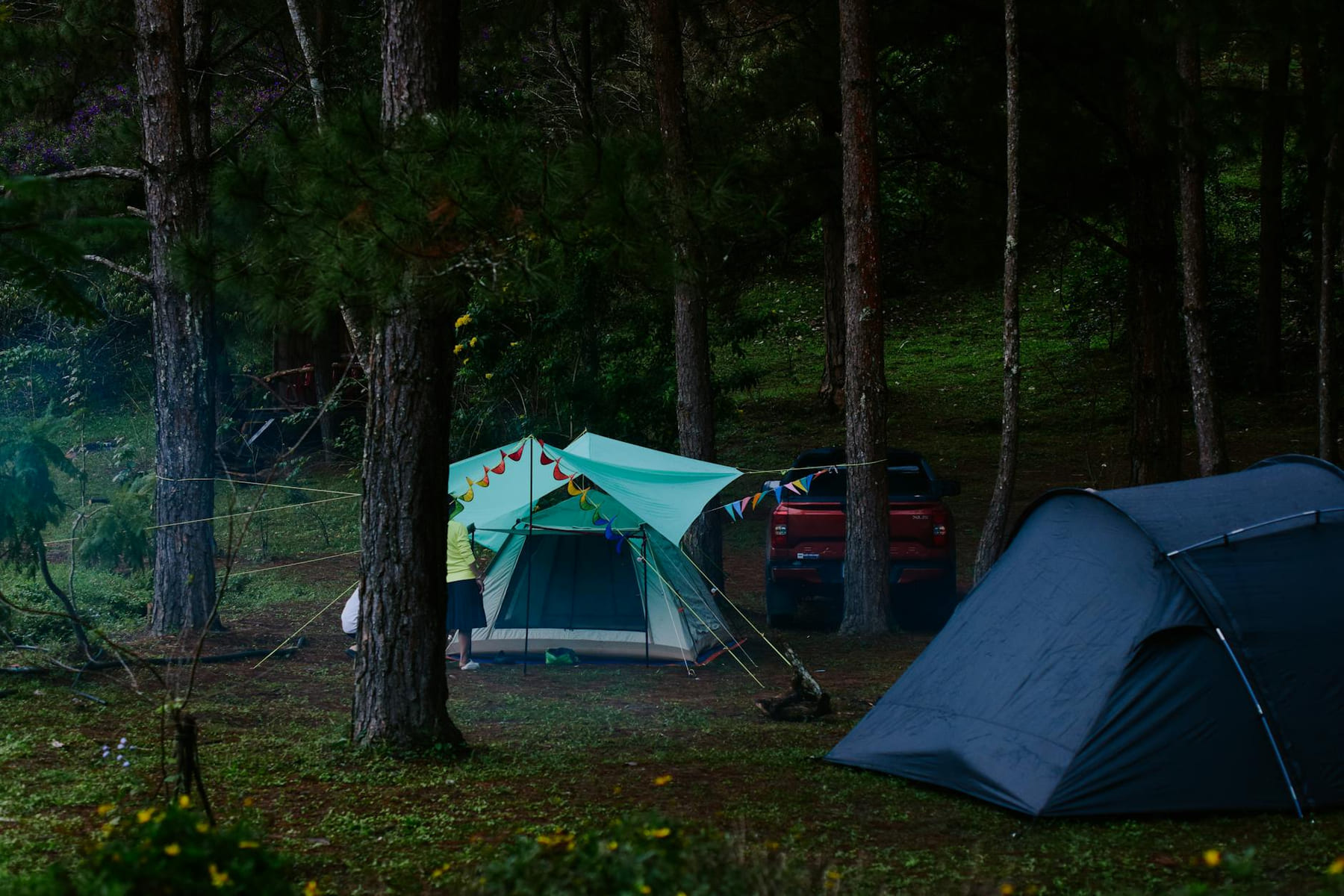
for Your can be easier to approach when you start with a few practical basics.
|---------------------|--------------------------|-------------------------------------| | Campsite Fees | $75 - $175 | Varies dramatically based on location, amenities, and time of year. | | Gas | $50 - $100 | Assuming a 200-400 mile roundtrip, and an average gas price of $3.00 per gallon. This can fluctuate significantly. | | Food | $75 - $125 | Prioritizing budget-friendly meal planning, bulk buying, and cooking at the campsite. | | Activities | $0 - $50 | Leveraging free outdoor activities like hiking, swimming, wildlife viewing, and stargazing, with occasional small entrance fees for attractions. | | Total (Estimated) | $200 - $450 | This is a broad estimate and can be adjusted based on your choices and travel style. | * Campsite Fees: State parks and national forests typically offer more affordable options than private campgrounds. Primitive campsites (no hookups) will be significantly less expensive, often costing as little as $10-$30 per night.- Gas: Fuel costs are heavily dependent on your vehicle’s fuel efficiency (miles per gallon), the distance traveled, and current gas prices.
- Food: Careful meal planning and packing your own food are crucial for minimizing expenses. Simple, inexpensive meals like sandwiches, pasta, chili, and oatmeal are easy to prepare at the campsite.
- Activities: Many of the most rewarding camping experiences are completely free - hiking, swimming, wildlife viewing, exploring nature trails, and enjoying the sunset. |
Camping Styles & Strategies: Finding the Right Fit for Your Budget
Not all camping is created equal. The style you choose dramatically impacts your budget. Let’s break down some popular options:
- Car Camping: This is by far the most common and generally easiest style for beginners. You park your car directly at your campsite, providing convenient access to your gear. While comfortable and convenient, car camping can be more expensive due to campsite fees, which can range from $20 to $60 per night, depending on the location and amenities. It’s a good starting point for those new to camping.
- Dispersed Camping (Boondocking): This involves camping on public lands - typically Bureau of Land Management (BLM) or National Forest land - without established facilities like restrooms or picnic tables. It’s *free* (though you may need a permit, check local regulations!), offering the most budget-friendly option. However, it requires significant self-sufficiency. You’ll need to bring your own water, manage your waste responsibly (pack it in, pack it out!), and often, gather your own firewood (check for local restrictions). This style demands more preparation and a willingness to embrace a more rustic experience.
- Backpacking: This involves carrying all your gear on your back and camping in remote areas. While incredibly rewarding for the adventurous, backpacking is generally the *most* expensive due to the cost of specialized gear - a lightweight tent, backpacking stove, sleeping bag, and backpack. To maximize your budget, dispersed camping is your best bet, as long as you’re prepared for a more rugged and minimalist experience. Resources like the Bureau of Land Management (BLM) website () are invaluable for finding dispersed camping areas. Don’t forget to research trail conditions and potential hazards before heading out.
- Hybrid Camping: Combining elements of different styles can be a great way to tailor your trip to your budget. For example, you could car camp for a few nights and then transition to dispersed camping for a more secluded experience.
Gear & Food: Keeping Costs Down on the Trail
You don’t need to spend a fortune to enjoy camping. Smart choices in gear and food can significantly reduce your expenses.
- Essential Gear: A good tent, sleeping bag, camp stove, headlamp, and basic cooking utensils are essential. You can often find these items at garage sales, used gear shops (REI Used Gear is a fantastic resource!), or during seasonal sales. Investing in quality, durable gear will ultimately save you money in the long run.
- Discounted Gear: Keep an eye out for sales at outdoor retailers like REI, sporting goods stores (like Dick’s Sporting Goods), and online marketplaces. Websites like Craigslist and Facebook Marketplace are excellent places to find used gear in good condition. Don't be afraid to haggle!
- Meal Prep is Key: Packing your own food is *the* biggest factor in controlling your camping food costs. Simple recipes like foil packet dinners (vegetables, sausage, and potatoes cooked in foil over the campfire), campfire chili, trail mix, and oatmeal are easy to prepare and won’t break the bank. Consider buying ingredients in bulk - rice, beans, pasta, and spices are all inexpensive staples. Dehydrated meals can be a convenient option for backpacking trips, though they tend to be more expensive upfront.
- Campfire Cooking: Mastering campfire cooking is a valuable skill. It’s a fun and inexpensive way to prepare meals. Learn how to build a good fire and use it safely.
- Limit Processed Foods: Pre-packaged snacks and meals are convenient but expensive. Opt for whole, unprocessed foods whenever possible.
Logistics & Safety: Planning for a Smooth Trip
Thorough planning and prioritizing safety are crucial for a successful and affordable budget camping trip.
- Reservations: Many popular campgrounds, especially in national parks and during peak season, require reservations. Recreation.gov () is the primary website for booking campsites in many national parks and forests. Book well in advance, especially if you’re traveling during a busy time.
- Transportation: Plan your route carefully and factor in gas prices. Drive efficiently to conserve fuel - avoid speeding and unnecessary acceleration. Consider carpooling with friends or family to share the cost of gas.
- Permits & Fees: Research any required permits for camping, fishing, or hiking in your chosen area. Some areas may have day-use fees or entrance fees to the park.
- Safety First: Always let someone know your plans, including your route, campsite location, and expected return time. Carry a well-stocked first-aid kit and know how to use it. Be aware of wildlife in the area and take appropriate precautions (store food properly to avoid attracting animals). Practice Leave No Trace principles - pack out everything you pack in, minimize campfire impacts, and respect wildlife.
- Weather Preparedness: Check the weather forecast before you go and pack accordingly. Be prepared for unexpected changes in weather conditions.
- Communication: Cell service can be unreliable in many remote areas. Consider bringing a satellite communication device or personal locator beacon (PLB) for emergencies.
Budget-Friendly Destination Ideas (2026 and Beyond)
Here are a few examples of budget-friendly camping destinations, keeping in mind that prices and availability can change:
- National Forests (Various Locations): The vast National Forests across the US offer incredible dispersed camping opportunities. The White Mountains National Forest in New Hampshire, the Angeles National Forest in California, and the Deschutes National Forest in Oregon are all popular choices.
- Bureau of Land Management (BLM) Lands (Western US): BLM lands provide free dispersed camping in many western states. Nevada, Utah, and Arizona are particularly rich in BLM land.
- State Parks (Varying Prices): State parks often offer more affordable camping than private campgrounds. Check your state's park website for information on fees and reservations. Consider camping in less-visited state parks to avoid crowds and potentially lower prices.
- County Parks (Often Underestimated): Don’t overlook county parks! They frequently offer budget-friendly camping options and access to outdoor recreation.
- Texas State Parks: Texas offers an abundance of state parks with relatively low camping fees, especially compared to other states.
Your Adventure Awaits
Budget camping doesn’t mean sacrificing the beauty and tranquility of the outdoors. With a little planning, resourcefulness, and a willingness to embrace a more rustic experience, you can unlock incredible adventures without emptying your wallet. Start researching those destinations, check for permit requirements, and get ready to hit the trail!
Keep This Practical
A frugal trip still works best when the essentials are solid. Focus on the gear or habit that improves safety and comfort first, then build the fun extras around that.
Tools Worth A Look
These picks are most useful if you want camping gear or trip supports that improve comfort, value, or setup simplicity.
- Field & Stream Skills Guide: Campingcamppal 1 Person Tent for Camping Hiking Mountain Hunting Backpacking Tents 4 Season Resistance to Windproof Rainproof and WaterproofaiGear Camping Cooking Set Cookware Mess Kit with Storage Bag Pot Pan and Teapot Set Camping Accessories for Outdoor Camping Hiking Picnic PortableNaturehike GreenWild Camping Cot, Ultralight Folding Backpacking Cot, Supports 330lbs, Portable Camping Bed for Adults for Camping Hiking Travel Home, Black
Some of the links on this page are Amazon affiliate links, which means I may earn a small commission if you make a purchase through them. As an Amazon Associate, I earn from qualifying purchases.
Related ReadingMore from The Frugal Camper
Camping on a Dime: Your FAQs Answered
Camping on can be easier to approach when you start with a few practical basics. * Saturday Breakfast: Oatmeal with dried fruit and nuts. * Saturday Lunch.
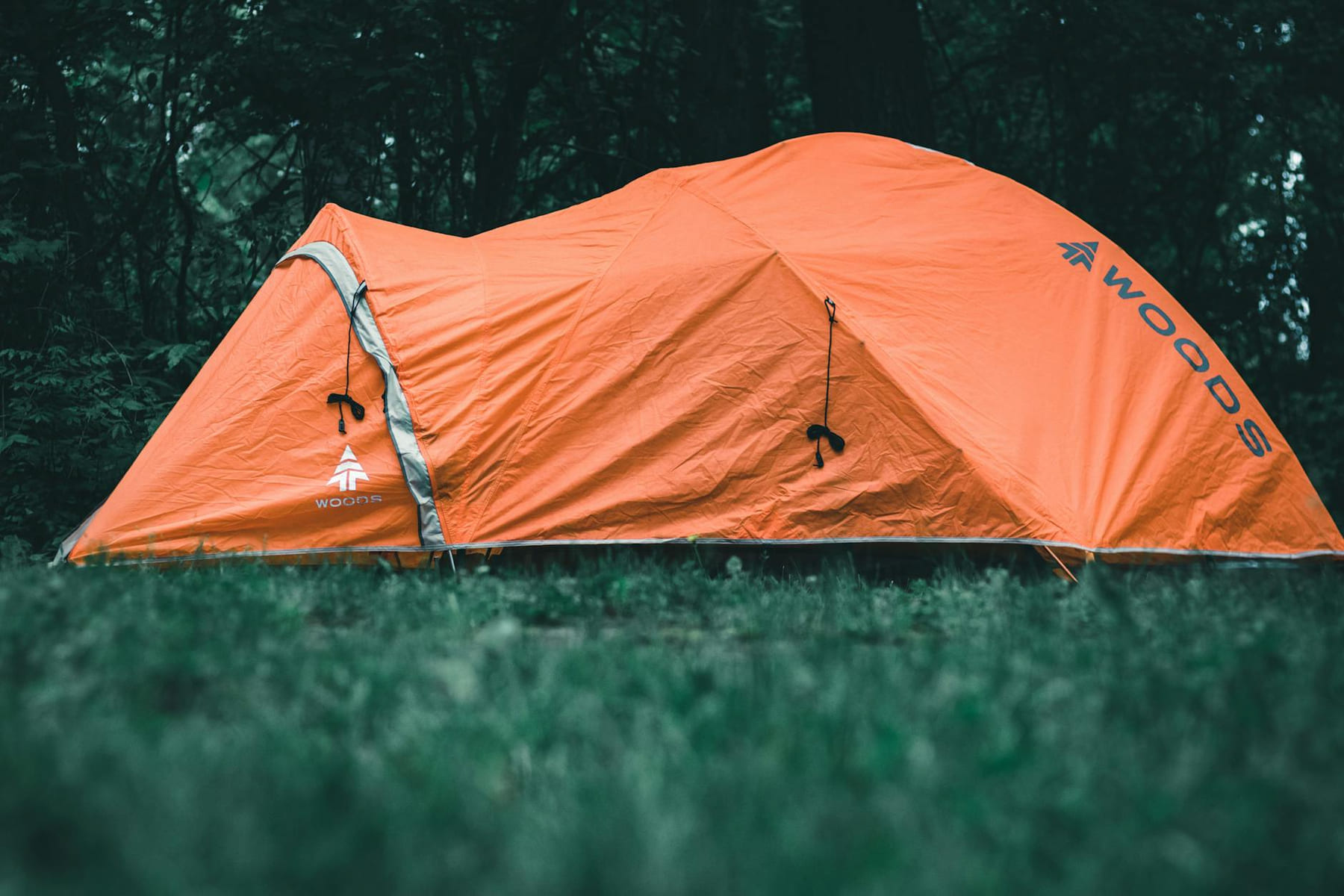
Camping on a Dime: Gear Finds
A more practical look at budget camping gear finds so you can choose affordable pieces that actually hold up and make the trip easier.
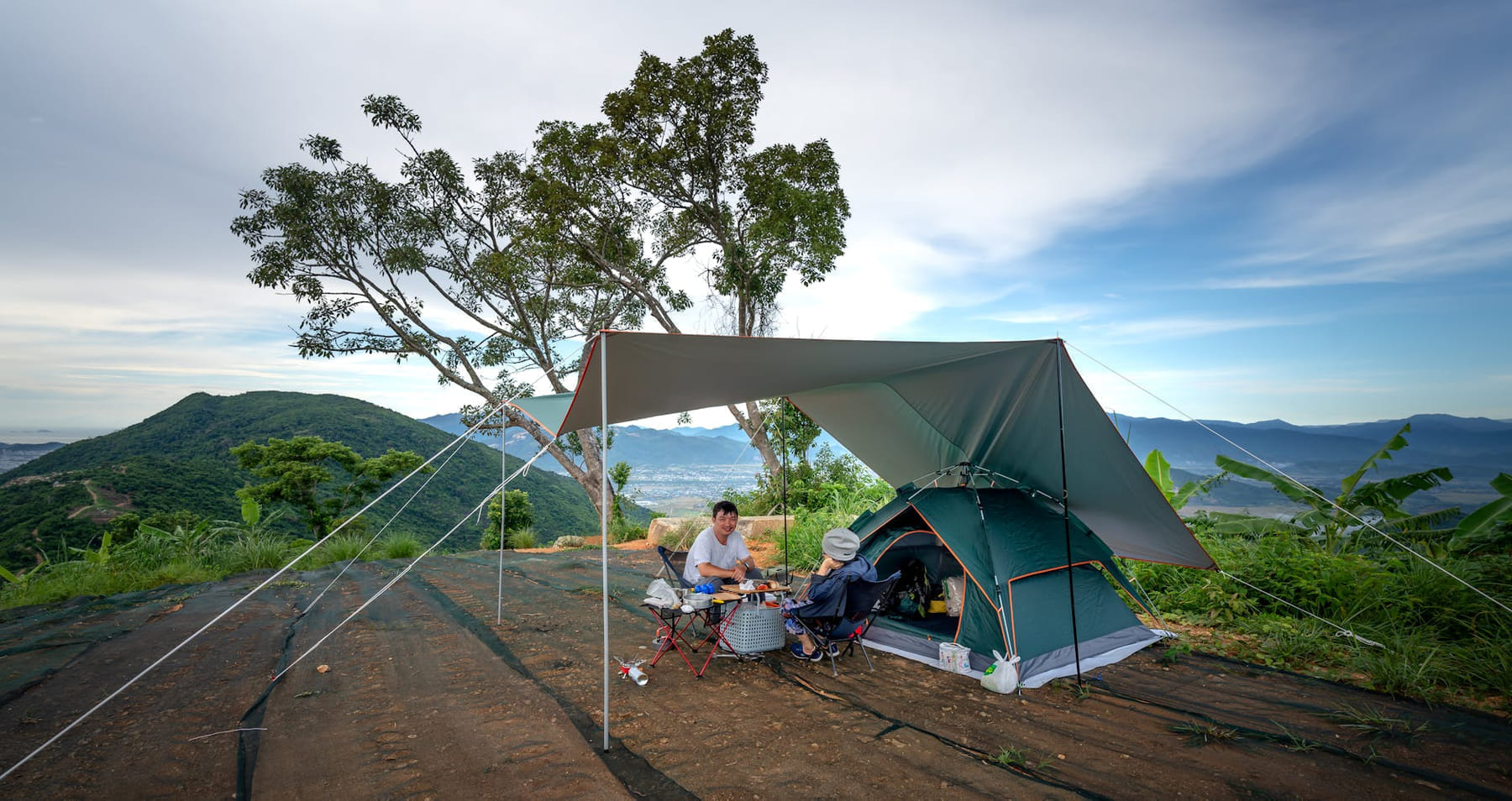
Smart Camping: Budget Tips That Work
Budget Tips That Work can be easier to approach when you start with a few practical basics.