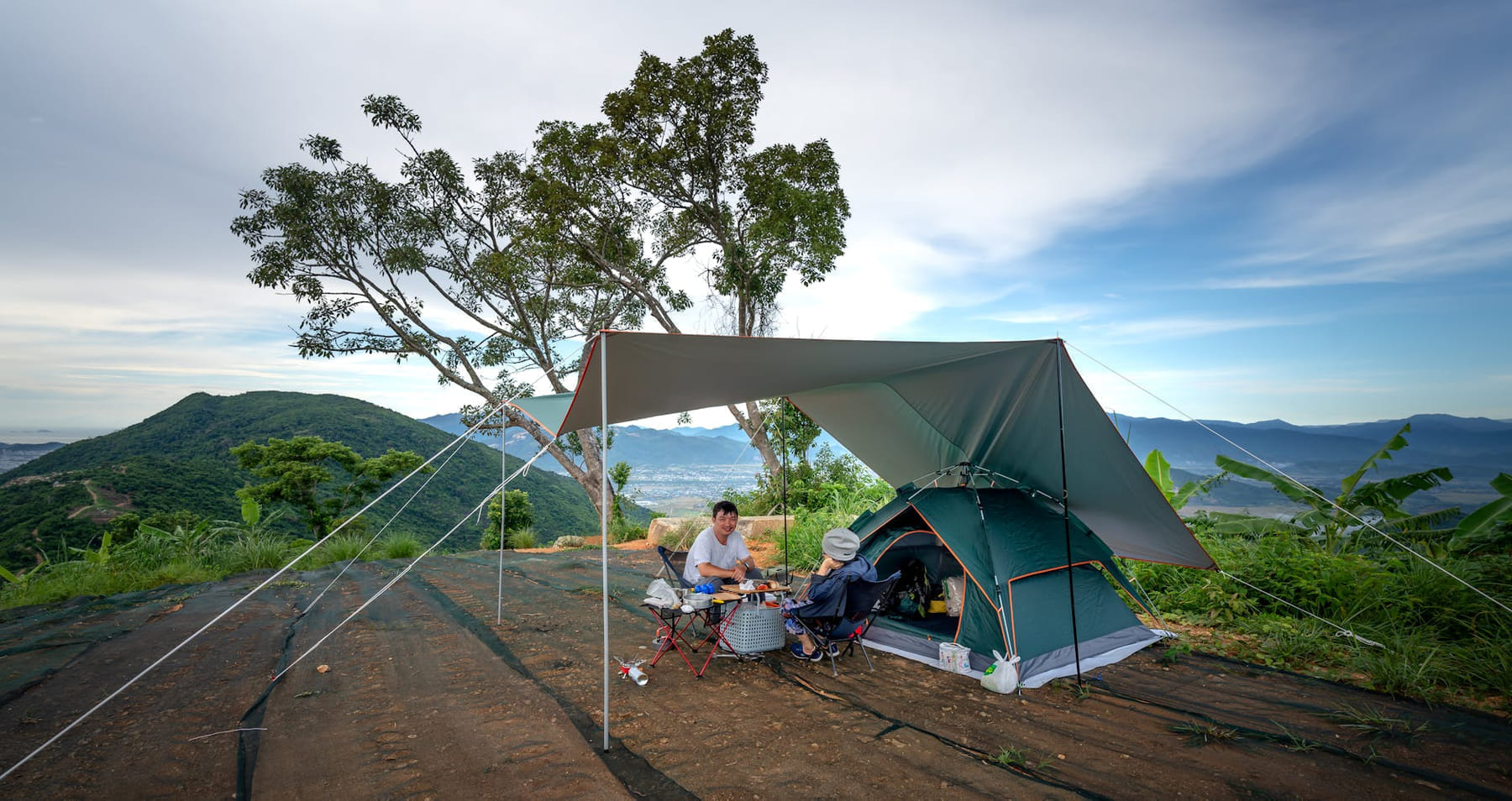
Budget Tips That Work can be easier to approach when you start with a few practical basics.
- Location, Location, Location: National Forests and Bureau of Land Management (BLM) land often offer free or very low-cost dispersed camping. State parks and national parks are great too, but usually come with entrance fees. Research free camping options in your area - apps like Freecampsites.net and Campendium are invaluable. Consider shoulder seasons (spring and fall) for fewer crowds and potentially lower rates.
- Trip Length: A shorter trip means less food, fewer fuel costs, and less wear and tear on your gear. Start with a weekend trip to get comfortable with your budget and then gradually increase the duration as you gain confidence.
- Meal Planning: This is where a *huge* amount of money can be saved. Forget restaurant meals! Plan every single meal and snack. Focus on simple, one-pot meals that require minimal ingredients and cleanup. We’ll delve deeper into food strategies later.
- Gear Assessment: Before buying anything new, take stock of what you already own. Do you have a tent? Sleeping bags? Cooking equipment? Borrowing from friends or family is a fantastic option. Consider renting gear if you only need it occasionally.
1. Food on a Budget: Fueling Your Adventure Affordably (Budget Tips That Work)
Budget Tips That Work can be easier to approach when you start with a few practical basics. Food costs can quickly spiral out of control. Here’s how to keep your kitchen expenses low:
- Bulk Buying: Rice, beans, pasta, oats - these staples are incredibly cheap when purchased in bulk.
- Simple Recipes: Think chili, foil packet meals, campfire stew, breakfast burritos. Recipes with fewer ingredients are easier and cheaper.
- Pack Your Own Snacks: Trail mix, granola bars, fruit, and veggies are far more economical than buying them at the campground store.
- Limit Meat: Meat is almost always the most expensive component of a meal. Reduce your meat consumption and supplement with beans, lentils, and vegetables.
- Water is Key: Don’t underestimate the cost of buying bottled water. Bring a large water jug and a water filter or purification tablets.
Example: A weekend camping trip for two could cost around $75-$125 for food, depending on your choices. That’s a significant difference compared to spending $200 or more at a campground store!
2. Gear Up Smart: Investing in Essentials, Not Luxuries
You don’t need the fanciest, most expensive camping gear to have a good time. Focus on essential items and prioritize quality over brand name. Here's a breakdown:
- Tent: A basic, waterproof tent is crucial. Look for sales and consider used options.
- Sleeping Bag & Pad: A comfortable night’s sleep is essential. A sleeping bag rated for the expected temperatures and a foam sleeping pad are key investments.
- Cooking System: A simple camp stove and pot are sufficient.
- Headlamp or Flashlight: Essential for navigating in the dark.
- First-Aid Kit: A well-stocked first-aid kit is non-negotiable.
Pro Tip: Check out Facebook Marketplace and Craigslist for used camping gear. You can often find high-quality equipment at a fraction of the retail price.
3. Campfire Cooking & Minimalist Cooking
Embrace the campfire! Cooking over an open flame is a quintessential camping experience and a fantastic way to save on fuel. However, even when you’re cooking over a fire, keep it simple.
- Foil Packet Meals: Chop veggies, add protein and seasonings, and wrap in foil for easy cooking.
- Dutch Oven Cooking: A Dutch oven is incredibly versatile for campfire cooking - think stews, cobblers, and even bread.
- Campfire Skewers: Thread vegetables and protein onto skewers and cook over the coals.
- Minimize Utensils: Bring a few basic utensils - a spatula, spoon, and knife. Don’t bring a full-sized kitchen set.
4. Leave No Trace: Responsible Camping Practices
Budget camping shouldn’t come at the expense of environmental responsibility. Practicing Leave No Trace principles ensures that our wild spaces remain beautiful for generations to come. This includes:
- Pack it in, pack it out: Take all your trash with you.
- Minimize campfire impacts: Use existing fire rings and keep fires small.
- Respect wildlife: Observe animals from a distance and never feed them.
- Stay on trails: Avoid trampling vegetation.
5. Beyond the Basics: Creative Budget Hacks
Let's add a few extra tips to really maximize your savings:
- Free Activities: Hiking, swimming, wildlife viewing, stargazing - many of the best camping activities are free!
- Borrow or Swap Gear: Organize a gear swap with friends or family.
- Camp Close to Home: Reduce transportation costs by camping closer to home.
- Utilize Free Campground Amenities: Many campgrounds offer free Wi-Fi, restrooms, and picnic tables.
- Consider Carpooling: Share the driving and gas costs with fellow campers.
Budget camping is about prioritizing experiences over possessions. By following these best practices, you can create unforgettable adventures without emptying your bank account. So, get out there, explore, and enjoy the beauty of the outdoors - on a budget!
Pick the easiest win first
Most people get better results with Smart Camping: Budget Tips That Work when they narrow the decision to one real problem. That could be saving time, trimming cost, reducing friction, or making the routine easier to keep up.
This usually gets easier once you make a short list of priorities. A tighter list tends to produce better decisions than trying to solve every possible problem at once.
Another useful filter is asking what you would still recommend if the budget got tighter, the schedule got busier, or the setup had to be easier for someone else to manage. The answers to that question usually reveal which advice is durable and which advice only works under ideal conditions.
The tradeoff most people notice late
One common mistake with Smart Camping: Budget Tips That Work is expecting every option to solve the whole problem. In reality, some choices are better for convenience, some for reliability, and some simply for keeping the budget under control.
Before spending more, it is worth checking the setup, upkeep, and learning curve. Small hassles matter here because they are usually what decide whether something stays useful or gets ignored.
It is easy to underestimate how much clarity comes from removing one unnecessary layer. In practice, trimming one complication often does more for Smart Camping: Budget Tips That Work than adding one more feature, one more product, or one more clever workaround.
What makes this easier to live with
The options that age well are usually the ones that are easy to repeat. Reliability and low hassle often matter more than the most impressive-looking feature list.
In a topic like Budget Camping, manageable almost always beats impressive. If something is simple enough to keep using, it is usually doing more real work for you.
Readers usually get better results when they treat advice as something to test and refine, not something to obey perfectly. That mindset creates room for real judgment, which is often the difference between content that sounds smart and guidance that is actually useful.
Keep This Practical
A frugal trip still works best when the essentials are solid. Focus on the gear or habit that improves safety and comfort first, then build the fun extras around that.
Tools Worth A Look
These picks are most useful if you want camping gear or trip supports that improve comfort, value, or setup simplicity.
- Where Should We Camp Next?: National Parks: The Best Campgrounds and Unique Outdoor Accommodations In and Around National Parks, Seashores, MonumentsClostnature Lightweight Backpacking TentAmazon Basics Waterproof Camping Tarpcamppal 1 Person Tent for Camping Hiking Mountain Hunting Backpacking Tents 4 Season Resistance to Windproof Rainproof and Waterproof
Some of the links on this page are Amazon affiliate links, which means I may earn a small commission if you make a purchase through them. As an Amazon Associate, I earn from qualifying purchases.
Related ReadingMore from The Frugal Camper
Camping on a Dime: Your FAQs Answered
Camping on can be easier to approach when you start with a few practical basics. * Saturday Breakfast: Oatmeal with dried fruit and nuts. * Saturday Lunch.
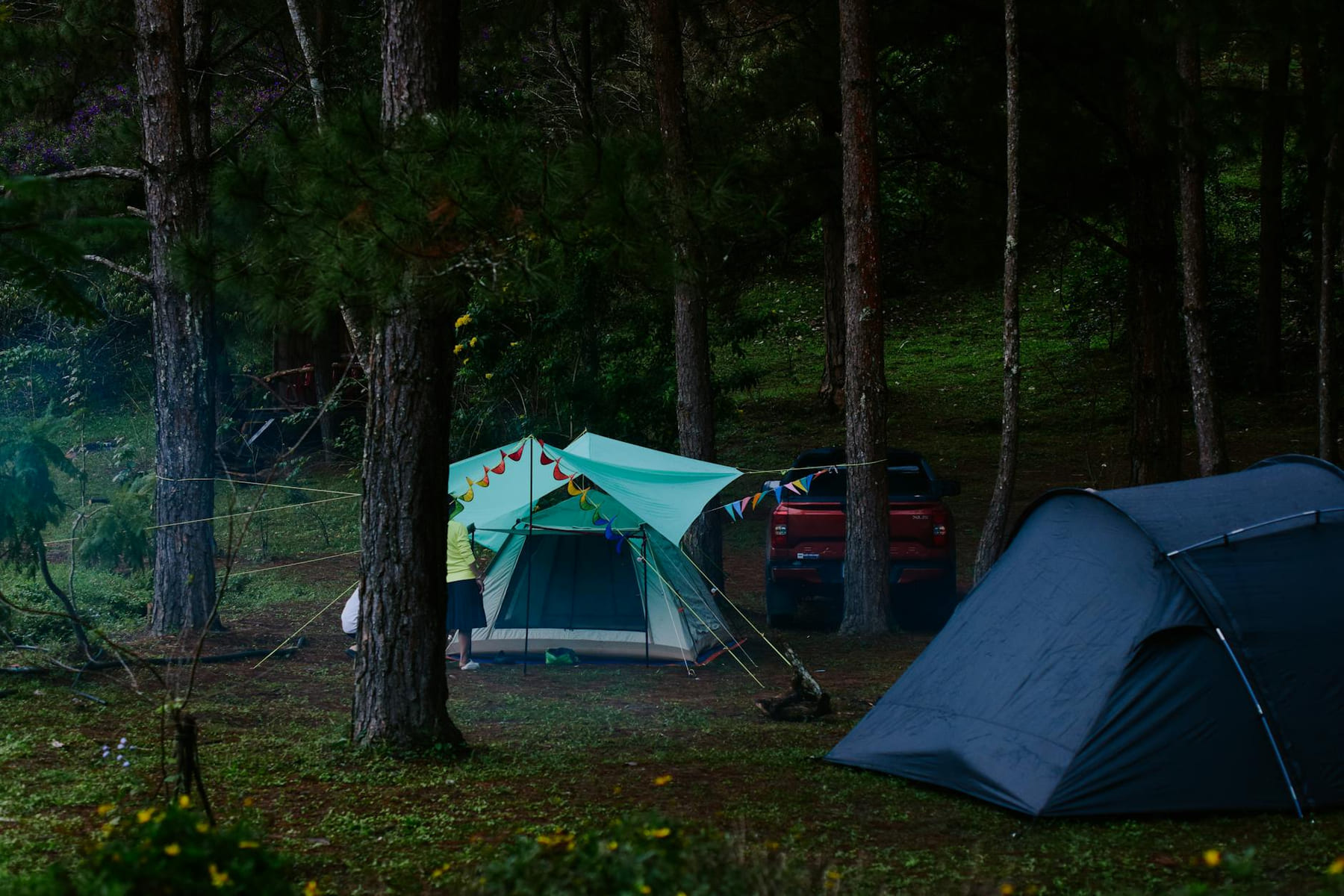
Camp Cheap: Hidden Gems for Your Trip
for Your can be easier to approach when you start with a few practical basics.
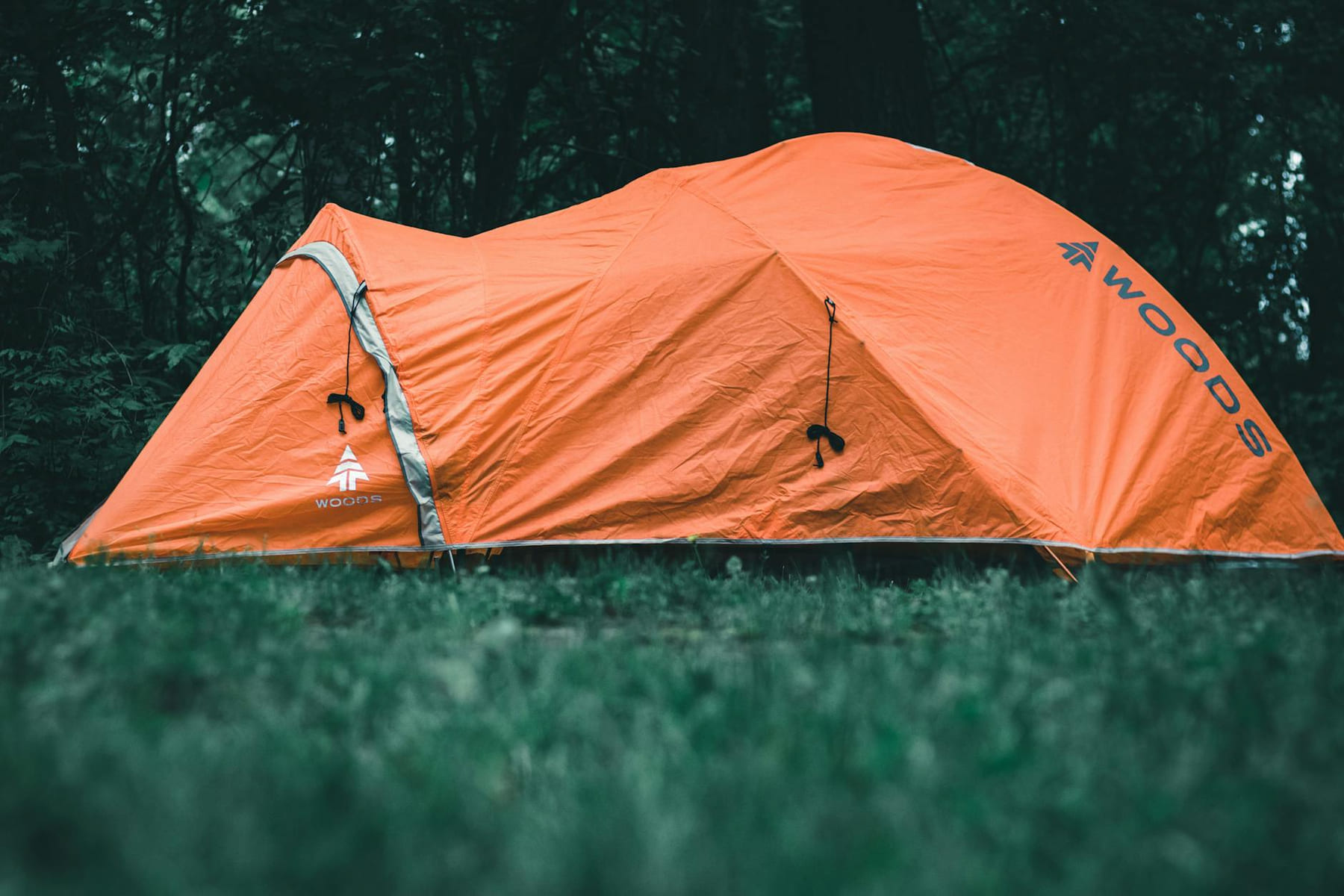
Camping on a Dime: Gear Finds
A more practical look at budget camping gear finds so you can choose affordable pieces that actually hold up and make the trip easier.