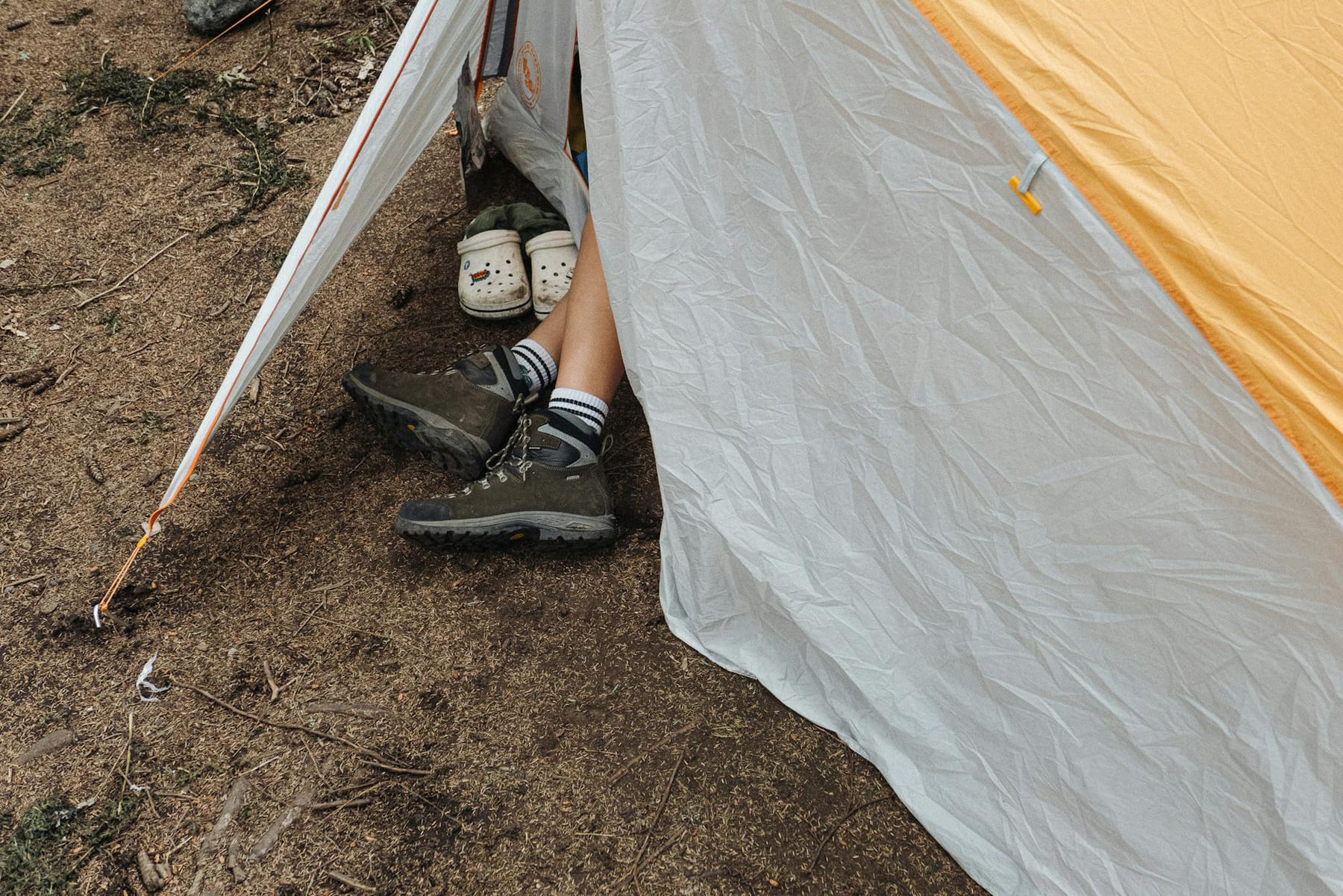
| Item 1 | Item 2 | Item 3 | Item 4 | Item 5 |
|---|---|---|---|---|
| Columbia Newton Ridge II | $135-$155 | Omni-Tech | Vibram 5mm | 2.6 lbs |
| Merrell Moab 3 | $130-$180 | PORTER | Vibram 5mm | 2.4 lbs |
| Salomon X Ultra 4 | $150-$190 | Proprietary | Contagrip | 2.3 lbs |
| KEEN Targhee III | $140-$180 | Water Resistant | Vibram 5mm | 2.7 lbs |
| Timberland Garrison WP | $170-$220 | WP Membrane | Vibram 5mm | 3.0 lbs |
0 lbs
Leather or Synthetic? It’s a Personal Choice (Hiking Boots)
Choosing between boots with synthetic uppers and leather is a common question for any budding camper. Both materials have their strengths and weaknesses, and the “best” choice really depends on your priorities and how you plan to use your boots. Synthetic boots are typically more affordable, drying much faster than leather after a rainy hike. They’re also generally lighter, which is a huge plus when you’re carrying a pack. Leather boots, on the other hand, are renowned for their durability - they can withstand a lot of abuse and often last for many years with proper care. Over time, leather boots will mold to the unique shape of your foot, creating a truly customized and comfortable fit. However, this personalized fit comes with a caveat: leather requires significantly more maintenance. Regular cleaning, conditioning, and protection from the elements are essential to keep them supple and prevent cracking. For budget camping, where cost is a primary concern, a synthetic boot is often a fantastic starting point. They offer a good balance of performance, durability, and affordability.
Finding *Your* Fit - Seriously!
Let’s be honest, shoe sizing is notoriously inconsistent. What works for one brand or style might be completely wrong for another. Don’t fall into the trap of assuming your usual shoe size will magically fit your hiking boots. Accurate measurement is absolutely crucial. Here’s a breakdown of how to find the right fit:
- Measure in the Afternoon: Your feet naturally swell throughout the day as blood flow increases. Measuring in the afternoon will give you the most accurate reading.
- Wear Hiking Socks: This is non-negotiable! The socks you’ll be wearing on the trail will significantly impact the fit. Bring a pair of your typical hiking socks to the store.
- The Thumb’s Width Rule: When you stand with your heel pushed firmly into the back of the boot, you should have about a thumb’s width of space between your longest toe and the end of the boot. This allows for foot expansion during hikes.
- Walk Around (Seriously!): Don’t just stand there and look at the boots. Walk around the store, and if possible, take a few small steps on an incline. This will give you a feel for how the boots move and whether they’re comfortable. Pay attention to any pressure points or areas where the boot feels too tight.
- Consider Width: Boots come in different widths (narrow, medium, wide). Don’t ignore this! A boot that’s too narrow will cause blisters, while a boot that’s too wide will feel unstable.
Understanding Boot Construction: Outsoles and Midsole
Beyond just the upper material, the construction of the boot itself is vital for a good hiking experience. Let's delve a little deeper:
- Outsoles: The outsole is the bottom of the boot and is what makes contact with the trail. Vibram is a leading manufacturer of outsoles, known for their durability and grip. Different Vibram compounds offer varying levels of traction - stickier rubber for muddy trails, and more durable rubber for rocky terrain. Salomon uses Contagrip, a proprietary rubber compound that provides excellent grip on a wide range of surfaces.
- Midsole: The midsole is the layer between the outsole and the upper, providing cushioning and support. Many brands use proprietary foams and cushioning technologies. Merrell’s PORTER midsole is a popular choice for its balance of cushioning and responsiveness. Columbia’s Omni-Tech midsole offers good shock absorption.
Taking Care of Your Investment: Longevity Matters
Investing in a good pair of hiking boots is a smart move, but they won’t last forever if you don’t take care of them. Proper maintenance will significantly extend their lifespan and keep them performing at their best.
- Post-Hike Cleaning: After every hike, clean your boots with a mild soap and water. Remove dirt, mud, and debris. Don’t use harsh chemicals or solvents, as they can damage the materials.
- Waterproofing Treatment: Hiking in wet conditions can quickly degrade your boots. Regularly reapply a waterproofing treatment to protect the leather or synthetic upper from moisture.
- Leather Care (If Applicable): Leather boots require regular conditioning to prevent them from drying out and cracking. Use a leather conditioner specifically designed for hiking boots.
- Proper Storage: Store your boots in a cool, dry place away from direct sunlight. Stuff them with newspaper to help them maintain their shape. Avoid storing them in plastic bags, as this can trap moisture and lead to mildew.
Little Extras That Make a Difference: Enhancing Your Hike
While the boots themselves are the foundation of your hiking experience, a few additional accessories can significantly enhance your comfort and performance.
- Hiking Socks: As mentioned earlier, investing in quality hiking socks is essential. Merino wool or synthetic blends are excellent choices for wicking away moisture and providing cushioning.
- Insoles: Stock insoles often lack adequate support and cushioning. Consider upgrading to aftermarket insoles for improved comfort and arch support. Superfeet and Sole are popular brands.
- Gaiters: Gaiters are fabric coverings that protect your ankles and lower legs from debris, mud, and water. They’re particularly useful when hiking on trails with loose dirt, rocks, or snow.
- Boot Dryer: After a wet hike, a boot dryer can help speed up the drying process and prevent the growth of mold and mildew.
The Bottom Line: Finding the Right Fit for *You*
Finding the best budget hiking boots doesn’t mean you have to compromise on quality or performance. It’s about finding a pair that fits your feet well, suits your hiking style, and aligns with your budget. With a little research, careful consideration, and a focus on what matters most to you, you can get a great pair of boots that’ll take you on tons of amazing adventures - without emptying your bank account. Don’t rush the process. Try on a few different pairs, walk around in them, and pay attention to how they feel. Read reviews from other hikers to get a sense of their durability and performance. And most importantly, trust your instincts. Happy trails!
Bonus Tip: Consider checking out used gear marketplaces like REI Used Gear or eBay for gently used boots at discounted prices. You can often find high-quality boots at a fraction of their original cost.
Keep This Practical
The smartest outdoor decisions are usually practical ones. Choose the upgrade that makes the trip easier to cook through, sleep through, or pack for, and let the rest wait.
Tools Worth A Look
The products here are meant to support safer, simpler, and more comfortable time outside.
- Emergency Sleeping Bag Survival Bivy Sack Use as Emergency Blanket Lightweight Survival Gear for Outdoor Hiking Camping Keep Warm After Earthquakes, HurricanesJUBTIC Camping Journal and RV Travel Log Book, A5 Adventure Journal for 25 Camping, Hiking Journal, Family Travel Books Camper EssentialsBest Tent Camping: Arizona: Your Car-Camping Guide to Scenic BeautyThe Camping Logbook (Camping Journal): Record Your AdventuresAmazon Basics Waterproof Camping Tarp
Some of the links on this page are Amazon affiliate links, which means I may earn a small commission if you make a purchase through them. As an Amazon Associate, I earn from qualifying purchases.
Related ReadingMore from The Frugal Camper
Camping on a Dime: Simple Ideas
Your Step-by-Step Budget Camping Guide: Adventure Doesn't Have to Break the Bank (Camping on a Dime) By Jennifer Talbot - The Frugal Camper April 13, 20...
Camping on a Budget: First-Timer Fixes
for Beginners: Troubleshooting Common Problems on a Budget can be easier to approach when you start with a few practical basics. So, you’re bitten by the camping...
Camping on a Dime: Your Grocery List
Your Ultimate Budget Camping Grocery List Camping doesn’t have to break the bank. In fact, with a little planning and a smart grocery list, you can enjoy.