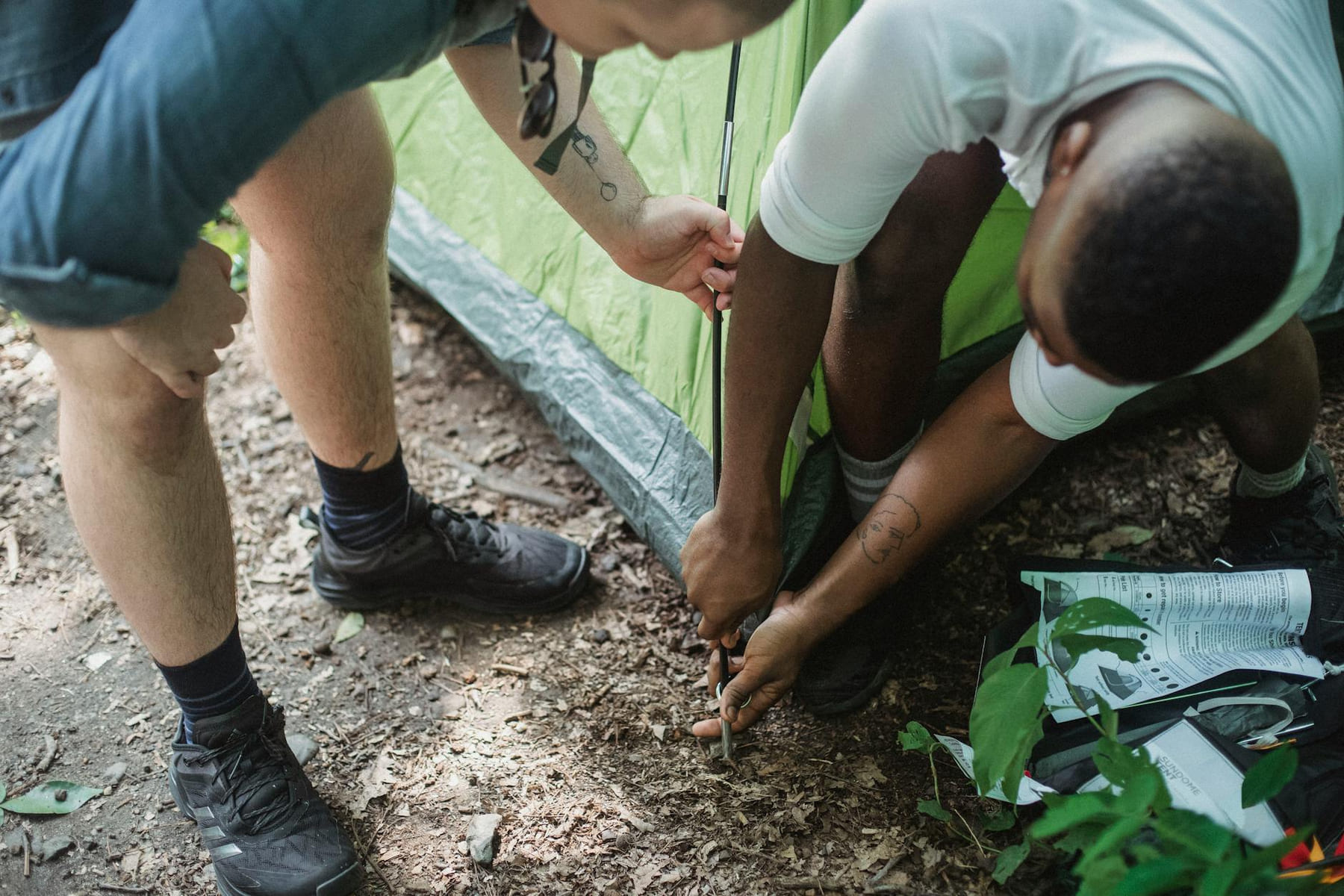
Student Camping on a Shoestring can be easier to approach when you start with a few practical basics.
That familiar feeling - the one where you’re drowning in textbooks, the library’s always packed, and the only thing on your to-do list is “survive” - it’s a pretty common experience for students these days. You’re craving a break, a little fresh air, and maybe just a quiet place to think. Camping can offer all that, and it doesn’t have to drain your bank account. As a student in 2026, you’re likely on a tight budget, but that doesn’t mean you have to miss out on the chance to reconnect with nature. this post is all about showing you how to make affordable camping a reality, even with limited funds. We'll cover everything from essential gear to finding campsites that won’t leave you scrambling for cash, so you can start planning your next adventure without feeling the pinch.
Gear Up - Without Breaking the Bank (Student Camping on a Shoestring)
Let’s be honest, the idea of buying all the camping gear can feel a little daunting, especially when you’re juggling classes and a part-time job. New tents, sleeping bags, and backpacks can quickly add up to hundreds of dollars. But you don’t need to buy everything brand new. Borrowing is a fantastic strategy - seriously, reach out to friends and family. Chances are, someone has some camping equipment gathering dust in their garage. Sites like Facebook Marketplace and Craigslist are also great places to find used gear at a fraction of the retail price. Don’t be afraid to politely negotiate a little - you might be surprised at what you can save. If you’re going the used route, take your time to inspect everything carefully. A little patching and cleaning can make a big difference. For the absolute essentials, focusing on a few key, inexpensive items is a smart move. A decent tarp - something around 8x10 or 10x12 feet - is an incredibly versatile item that serves as a fantastic ground cover, protecting you from dampness and insects. A cheap foam sleeping pad (you can usually find these for around $20-30) will make a world of difference compared to sleeping directly on the ground. Headlamps are essential - they’re lightweight, affordable, and far more convenient than relying on a bulky lantern. And a multi-tool (around $30-$50) is a surprisingly versatile tool for everything from cutting rope to tightening screws. You can often find decent options through affiliate links - resources like GearGuide.com can be helpful (though remember, these are just starting points).
Location, Location, Location: Finding Your Campsite
The biggest cost associated with camping is often the campsite fee. But there are plenty of ways to camp for free, or at least significantly cheaper. Dispersed camping - setting up camp outside of designated campgrounds - is a popular option, particularly in National Forests. but , it’s crucial to understand that dispersed camping almost always requires a permit, and it comes with responsibilities. Before you head out, research the specific regulations for the area you’re considering - fire restrictions, Leave No Trace principles, and bear safety are all incredibly important. National Forest campgrounds, while sometimes requiring reservations, are generally less expensive than private campgrounds. State parks offer a good balance of affordability and amenities. Increasingly, states are offering student discounts - a fantastic way to save money. Check out StateParkDeals.org to see if your state participates. Don’t overlook university-owned campgrounds! Many universities allow students to camp on campus, often at a reduced rate. It’s a convenient option for those who don’t want to travel far from their classes. Finally, consider using a map - Google Maps or even a simple topographical map can help you identify areas with potential free camping opportunities.
Fueling the Adventure: Food & Cooking
Eating out while camping is a budget killer, plain and simple. Packing your own food is the most significant way to save money. Simple, easy-to-prepare meals are key. Foil packet meals are a camping classic - throw some diced potatoes, veggies, sausage, and seasonings in a foil packet and cook over the campfire. Oatmeal is another winner - it’s cheap, filling, and can be customized with fruit and nuts. Trail mix is a must-have for snacks on the trail. For cooking, a small propane stove or camp stove is a relatively inexpensive investment (you can usually find these for around $30-$60). Just be mindful of fuel costs and pack enough for your trip. Minimizing food waste is also crucial - plan your meals carefully and bring reusable containers.
Getting There: Transportation Savings
Gas prices can really eat into your camping budget. Carpooling with friends is the obvious first step. If you live in a city with decent public transportation, explore the possibility of taking the bus or train to your campsite. The distance you’re willing to travel will significantly impact your costs. Camping closer to home is almost always cheaper than driving hundreds of miles. And for shorter distances, consider bike camping - it’s a great way to get exercise and save money. A sturdy backpack and a good bike are the main investments here.
Student Perks & DIY Creativity
Beyond the basics, there are a few extra tricks to keep your camping costs down. Many retailers offer student discounts on camping gear - check websites like REI and Backcountry.com for current promotions. Don’t underestimate the power of DIY! You can build a simple camp chair from pallets, create a fire starter from cotton balls and petroleum jelly, or repurpose old tarps into rain shelters. A little creativity can go a long way.
Final Thoughts: Adventure on a Budget
Budget camping for students isn’t about sacrificing the experience; it’s about being smart and resourceful. It’s about prioritizing experiences over things and appreciating the simple pleasures of nature. It’s about understanding that a great camping trip doesn’t require a huge budget. Remember to prioritize safety - always let someone know your plans, pack a first-aid kit, and be aware of your surroundings. And most importantly, embrace the outdoors and enjoy the journey! Ready to start planning your first affordable camping trip?
Keep This Practical
A frugal trip still works best when the essentials are solid. Focus on the gear or habit that improves safety and comfort first, then build the fun extras around that.
Tools Worth A Look
These picks are most useful if you want camping gear or trip supports that improve comfort, value, or setup simplicity.
- CampLand Outdoor Folding Table Aluminum Lightweight Height Adjustable with Storage Organizer for BBQ, Party, CampingCamping Essentials for Tent and Trailer Camping: Required Gear for Families, Couples or Solo Campers What You NeedOutsunny Camping Tent Cot, 6-in-1 Folding Tent Cot Combo with Mattress, Pillow, Sleeping Bag, Bed Cover, Roller Carrying Bag
Some of the links on this page are Amazon affiliate links, which means I may earn a small commission if you make a purchase through them. As an Amazon Associate, I earn from qualifying purchases.
Related ReadingMore from The Frugal Camper
Camping on a Dime: Simple Ideas
Your Step-by-Step Budget Camping Guide: Adventure Doesn't Have to Break the Bank (Camping on a Dime) By Jennifer Talbot - The Frugal Camper April 13, 20...
Camping on a Budget: First-Timer Fixes
for Beginners: Troubleshooting Common Problems on a Budget can be easier to approach when you start with a few practical basics. So, you’re bitten by the camping...
Camping on a Dime: Your Grocery List
Your Ultimate Budget Camping Grocery List Camping doesn’t have to break the bank. In fact, with a little planning and a smart grocery list, you can enjoy.