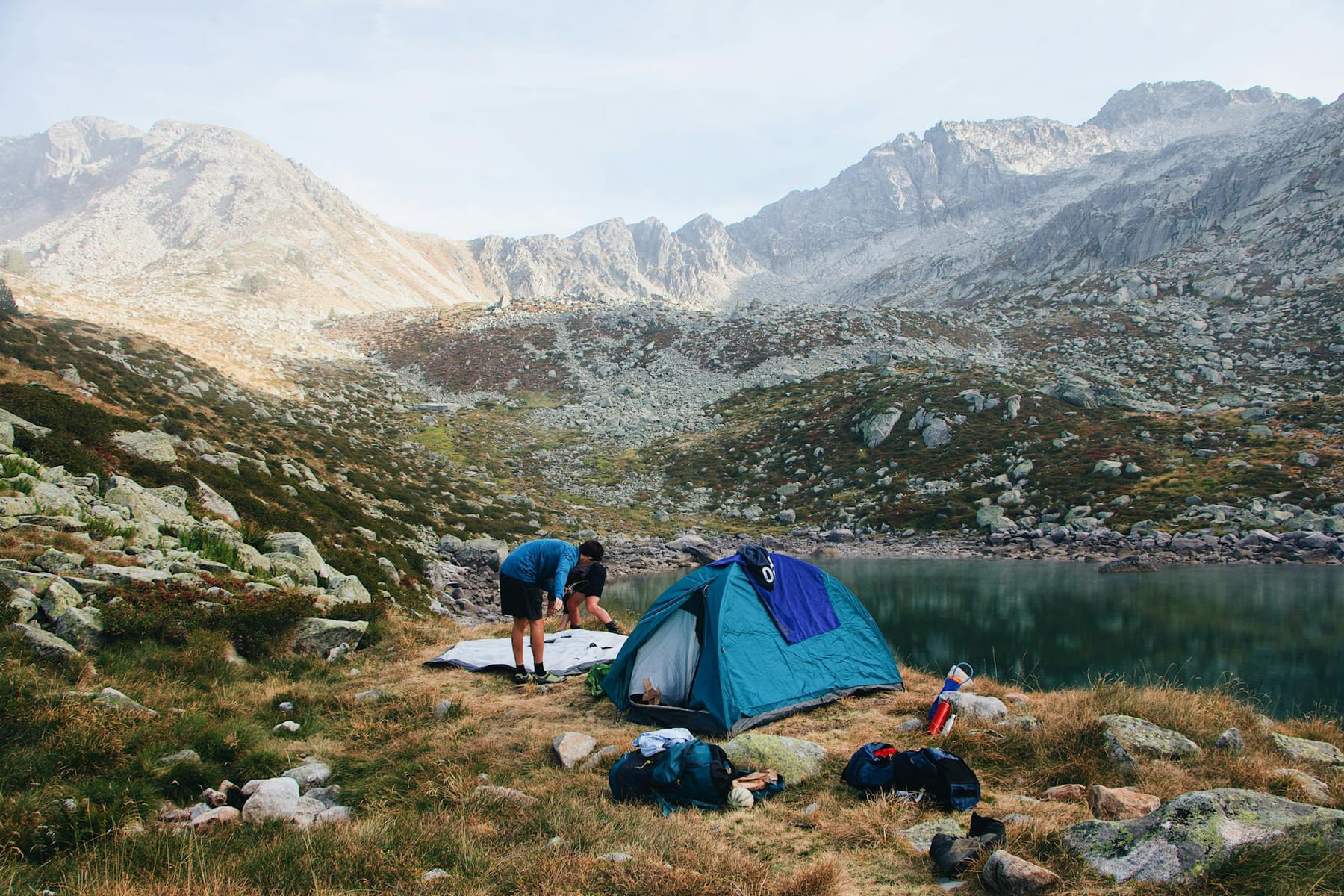
Remember that feeling? You’re picturing yourself under a canopy of stars, miles from anything, feeling completely disconnected. Then, the reality hits: the cost of the gear, the gas money, the campsite fees - suddenly that backpacking dream feels a lot more expensive. Backpacking on a budget in 2026 is totally doable, but it’s all about being smart about how you approach it. Many beginners stumble into some costly mistakes that quickly drain their funds. Let’s avoid that, shall we? this post focuses on ten common backpacking budget pitfalls and offers some practical ways to steer clear of them, ensuring you have a fantastic and affordable adventure.
1. Overpacking - The Weight Game (Backpacking Budget)
It’s easy to fall into the trap of wanting to be prepared for everything. But every ounce you carry adds up, and it’s not just about sore shoulders. Carrying extra weight slows you down, wears down your gear faster, and honestly, makes your hike a real drag. The good news? You don’t need to be a minimalist to be smart about your packing. It’s really about focusing on the essentials - the things you genuinely need, and the items that can serve multiple purposes.
Think about it: instead of hauling three pairs of hiking boots, invest in a good pair and a comfortable pair of trail runners. A versatile, waterproof jacket can replace a bulky rain shell and fleece. Capsule wardrobes - packing a small collection of clothing items that can be mixed and matched - are a huge help. Prioritize lightweight, quick-drying materials. Seriously, that extra sweater you might need? Probably not.
2 & 3. Skipping Free Camping & Underestimating Food Costs
This is a big one, and often the biggest money-saver. Finding free campsites is a game-changer. Seriously, free. In 2026, apps like “Wilderness Wanderer” and “BLM Explorer” have made it much easier to locate dispersed camping spots on Bureau of Land Management and National Forest land. Do your research before you go - these apps often show recent user reports about site conditions and any permit requirements. Remember that dispersed camping isn’t a free-for-all; it’s about responsible recreation. Pack out everything you pack in, stay on established trails, and respect wildlife. And always check local regulations; some areas require permits, even for dispersed camping.
Now, let’s talk about food. It’s shockingly easy to underestimate how much you’ll eat. Dehydrated meals are great, but they add up quickly. Consider cooking simple, lightweight meals like oatmeal, pasta with pesto, or tortillas with beans and salsa. Buying larger quantities of staples - rice, beans, pasta - at bulk stores before your trip can save a ton of money. Resupply points can be pricey, so plan your food purchases carefully based on your expected mileage and where you’ll be able to restock.
2. Forgetting About Transportation
Your backpacking adventure doesn’t start when you reach the trailhead. Getting there is a significant expense. Don’t overlook transportation costs! Carpooling with friends is the obvious choice, of course. Greyhound and similar bus services are becoming more popular and offer routes to many popular hiking areas. Ride-sharing apps like “RideShare Now” can be useful, but keep an eye on surge pricing - it can quickly inflate the cost, especially on weekends. And don’t forget to factor in parking fees at the trailhead, which can sometimes be surprisingly high.
5 & 6. Lack of Research & Poor Gear Choices
This is where a lot of budget backpacking trips go sideways. Don’t assume everything is free or easy. Research campsite fees before you book, and understand if reservations are required. Firewood prices can vary dramatically, and permits for campfires often need to be obtained in advance. Hidden costs, like entrance fees to national parks or limited access roads, can sneak up on you.
with gear, don’t just grab the cheapest option. Durable, well-made gear will last longer and in practice save you money in the long run. Brands like REI Co-op and Kelty are known for offering good value for the price. Also, consider the cost of repairs - a small tear in a tent can quickly become a major problem if you don’t have a repair kit. It’s often better to invest a little more upfront for quality.
7-10. Tech, Weather, Water & Group Gear
Let’s keep you connected (and safe) without overspending. review offline maps to your phone using apps like “Gaia GPS” - a paid subscription is worth it for the features. A small, portable solar charger can be a lifesaver when you’re miles from an outlet. Seriously, a dead phone can be a real problem.
Check the weather forecast obsessively in the days leading up to your trip, and pack accordingly. Layers are key. Water planning is crucial: carry enough water to get you to your next reliable source, and invest in a reliable water filter or purification tablets. A Sawyer Squeeze filter is a solid, affordable option. And if you’re backpacking with a group, coordinate gear sharing - a shared tent and stove can save everyone money. Just make sure everyone understands the system and respects the equipment.
Focus on the part that solves the problem
In a topic like Budget Camping, the strongest starting point is usually the one you will notice and use right away. That is often more helpful than adding extra features too early.
Before spending more, it is worth checking the setup, upkeep, and learning curve. Small hassles matter here because they are usually what decide whether something stays useful or gets ignored.
It is easy to underestimate how much clarity comes from removing one unnecessary layer. In practice, trimming one complication often does more for Backpacking Budget: Common Mistakes than adding one more feature, one more product, or one more clever workaround.
Where extra features get in the way
Another easy trap is copying a setup that made sense for someone with a different routine, budget, or tolerance for maintenance. In Budget Camping, that mismatch is often what makes a promising idea feel frustrating later.
A lot of options sound great until you picture them in a normal week. If the setup is fussy, the routine is easy to forget, or the maintenance is annoying, the appeal fades quickly.
There is also value in keeping one part of the process deliberately simple. Readers often do better when they identify the one decision that carries the most weight and make that choice carefully before they chase smaller optimizations. That keeps momentum steady and usually prevents the topic from turning into clutter.
Conclusion
Backpacking on a budget in 2026 is absolutely achievable. It’s about being thoughtful and prioritizing what you really need. Avoid overpacking, take advantage of free camping opportunities, and be mindful of all your expenses. Start planning your budget-friendly adventure today!
Keep This Practical
Camping gets better when the next gear or planning choice removes stress instead of adding more to manage. Start with the part of the trip that most affects comfort, setup, or cost.
Tools Worth A Look
If you are trying to keep outdoor trips affordable without making them harder, the recommendations below are the closest fit.
- GORILLA GRIP Durable Camping Hammock with Heavy Duty Tree Straps, Portable HammocksGintan Collapsible Camping Cutting Board, 9-in-1 Chopping BoardFire-Maple "Fixed Star 1" Backpacking and Camping Stove System - Outdoor Propane Cooking Gear - Portable PotWhere Should We Camp Next?: A 50-State Guide to Amazing Campgrounds and Other Unique Outdoor AccommodationsOdoland 10pcs Camping Cookware Camping Pots and Pans Set with Kettle Plastic Bowls and Soup Spoon for Camping, Backpacking, Outdoor Cooking
Some of the links on this page are Amazon affiliate links, which means I may earn a small commission if you make a purchase through them. As an Amazon Associate, I earn from qualifying purchases.
Related ReadingMore from The Frugal Camper
Backpacking on a Budget: Your Guide
on a Budget can be easier to approach when you start with a few practical basics. Gear is undeniably a significant portion of the backpacking budget. It’s tempting.
Backpacking on a Budget: Smart Ideas
on a Budget can be easier to approach when you start with a few practical basics. Let’s tackle the elephant in the tent: gear. New backpacking gear can be.
Backpacking on a Budget: First Steps
Budget Hacks for Beginners - The Frugal Camper Backpacking Budget Hacks for Beginners: Level Up Your Adventure Without Breaking the Bank The allure of backpacking.