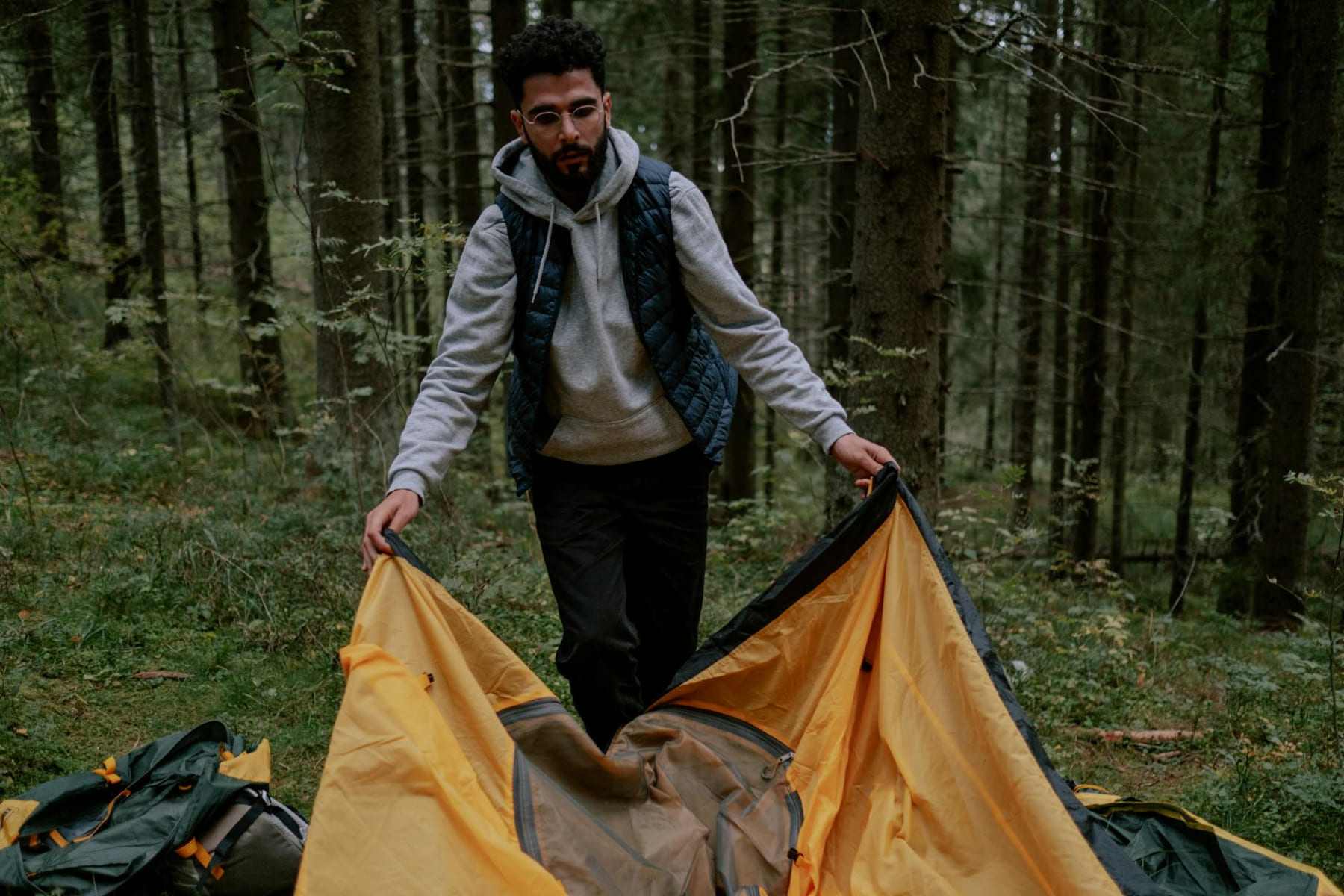
1. Gear: The Biggest Expense (and How to Conquer It) (Backpacking on a Budget)
Backpacking on a Budget can be easier to approach when you start with a few practical basics. Gear is undeniably a significant portion of the backpacking budget. It’s tempting to buy the top-of-the-line, shiny new equipment, but that’s a recipe for financial stress. Instead, let’s focus on smart, affordable choices. Here’s a breakdown:
a) Borrow, Rent, or Buy Used
Seriously, start here. Before you even think about buying anything new, ask around. Friends, family, and outdoor clubs are goldmines for borrowing gear. Renting is another fantastic option for items you’ll only use occasionally, like bear canisters or specialized tents. Websites like REI Used Gear and Facebook Marketplace are your best friends for finding gently used equipment at a fraction of the retail price. I snagged my favorite backpack for 60% off on Facebook Marketplace - it was practically new!
b) Prioritize Essentials
You don’t need a five-star hotel for the wilderness. Focus on the absolute essentials: a reliable tent, a comfortable sleeping bag rated for the expected temperatures, sturdy hiking boots, a water filter or purification tablets, a headlamp, and a basic first-aid kit. Don’t get bogged down in fancy gadgets. A simple, lightweight tarp can be a surprisingly effective and cheap alternative to a full-blown tent footprint.
c) The “Rule of One” - Minimalist Packing
This is crucial. Every ounce counts when you’re backpacking. The “Rule of One” dictates that each item in your pack should serve multiple purposes. Your bandana can be a towel, a head covering, a dust mask, and even a makeshift bandage. A trekking pole can be used for tent setup, as a walking stick, and for probing for obstacles. Learn to embrace minimalism - you’ll be amazed at how little you actually need.
2. Food: Fueling Your Adventure Without Emptying Your Wallet
Food costs can quickly spiral out of control if you’re not careful. Here’s how to keep your stomach happy and your wallet full:
a) Plan Your Meals Strategically
Don’t just throw random snacks into your pack. Create a detailed meal plan for each day, considering calorie needs and weight. Dehydrated meals are convenient, but they can be expensive. Focus on lightweight, calorie-dense staples like oatmeal, rice, pasta, nuts, dried fruit, and jerky.
b) Cook Your Own Food
Resist the urge to buy pre-packaged meals at trailheads. Cooking your own food is significantly cheaper and often healthier. A small, lightweight stove and fuel canister are a worthwhile investment. Learn a few simple recipes - foil packet meals are incredibly easy and require minimal cleanup.
c) Repackage and Reduce Waste
Buy bulk items whenever possible (oats, rice, nuts) and repackage them into Ziploc bags to save space and weight. Bring reusable containers and minimize single-use packaging. Leave No Trace - pack out everything you pack in, including food scraps.
3. Transportation & Logistics: Getting There Affordably
Getting to your trailhead shouldn't be a major expense. Consider these options:
a) Public Transportation
Whenever possible, utilize buses, trains, or regional trains. They’re often far cheaper than driving and allow you to relax and enjoy the scenery. Websites like Greyhound and Amtrak offer various routes and discounts.
b) Carpooling
If driving is unavoidable, carpool with friends or family. Share gas costs and make the journey more enjoyable.
c) Shuttle Services
For longer distances, shuttle services can be a good option, especially if you’re traveling solo. Compare prices and book in advance for the best deals.
4. Campsite Fees & Permits: Navigating the Costs
Campsite fees and permit requirements can add up, especially in popular areas. Here’s how to minimize these costs:
a) Dispersed Camping
Where permitted (check local regulations!), dispersed camping - camping outside of designated campgrounds - is often free. It’s a fantastic way to experience the wilderness without paying a dime. However, be sure to practice Leave No Trace principles and follow all regulations.
b) Free Camping Apps & Websites
Apps like Freecampsites.net and iOverlander provide user-submitted information on free and low-cost camping locations. Do your research and read reviews before heading out.
c) Shoulder Season Travel
Traveling during the shoulder season (spring or fall) can mean lower campsite fees and fewer crowds. The weather may be less predictable, but the savings are often worth it.
5. Unexpected Costs & Contingency Planning
Things don’t always go according to plan. Unexpected costs can arise - a flat tire, a minor injury, a sudden change in weather. It’s crucial to have a contingency fund. Aim to have at least 10-15% of your trip budget set aside for unexpected expenses. A small first-aid kit, a repair kit for your gear, and a waterproof bag for valuables are also smart investments.
Backpacking on a budget is about prioritizing experiences over possessions. It’s about embracing simplicity, resourcefulness, and a love for the outdoors. With a little planning and these backpacking budget hacks, you can create unforgettable adventures without breaking the bank. Happy trails!
Start with what you will actually use
With Backpacking on a Budget: Your Guide, the first question is usually not which option looks best on paper. It is which part will make day-to-day life easier, smoother, or cheaper once the novelty wears off.
A lot of options sound great until you picture them in a normal week. If the setup is fussy, the routine is easy to forget, or the maintenance is annoying, the appeal fades quickly.
There is also value in keeping one part of the process deliberately simple. Readers often do better when they identify the one decision that carries the most weight and make that choice carefully before they chase smaller optimizations. That keeps momentum steady and usually prevents the topic from turning into clutter.
What tends to get overlooked
Tradeoffs are normal here. Cost, convenience, upkeep, and flexibility do not always line up neatly, so it helps to decide which tradeoff matters least to you before you commit.
This usually gets easier once you make a short list of priorities. A tighter list tends to produce better decisions than trying to solve every possible problem at once.
Another useful filter is asking what you would still recommend if the budget got tighter, the schedule got busier, or the setup had to be easier for someone else to manage. The answers to that question usually reveal which advice is durable and which advice only works under ideal conditions.
How to keep the setup simple
If you want Backpacking on a Budget: Your Guide to hold up over time, choose the version you can actually maintain. That can mean spending less, leaving out an attractive extra, or simplifying the setup so it fits ordinary life.
The version that holds up best is usually the one you can live with on an ordinary day. That often matters more than the version that only feels good when you have extra time, energy, or money.
That is why the best next step is often a modest one with a clear upside. You want something specific enough to act on, flexible enough to adjust, and practical enough that you would still recommend it after the first burst of enthusiasm fades.
Keep This Practical
The smartest outdoor decisions are usually practical ones. Choose the upgrade that makes the trip easier to cook through, sleep through, or pack for, and let the rest wait.
Tools Worth A Look
The products here are meant to support safer, simpler, and more comfortable time outside.
- SUV RVing: How to Travel, Camp, Sleep, Explore, and Thrive in the Ultimate Tiny HouseCamping For DummiesBackpacking Made Easy: Secure Budget Friendly GearCollapsible Portable LED Camping Lantern XTAUTO Lightweight Waterproof Solar USB Rechargeable LED FlashlightWhere Should We Camp Next?: Camping 101: A Guide for Planning Amazing Camping Trips in Unique Outdoor Accommodations
Some of the links on this page are Amazon affiliate links, which means I may earn a small commission if you make a purchase through them. As an Amazon Associate, I earn from qualifying purchases.
Related ReadingMore from The Frugal Camper
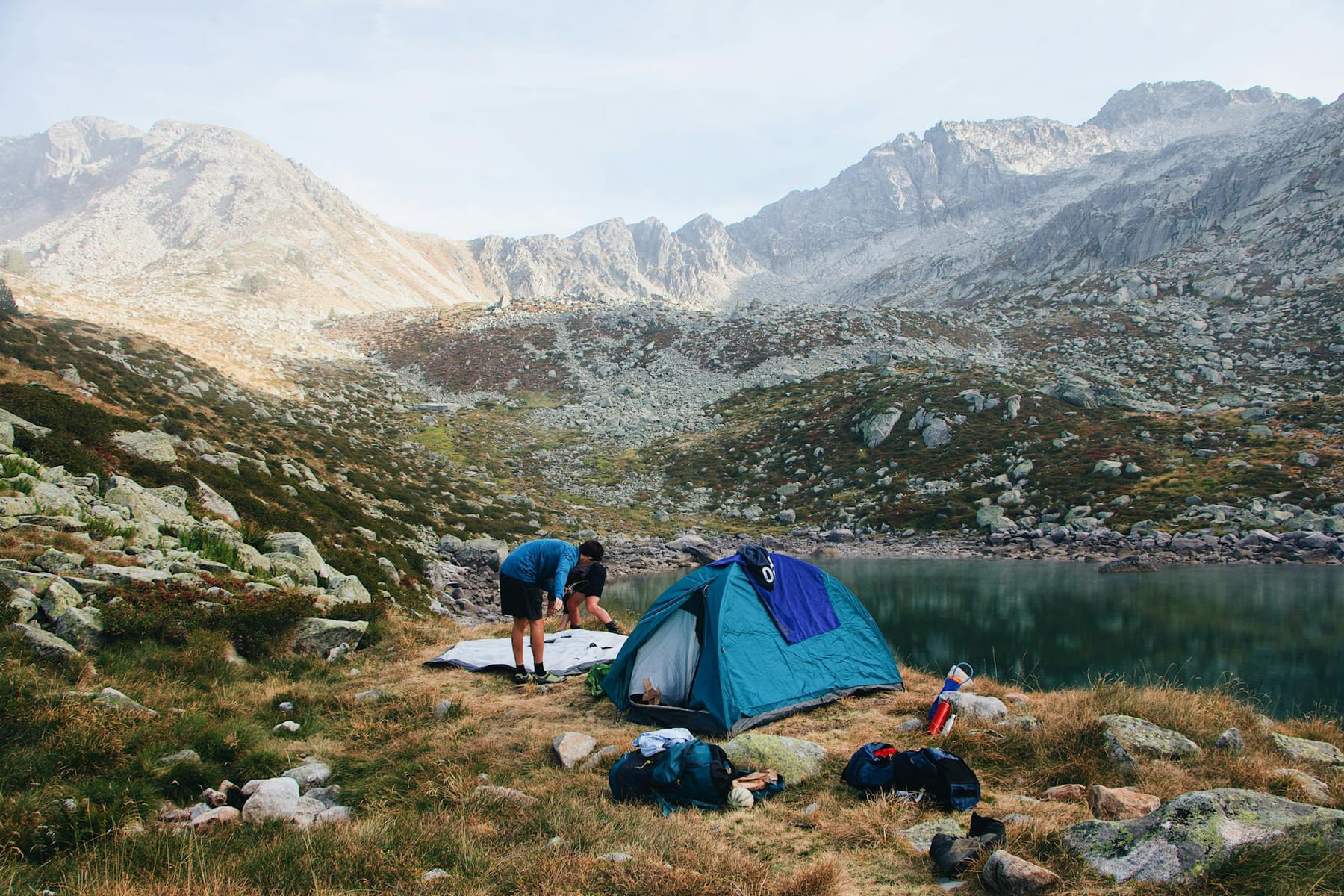
Backpacking Budget: Common Mistakes
Budget Hacks - Mistakes to Avoid (2026) Backpacking Budget Hacks - Mistakes to Avoid (2026) Remember that feeling? You’re picturing yourself under a canopy.
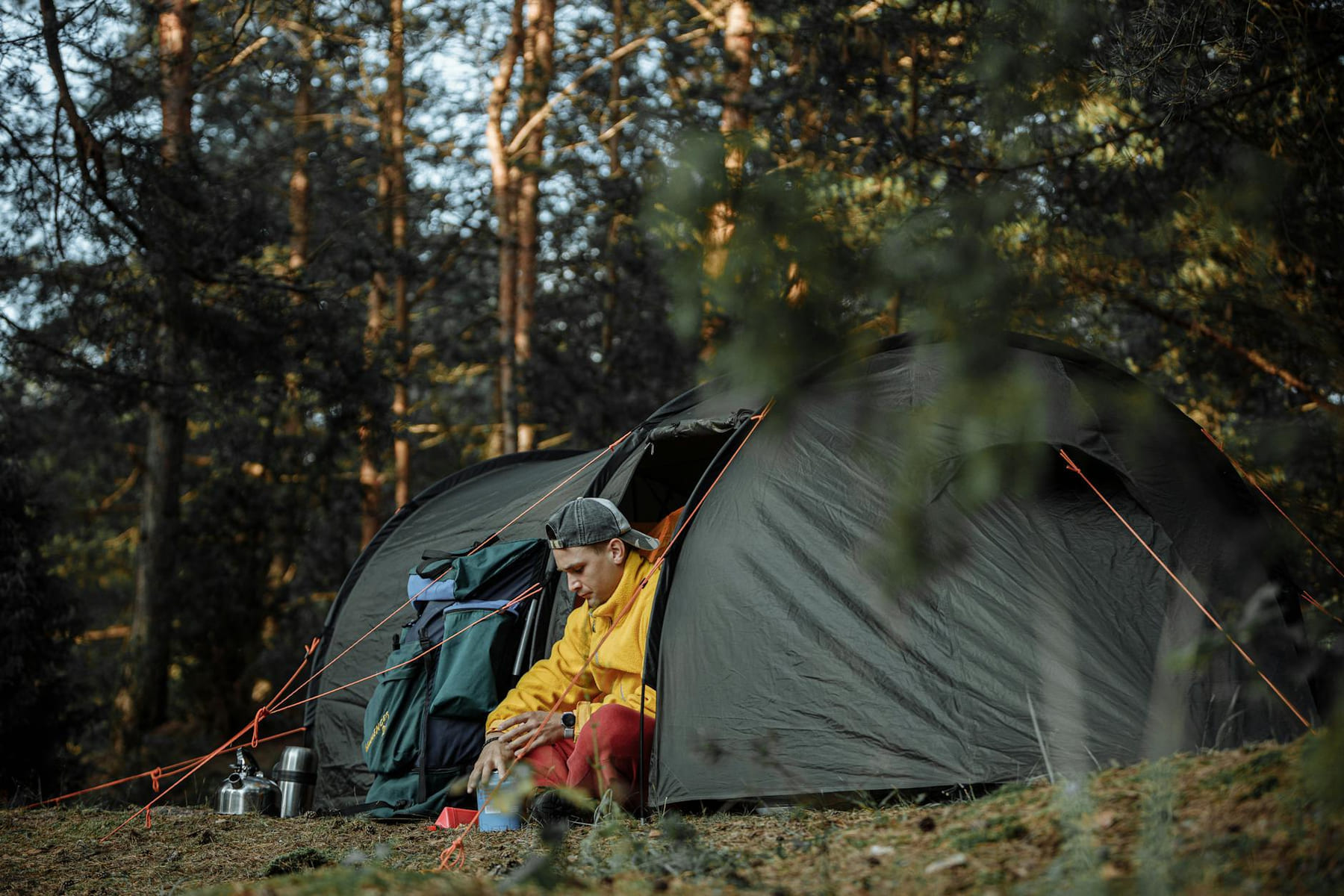
Backpacking on a Budget: Smart Ideas
on a Budget can be easier to approach when you start with a few practical basics. Let’s tackle the elephant in the tent: gear. New backpacking gear can be.
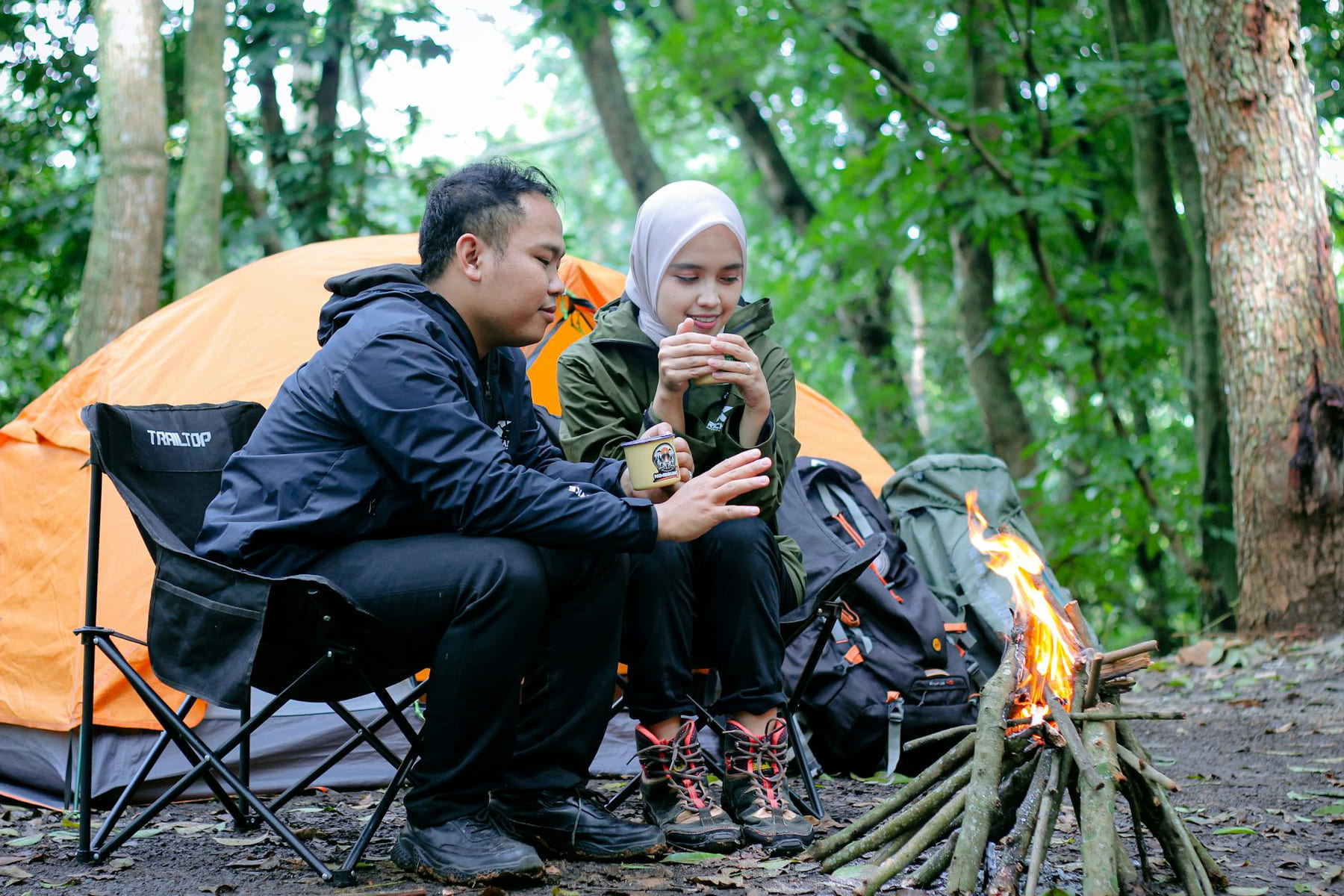
Backpacking on a Budget: First Steps
Budget Hacks for Beginners - The Frugal Camper Backpacking Budget Hacks for Beginners: Level Up Your Adventure Without Breaking the Bank The allure of backpacking.