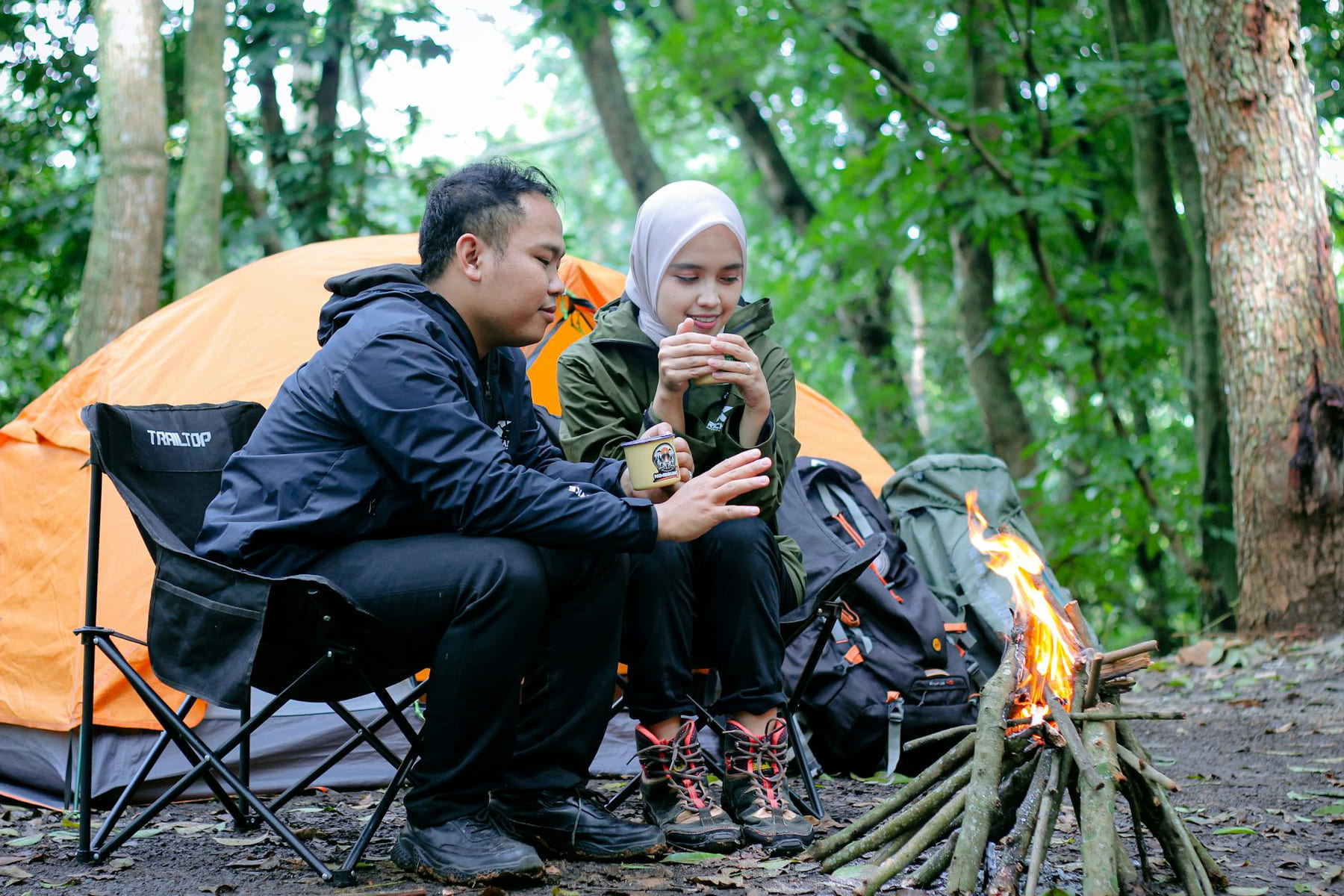
1. Gear Up Smart: Borrow, Buy Used, and Embrace the Minimalist
Gear is often the biggest expense. Don’t rush out and buy everything new. Here’s a breakdown of how to approach it:
- Borrow, Borrow, Borrow: Seriously! Reach out to friends, family, or outdoor clubs. You’d be surprised how many people have gear sitting unused. A tent, sleeping bag, backpack - borrowing can save you hundreds.
- The Used Gear Market: Facebook Marketplace, Craigslist, eBay, and REI’s Used Gear section are goldmines. You can find high-quality gear at a fraction of the retail price. Be patient and do your research - check reviews and inspect items carefully before buying. A used tent might cost $50-$100 instead of $200-$300 new.
- Start Minimalist: Beginners often over-pack. Resist the urge to buy fancy gadgets. A lightweight, reliable tent, a comfortable sleeping bag rated for the expected temperatures, a basic backpack, and essential clothing are all you *really* need to start.
- Rental Options: For longer trips or if you’re unsure about committing to gear, consider renting. REI and other outdoor retailers offer rental programs.
Example: I recently tackled a weekend trip to the Smokies. I borrowed my friend’s 3-season tent (saving me $150) and found a used sleeping pad on Facebook Marketplace for $30. That’s a significant chunk of change saved!
2. Food is Fuel, Not a Fortune
Food costs can easily spiral out of control. Here’s how to keep your meals light and affordable:
- Plan Your Meals: This is crucial. Create a detailed meal plan for each day, considering weight and calorie needs.
- Dehydrated and Freeze-Dried Meals: These are convenient and lightweight, though they can be pricier upfront. Look for sales and buy in bulk.
- Simple, Staple Foods: Oats, rice, pasta, beans, lentils, tortillas, peanut butter, and nuts are your friends. They’re cheap, calorie-dense, and incredibly versatile.
- Trail Snacks: Jerky, energy bars, dried fruit, and nuts are essential for keeping your energy levels up. Buy in bulk when possible.
- Cook Your Own Food: Camp stoves are relatively inexpensive and allow you to prepare hot meals. Don’t rely solely on expensive pre-packaged backpacking meals.
Example: Instead of buying pre-made trail mix for $7 a bag, I buy a large bag of almonds and dried cranberries for $10 and mix it myself. It’s cheaper and healthier.
3. Transportation Tactics: Minimize Your Travel Costs
Getting to and from your trailhead can add up quickly. Consider these options:
- Carpooling: Organize a carpool with friends or fellow backpackers.
- Public Transportation: If possible, take a bus or train to the trailhead.
- Bike or Hike: For shorter distances, consider biking or hiking to the trailhead - it’s free exercise and saves on gas.
- Offset Costs: If driving is unavoidable, factor in gas, tolls, and parking fees.
Example: For a trip to Shenandoah National Park, I carpooled with three friends, splitting the gas cost and making the journey much more affordable.
4. Mastering the Essentials: What You *Really* Need
Let’s be realistic - you don’t need the latest and greatest gear. Focus on the essentials:
- Backpack (50-70 Liters): Invest in a comfortable, properly fitted backpack.
- Tent (Lightweight, 2-Person): A 2-person tent is often more affordable than a 3-person tent and offers more space.
- Sleeping Bag (Rated for Expected Temperatures): Don’t overspend on a sleeping bag. A good quality bag rated for the expected temperatures will suffice.
- Headlamp or Flashlight: Essential for navigating in the dark.
- Water Filter or Purification Tablets: Access to clean water is paramount.
- First-Aid Kit: A well-stocked first-aid kit is a must-have.
- Navigation Tools (Map & Compass): Don’t rely solely on your phone. Learn how to use a map and compass.
5. Budget-Friendly Trip Planning: The Details Matter
Beyond the gear and food, careful planning can save you money.
- Free Camping: Research free dispersed camping areas on public lands. These are often located in national forests and BLM land.
- Permits and Fees: Check for required permits and fees for your chosen destination.
- Campground Reservations (if needed): Book campsites in advance, especially during peak season.
- review Offline Maps: Cell service can be unreliable in the backcountry. review offline maps to your phone or GPS device.
- Pack a Repair Kit: A small repair kit with duct tape, cord, and a knife can fix minor gear issues on the trail.
Example: I spent hours researching free dispersed camping options in Arizona. I ended up finding several beautiful spots that saved me $50 in campground fees.
6. Long-Term Savings: Building Your Backpacking Fund
Backpacking isn’t a one-time expense. Start building a fund to cover future trips. Here are some ideas:
- Set a Savings Goal: Determine how much you want to save for each trip.
- Automate Savings: Set up automatic transfers from your checking account to a dedicated backpacking savings account.
- Side Hustle: Consider a side hustle to earn extra money for your adventures.
- Sell Unused Gear: Clear out your closet and sell unwanted gear to generate funds.
Start with what you will actually use
With Backpacking on a Budget: First Steps, the first question is usually not which option looks best on paper. It is which part will make day-to-day life easier, smoother, or cheaper once the novelty wears off.
A lot of options sound great until you picture them in a normal week. If the setup is fussy, the routine is easy to forget, or the maintenance is annoying, the appeal fades quickly.
There is also value in keeping one part of the process deliberately simple. Readers often do better when they identify the one decision that carries the most weight and make that choice carefully before they chase smaller optimizations. That keeps momentum steady and usually prevents the topic from turning into clutter.
What tends to get overlooked
Tradeoffs are normal here. Cost, convenience, upkeep, and flexibility do not always line up neatly, so it helps to decide which tradeoff matters least to you before you commit.
This usually gets easier once you make a short list of priorities. A tighter list tends to produce better decisions than trying to solve every possible problem at once.
Another useful filter is asking what you would still recommend if the budget got tighter, the schedule got busier, or the setup had to be easier for someone else to manage. The answers to that question usually reveal which advice is durable and which advice only works under ideal conditions.
How to keep the setup simple
If you want Backpacking on a Budget: First Steps to hold up over time, choose the version you can actually maintain. That can mean spending less, leaving out an attractive extra, or simplifying the setup so it fits ordinary life.
The version that holds up best is usually the one you can live with on an ordinary day. That often matters more than the version that only feels good when you have extra time, energy, or money.
That is why the best next step is often a modest one with a clear upside. You want something specific enough to act on, flexible enough to adjust, and practical enough that you would still recommend it after the first burst of enthusiasm fades.
Keep This Practical
Camping gets better when the next gear or planning choice removes stress instead of adding more to manage. Start with the part of the trip that most affects comfort, setup, or cost.
Tools Worth A Look
If you are trying to keep outdoor trips affordable without making them harder, the recommendations below are the closest fit.
- Camping For DummiesOutsunny Camping Tent Cot, 6-in-1 Folding Tent Cot Combo with Mattress, Pillow, Sleeping Bag, Bed Cover, Roller Carrying BagBest Tent CampingBest Tent Camping: Ohio: Your Car-Camping Guide to Scenic BeautyElegear CumbreX™ Self Inflating Sleeping Pad, 3.15" Ultra-Thick Memory Foam Camping Pad
Some of the links on this page are Amazon affiliate links, which means I may earn a small commission if you make a purchase through them. As an Amazon Associate, I earn from qualifying purchases.
Related ReadingMore from The Frugal Camper
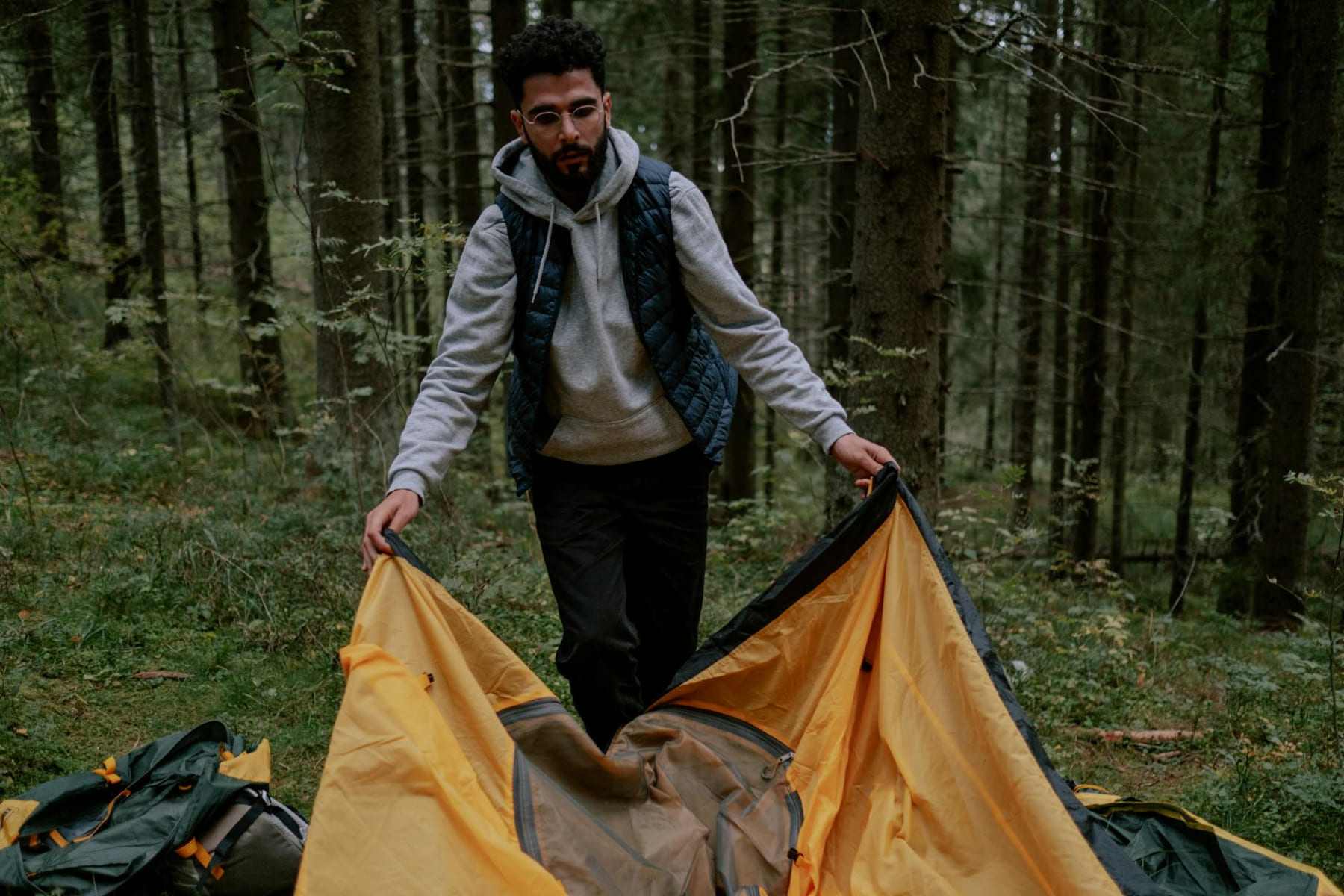
Backpacking on a Budget: Your Guide
on a Budget can be easier to approach when you start with a few practical basics. Gear is undeniably a significant portion of the backpacking budget. It’s tempting.
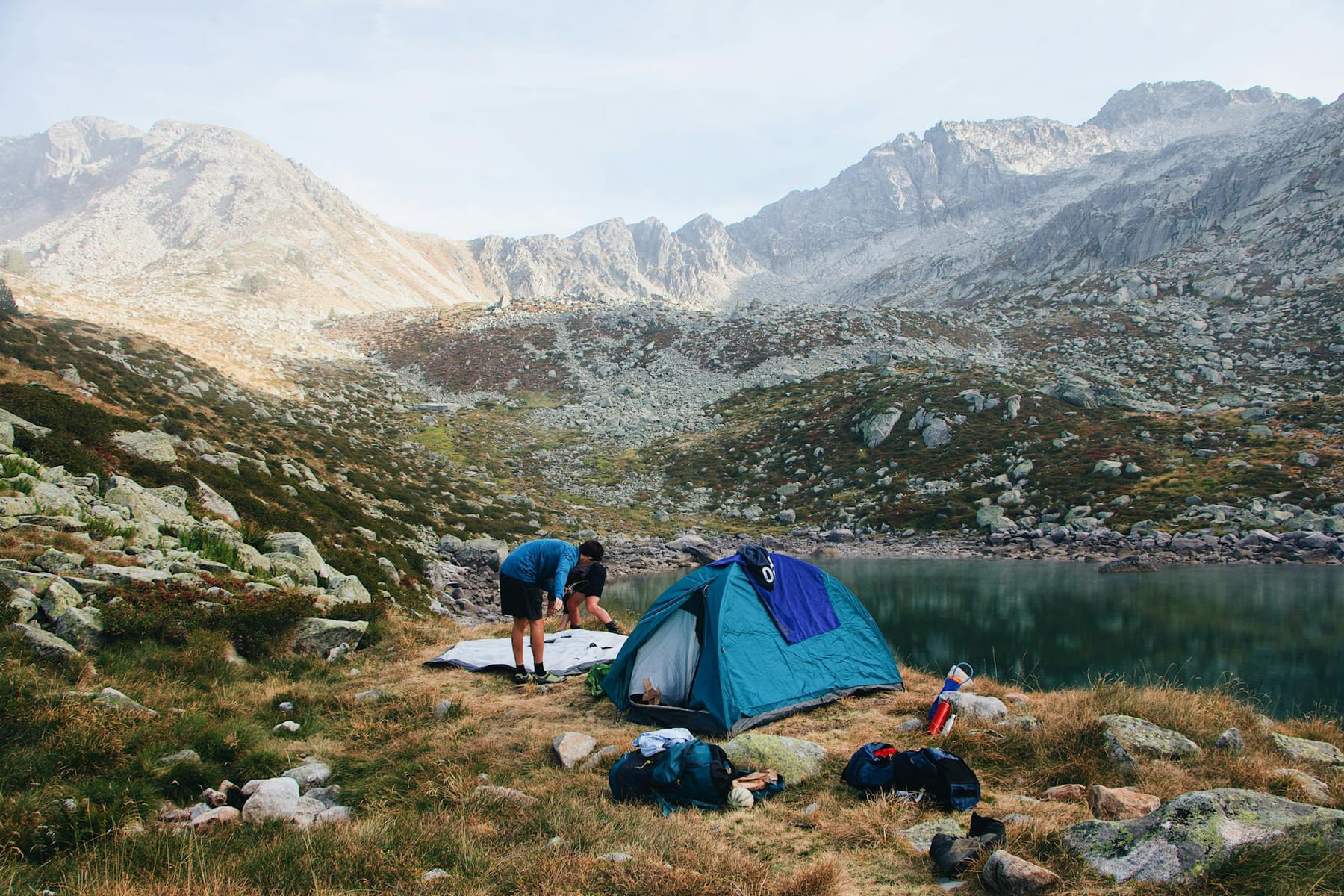
Backpacking Budget: Common Mistakes
Budget Hacks - Mistakes to Avoid (2026) Backpacking Budget Hacks - Mistakes to Avoid (2026) Remember that feeling? You’re picturing yourself under a canopy.
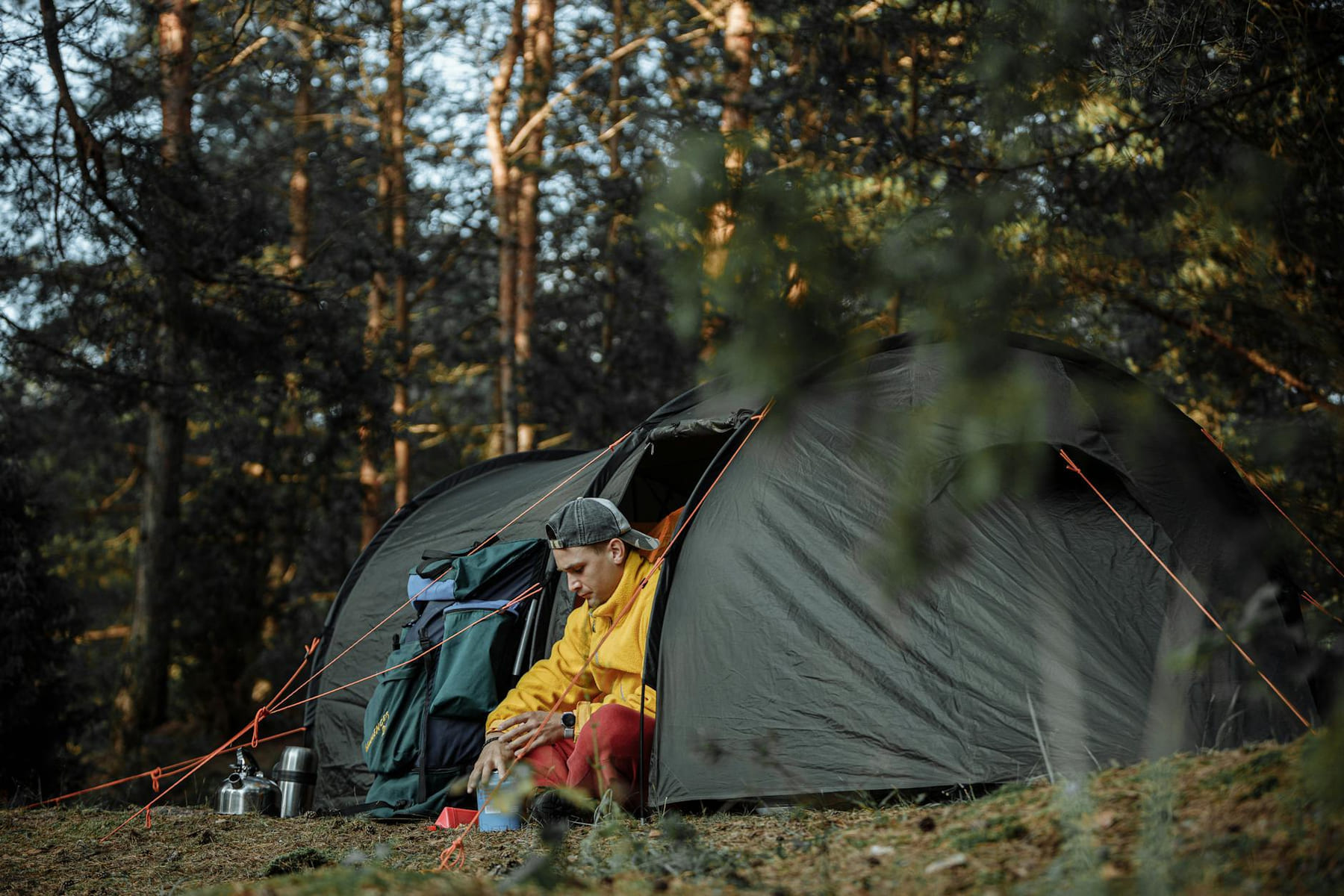
Backpacking on a Budget: Smart Ideas
on a Budget can be easier to approach when you start with a few practical basics. Let’s tackle the elephant in the tent: gear. New backpacking gear can be.