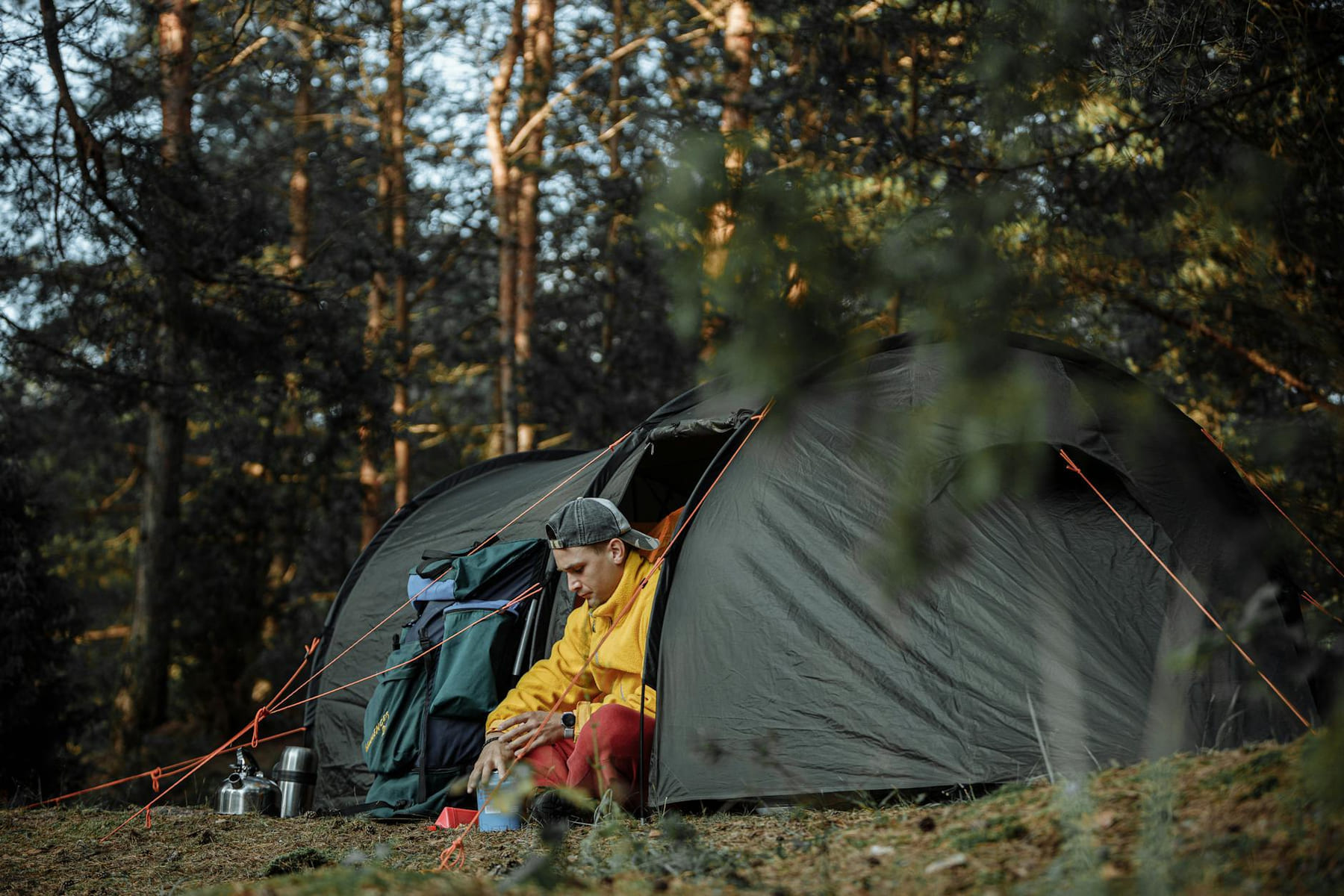
1. Gear - The Biggest Investment (and How to Reduce It) (on a Budget)
on a Budget can be easier to approach when you start with a few practical basics. Let’s tackle the elephant in the tent: gear. New backpacking gear can be expensive. The good news is, you don’t need to buy everything brand new. Here's how to significantly cut your gear costs:
- Borrow, Rent, or Buy Used: Seriously, this is your first stop. Check local outdoor clubs, university recreation departments, or online marketplaces like Facebook Marketplace, Craigslist, and GearTrade. You can often find high-quality backpacks, tents, and sleeping bags for a fraction of the retail price. I recently snagged a fantastic Osprey Atmos AG 65 backpack for $80 used - it’s a game-changer!
- Start with the Essentials: Don’t get caught up in fancy features. A reliable tent, a comfortable sleeping bag rated for the expected temperatures, a sturdy backpack, hiking boots, and a basic cooking system are the foundation. You can always upgrade later.
- DIY Gear (Seriously!): This might seem daunting, but it’s incredibly rewarding. Learn to repair your gear. Patch your tent, sew a new strap, or replace a broken buckle. There are tons of online tutorials for everything from making your own stuff sacks to building a simple trekking pole.
- Consider “Micro-Shelters” for Short Trips: For weekend trips, a lightweight tarp and bivy sack can be a cheaper alternative to a full tent. They’re not luxurious, but they’ll keep you dry and protected.
2. Food - Fueling Your Adventure on a Shoestring
Food is another significant expense. Restaurant meals and pre-packaged backpacking food are notoriously pricey. Here’s how to eat well without emptying your wallet:
- Meal Plan Like a Pro: Before you go, plan every single meal. This prevents impulse buys at the trailhead and ensures you’re packing only what you need.
- Bulk Buying is Your Friend: Rice, beans, oats, pasta - these staples are incredibly cheap when bought in bulk.
- Dehydrated and Freeze-Dried Foods (Used Strategically): These are convenient, but can be expensive if bought new. Look for sales and buy in larger quantities. Consider making your own dehydrated meals - it’s surprisingly easy and much cheaper.
- Foraging (With Caution!): Learn about edible plants in your area *before* you go. This can supplement your food supply, but *always* be 100% certain of your identification. Never eat anything you’re not absolutely sure about.
- Repackage Smartly: Remove bulky packaging from food items to save space and weight. Use Ziploc bags or reusable containers.
3. Transportation - Getting to and From Your Trailhead
Transportation costs can vary dramatically depending on your location. Here are some budget-friendly options:
- Carpooling: Share rides with friends or family.
- Public Transportation: If available, buses and trains are often much cheaper than driving.
- Bike or Hike: If the trailhead is within a reasonable distance, consider biking or hiking to save on gas and parking fees.
- Offsetting Costs: If driving is unavoidable, look for cheaper gas stations and consider packing your own snacks and drinks to avoid expensive roadside stops.
4. Campsite Costs - Finding Free or Low-Cost Options
Camping fees can add up quickly. Fortunately, there are plenty of free or low-cost camping options available:
- Dispersed Camping: In many national forests and BLM (Bureau of Land Management) areas, dispersed camping is allowed - meaning you can camp outside of designated campgrounds for free. Always check local regulations first.
- Free National Forest Campgrounds: Many national forests offer free or very low-cost campgrounds.
- State Parks: State parks often have more affordable camping fees than national parks.
- Challenge Camping: Look for less popular trails and campgrounds - they’re often less crowded and less expensive.
- Boondocking (Wal-Mart Camping): Some Wal-Mart parking lots allow overnight camping. Check with the store manager beforehand.
5. Unexpected Expenses - Building a Buffer
Things will go wrong. A broken tent pole, a sudden rainstorm, a forgotten item - these things happen. That's why it's crucial to build a buffer into your budget.
- Emergency Fund: Set aside $50-$100 for unexpected expenses.
- First Aid Kit: A well-stocked first aid kit is essential for treating minor injuries.
- Repair Kit: Include duct tape, a multi-tool, and other repair supplies.
- Contingency Planning: Research potential weather conditions and plan for alternative routes or campsites.
6. Beyond the Basics: Creative Backpacking Budget Hacks
Let’s get a little more specific with some less obvious hacks:
- Borrow a Water Filter: Instead of buying a water filter, borrow one from a friend or neighbor.
- Use a Hammock Instead of a Tent (for Solo Trips): A lightweight hammock with a bug net can be a comfortable and affordable alternative to a tent for solo backpacking trips.
- Camp in Shoulder Seasons: Traveling during the spring or fall can often mean fewer crowds and lower campground fees.
- Combine Trips: Plan multi-day trips to reduce transportation costs and maximize your time in the outdoors.
- Track Your Spending: Use a budgeting app or spreadsheet to monitor your expenses and identify areas where you can save.
Focus on the part that solves the problem
In a topic like Budget Camping, the strongest starting point is usually the one you will notice and use right away. That is often more helpful than adding extra features too early.
Before spending more, it is worth checking the setup, upkeep, and learning curve. Small hassles matter here because they are usually what decide whether something stays useful or gets ignored.
It is easy to underestimate how much clarity comes from removing one unnecessary layer. In practice, trimming one complication often does more for Backpacking on a Budget: Smart Ideas than adding one more feature, one more product, or one more clever workaround.
Where extra features get in the way
Another easy trap is copying a setup that made sense for someone with a different routine, budget, or tolerance for maintenance. In Budget Camping, that mismatch is often what makes a promising idea feel frustrating later.
A lot of options sound great until you picture them in a normal week. If the setup is fussy, the routine is easy to forget, or the maintenance is annoying, the appeal fades quickly.
There is also value in keeping one part of the process deliberately simple. Readers often do better when they identify the one decision that carries the most weight and make that choice carefully before they chase smaller optimizations. That keeps momentum steady and usually prevents the topic from turning into clutter.
Conclusion: Adventure is Accessible to Everyone
Backpacking doesn’t have to be expensive. By implementing these backpacking budget hacks, you can significantly reduce your costs and enjoy incredible outdoor adventures without breaking the bank. It’s about prioritizing experiences, being resourceful, and embracing the spirit of frugality. So, get out there, explore, and create memories that will last a lifetime - on a budget!
Keep This Practical
Camping gets better when the next gear or planning choice removes stress instead of adding more to manage. Start with the part of the trip that most affects comfort, setup, or cost.
Tools Worth A Look
If you are trying to keep outdoor trips affordable without making them harder, the recommendations below are the closest fit.
- Rachel’s Guide to Frugal Living while Car Camping: How to Survive and Thrive While Living Out of Your CarGORILLA GRIP Durable Camping Hammock with Heavy Duty Tree Straps, Portable HammocksElegear CumbreX™ Self Inflating Sleeping Pad, 3.15" Ultra-Thick Memory Foam Camping PadHow to Camp in the Woods: A Complete Guide to Finding, Outfitting, and Enjoying Your Adventure in the Great Outdoors
Some of the links on this page are Amazon affiliate links, which means I may earn a small commission if you make a purchase through them. As an Amazon Associate, I earn from qualifying purchases.
Related ReadingMore from The Frugal Camper
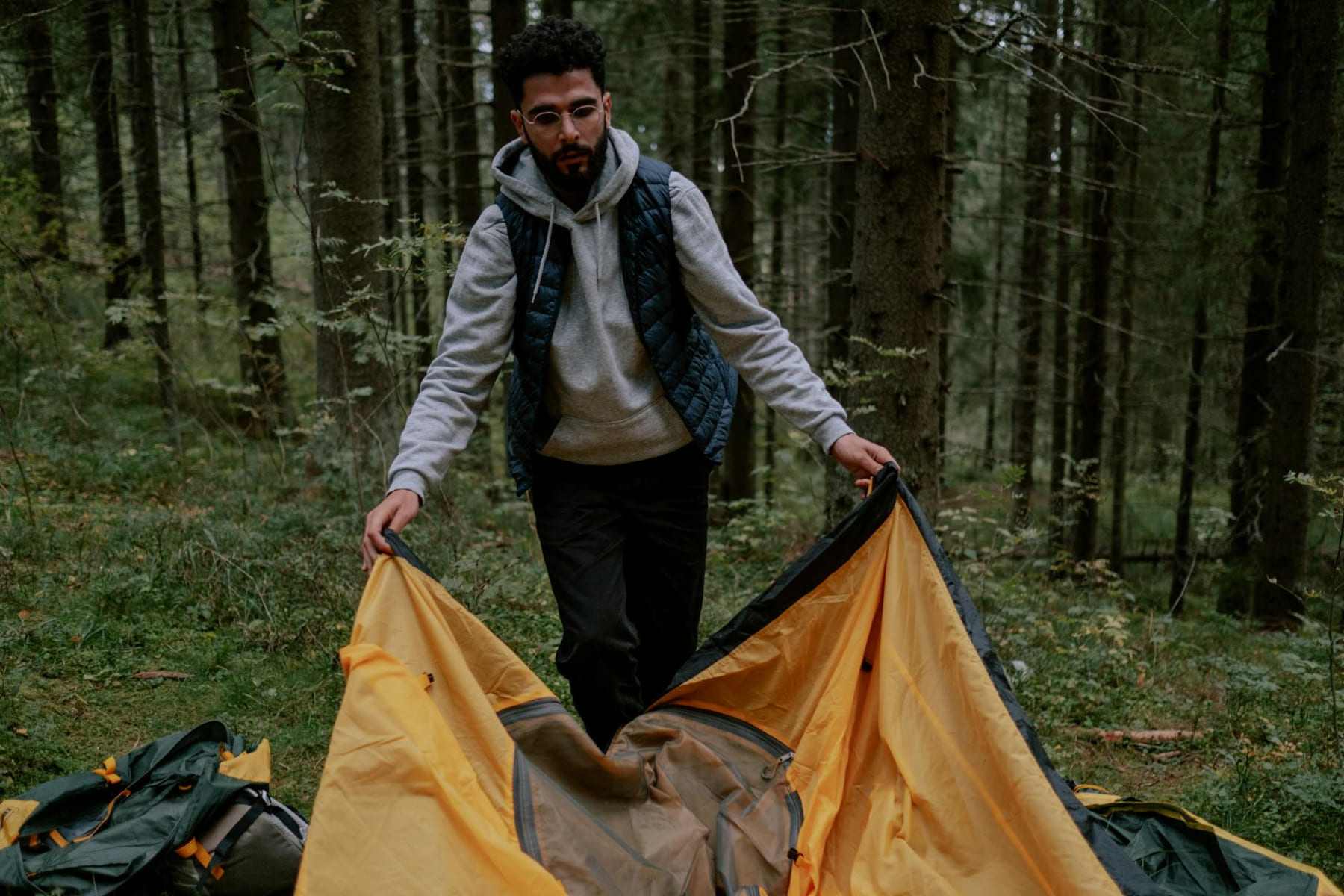
Backpacking on a Budget: Your Guide
on a Budget can be easier to approach when you start with a few practical basics. Gear is undeniably a significant portion of the backpacking budget. It’s tempting.
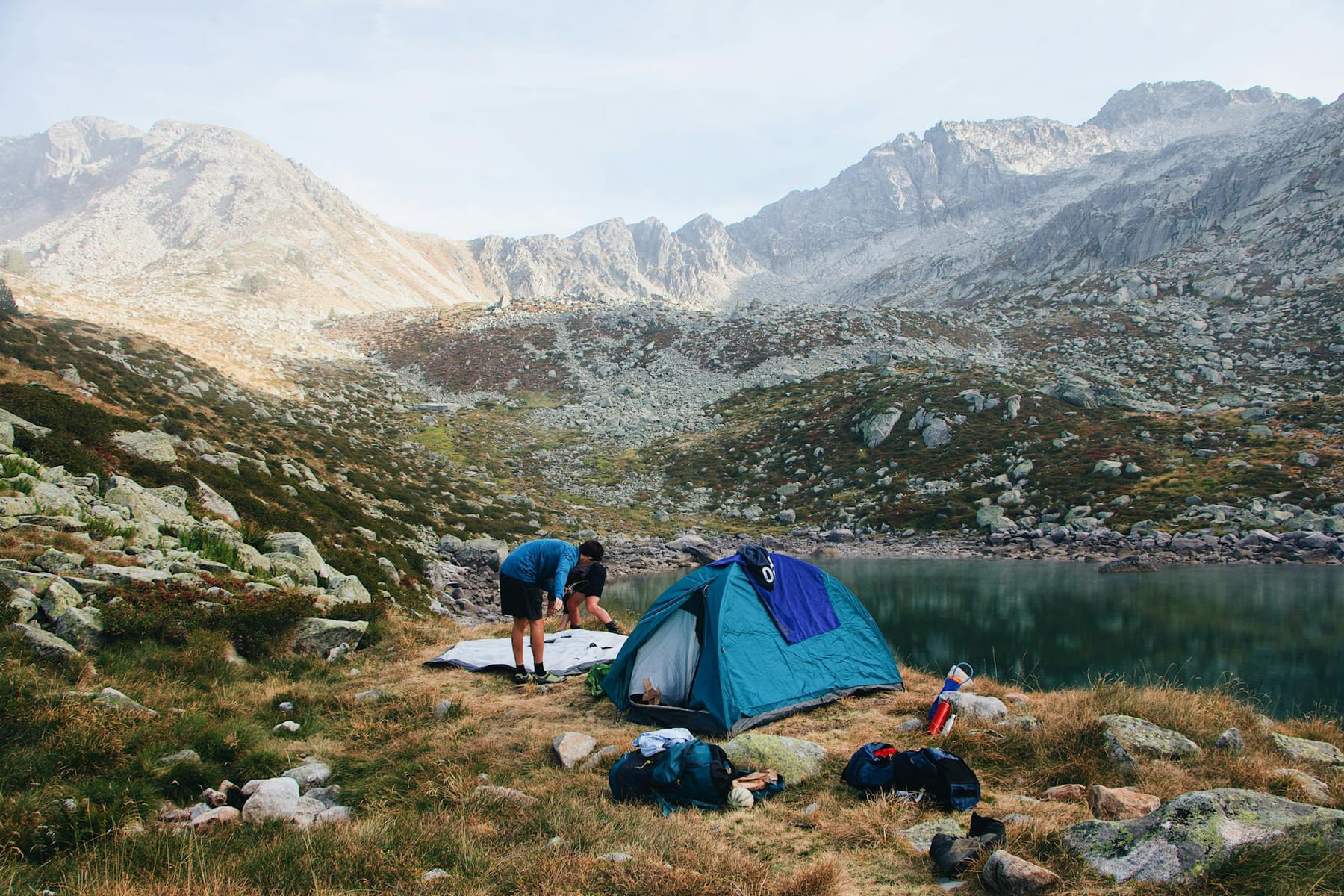
Backpacking Budget: Common Mistakes
Budget Hacks - Mistakes to Avoid (2026) Backpacking Budget Hacks - Mistakes to Avoid (2026) Remember that feeling? You’re picturing yourself under a canopy.
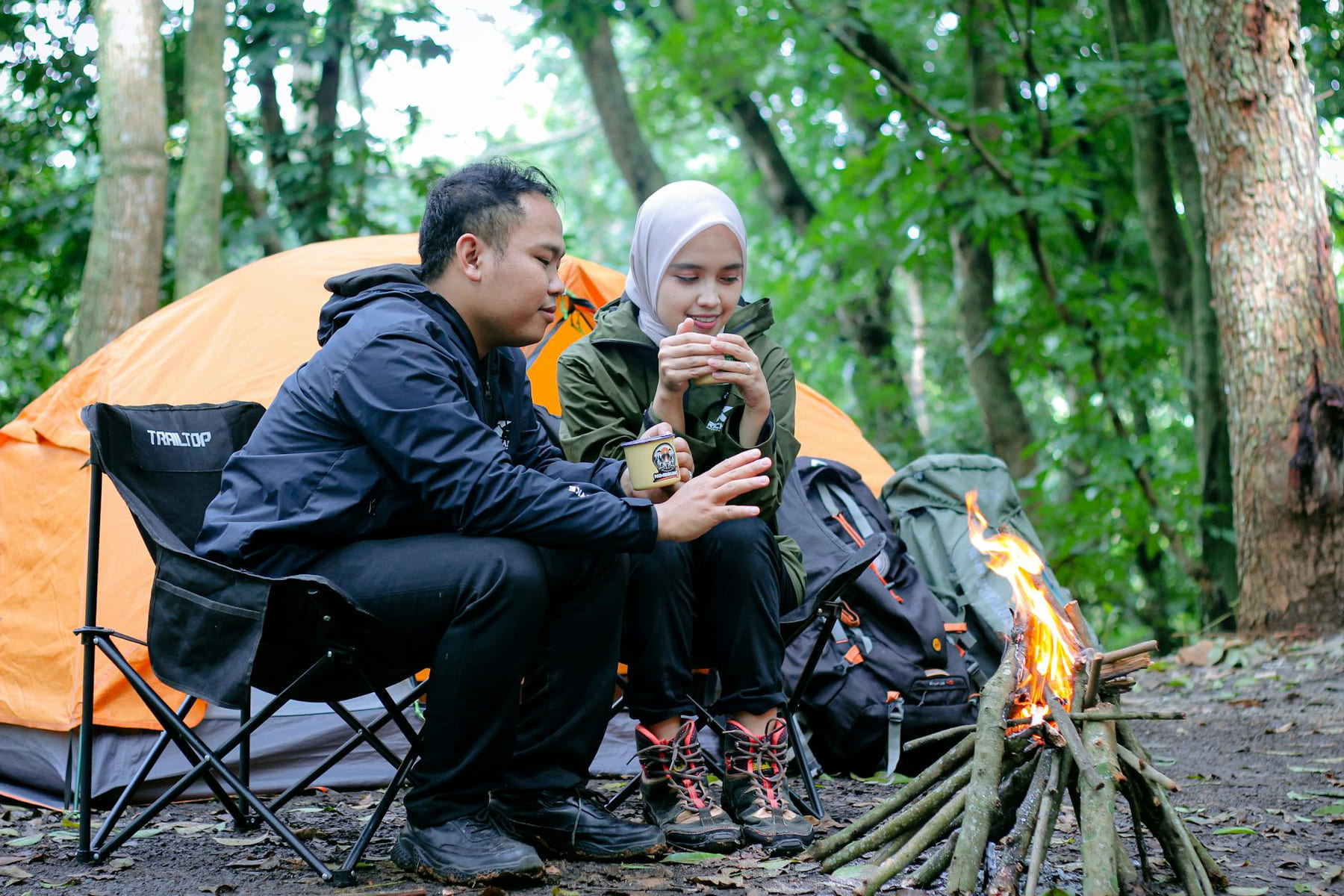
Backpacking on a Budget: First Steps
Budget Hacks for Beginners - The Frugal Camper Backpacking Budget Hacks for Beginners: Level Up Your Adventure Without Breaking the Bank The allure of backpacking.