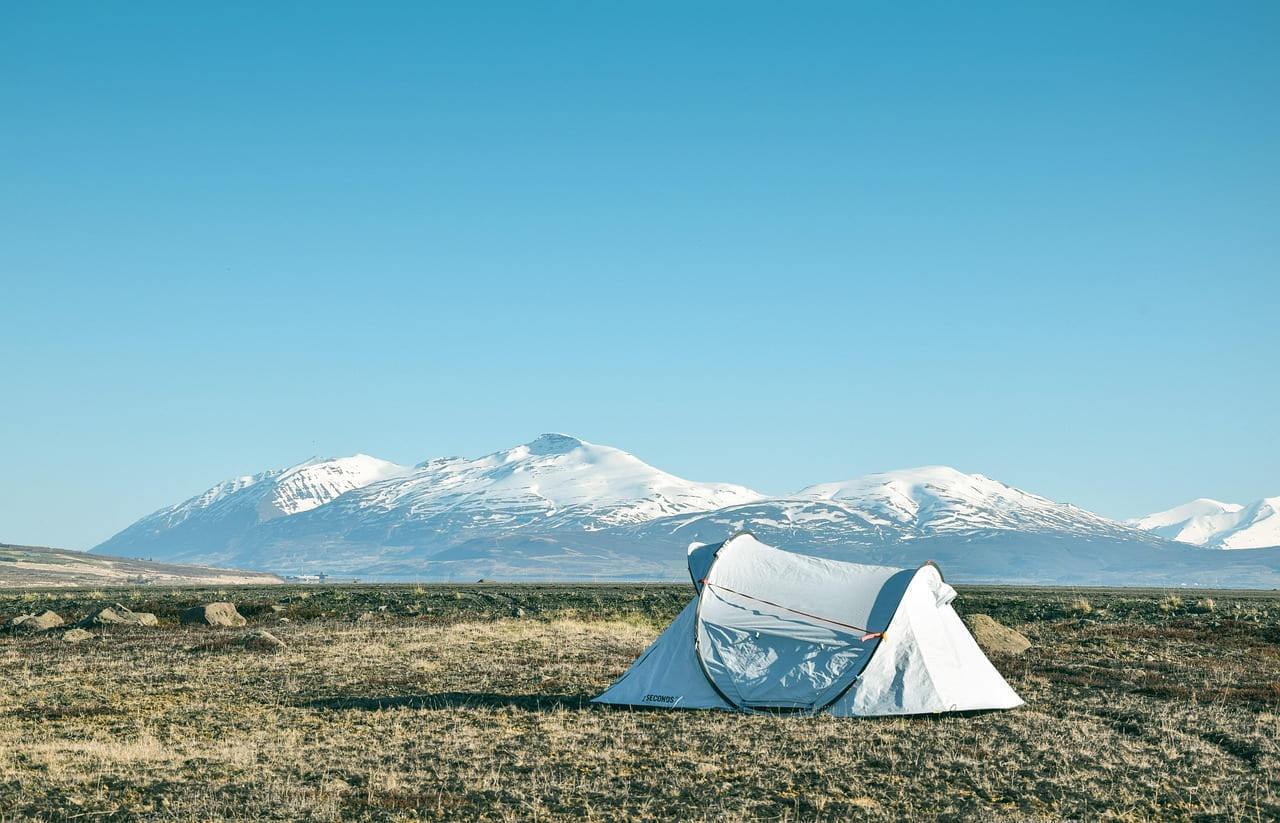
1. Gear: Smart Investments, Not Splurges
on a Budget can be easier to approach when you start with a few practical basics. Gear is often the biggest hurdle for budget backpackers. It’s tempting to buy the latest, shiniest equipment, but that’s a recipe for financial stress. Instead, prioritize essential items and consider these strategies:
- Borrow or Rent: Seriously! Check with friends, family, or local outdoor clubs. Many people have gear they’re willing to lend out, saving you a significant chunk of change. Rental shops are also a great option for expensive items like tents or backpacks, especially if you only backpack occasionally.
- Used Gear is Your Friend: Websites like eBay, Craigslist, Facebook Marketplace, and REI’s Used Gear section are goldmines. You can find high-quality gear at drastically reduced prices. Don’t be afraid to inspect items carefully or ask for photos of wear and tear.
- Start with the Basics: You don’t need a 7-person tent for a solo trip. Focus on a lightweight, reliable tent that fits your needs. A simple sleeping bag and pad are more important than fancy features.
- DIY Gear (For the Adventurous): Seriously consider making your own gear. Simple tarp shelters, pot covers, and stuff sacks can be incredibly cost-effective. There are tons of tutorials online - just be sure to prioritize safety and durability.
Example: I recently scored a brand-new, top-of-the-line sleeping bag for $80 on eBay - it originally retailed for $250! A little research and patience paid off.
2. Transportation: Getting There Without Breaking the Bank
Transportation can easily eat up a large portion of your backpacking budget. Here’s how to keep it under control:
- Carpooling: Organize a carpool with fellow backpackers. Sharing gas costs significantly reduces the expense.
- Public Transportation: If possible, utilize buses, trains, or regional trains to reach your trailhead.
- Walk or Bike: If the distance is manageable, consider walking or biking to the trailhead. It’s free exercise and a great way to immerse yourself in the scenery.
- Drive Smart: If driving is necessary, plan your route carefully to avoid tolls and high-gas-price areas. Maintain your vehicle to ensure optimal fuel efficiency.
Example: For a trip to Yosemite, I carpooled with three other friends, splitting the gas cost of $150 between us - that’s just $30 per person!
3. Food: Fueling Your Adventure on a Budget
Food is another major expense. Prepared meals and snacks add up quickly. Let’s tackle this strategically:
- Meal Planning is Key: Plan your meals in advance and create a detailed grocery list. Stick to the list to avoid impulse purchases.
- Dehydrated Meals: While not the cheapest option upfront, dehydrated meals are lightweight, easy to prepare, and can be more cost-effective than buying fresh food.
- Cook Your Own Food: Camp stoves are relatively inexpensive, and cooking your own meals is almost always cheaper than eating out.
- Pack Snacks: Trail mix, energy bars, fruit, and nuts are essential for keeping your energy levels up between meals.
- Forage Responsibly (If Allowed): Learn about edible plants in the area you’re visiting - but *always* be 100% certain of identification before consuming anything. Respect local regulations regarding foraging.
Example: I consistently save around $50-$75 per trip by packing my own food and cooking my own meals. A simple pot, stove, and a few dehydrated meals are enough to keep me fueled for several days.
4. Campsite Costs & Permits
Campsites and permits can vary dramatically in price. Research thoroughly:
- Free Camping: Explore dispersed camping options (often on National Forest or BLM land). These sites are typically free but may lack amenities like restrooms and water. Always check regulations and leave no trace.
- State Parks & National Parks: State parks often offer more affordable campsite fees than national parks.
- Backcountry Permits: Many popular backpacking areas require permits, which can range from free to several dollars per night. Apply well in advance, as permits can sell out quickly.
- Shoulder Season Camping: Consider traveling during the shoulder seasons (spring and fall) when campsite fees may be lower and crowds are smaller.
Example: Dispersed camping in the White Mountains National Forest allowed me to backpack for free, saving me over $100 in campsite fees.
5. Essential Budgeting Tools & Mindset
Beyond the specific tips above, adopting a mindful budgeting approach is crucial.
- Create a Detailed Budget: Estimate all your expenses - gear, transportation, food, permits, etc. - and track your spending throughout the planning process.
- Set a Realistic Budget: Be honest with yourself about how much you can afford to spend. Don’t overextend yourself.
- Track Your Spending: Use a spreadsheet, budgeting app, or even a notebook to track your expenses. This will help you identify areas where you can cut back.
- Embrace Minimalism: The less you own, the less you have to carry and the less you spend. Focus on experiences, not possessions.
- Prioritize Experiences Over Luxury: A comfortable, affordable tent and a good meal are far more important than fancy gadgets or expensive gear.
Backpacking on a budget isn’t about sacrificing the joy of adventure; it’s about being smart, resourceful, and prioritizing what truly matters. With a little planning and these backpacking budget hacks, you can explore the great outdoors without emptying your bank account. Now get out there and start planning your next affordable adventure!
Pick the easiest win first
Most people get better results with Backpacking on a Budget: Simple Tips when they narrow the decision to one real problem. That could be saving time, trimming cost, reducing friction, or making the routine easier to keep up.
This usually gets easier once you make a short list of priorities. A tighter list tends to produce better decisions than trying to solve every possible problem at once.
Another useful filter is asking what you would still recommend if the budget got tighter, the schedule got busier, or the setup had to be easier for someone else to manage. The answers to that question usually reveal which advice is durable and which advice only works under ideal conditions.
The tradeoff most people notice late
One common mistake with Backpacking on a Budget: Simple Tips is expecting every option to solve the whole problem. In reality, some choices are better for convenience, some for reliability, and some simply for keeping the budget under control.
Before spending more, it is worth checking the setup, upkeep, and learning curve. Small hassles matter here because they are usually what decide whether something stays useful or gets ignored.
It is easy to underestimate how much clarity comes from removing one unnecessary layer. In practice, trimming one complication often does more for Backpacking on a Budget: Simple Tips than adding one more feature, one more product, or one more clever workaround.
Keep This Practical
A frugal trip still works best when the essentials are solid. Focus on the gear or habit that improves safety and comfort first, then build the fun extras around that.
Tools Worth A Look
These picks are most useful if you want camping gear or trip supports that improve comfort, value, or setup simplicity.
- 2 Person Outdoors Camping Tent with Rain Fly and Carrying Bagcamppal 1 Person Tent for Camping Hiking Mountain Hunting Backpacking Tents 4 Season Resistance to Windproof Rainproof and WaterproofForceatt Camping Tent 2/3/4 Person, Professional Waterproof & Windproof Lightweight Backpacking TentCamping Essentials for Tent and Trailer Camping: Required Gear for Families, Couples or Solo Campers What You NeedElegear CumbreX™ Self Inflating Sleeping Pad, 3.15" Ultra-Thick Memory Foam Camping Pad
Some of the links on this page are Amazon affiliate links, which means I may earn a small commission if you make a purchase through them. As an Amazon Associate, I earn from qualifying purchases.
Related ReadingMore from The Frugal Camper
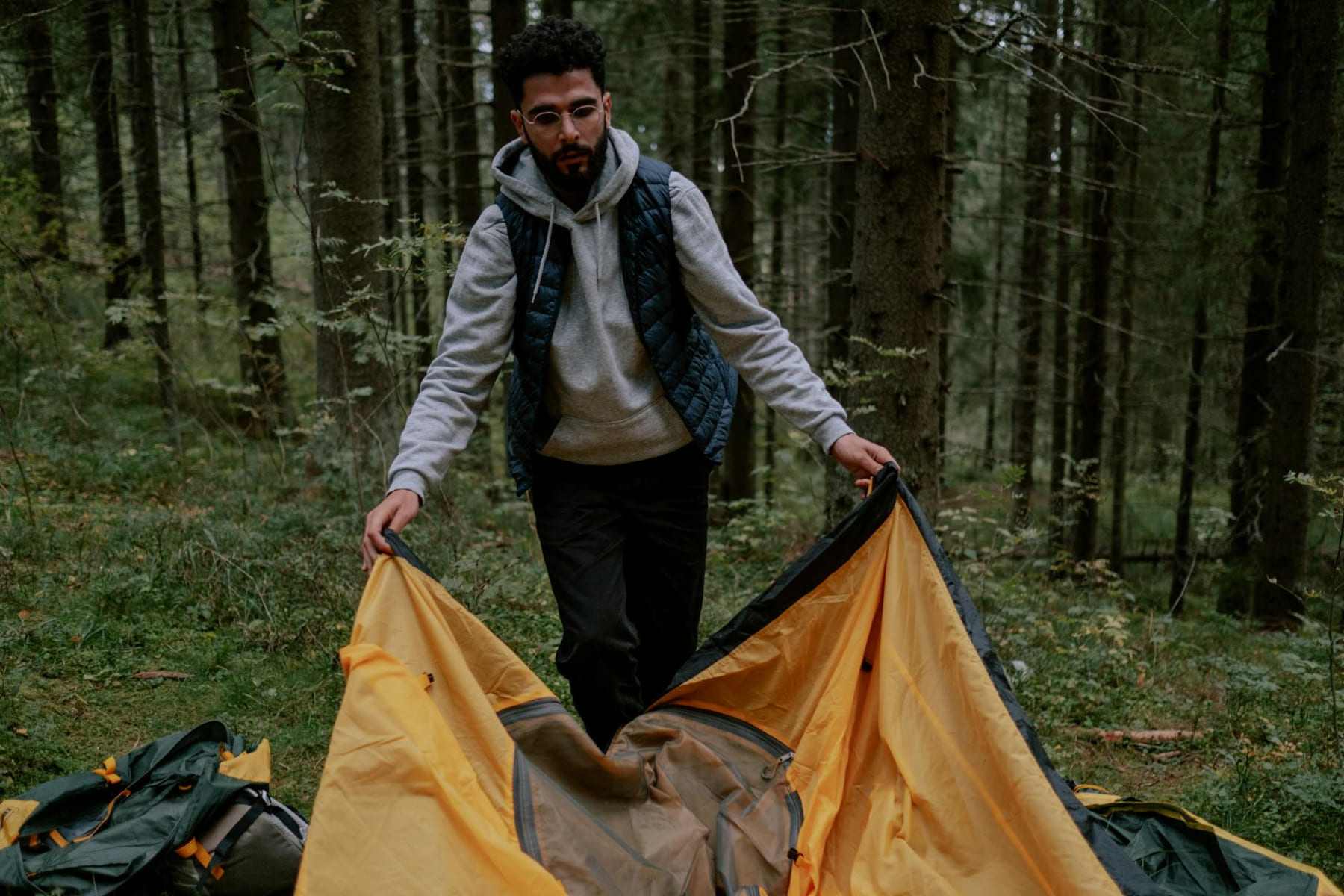
Backpacking on a Budget: Your Guide
on a Budget can be easier to approach when you start with a few practical basics. Gear is undeniably a significant portion of the backpacking budget. It’s tempting.
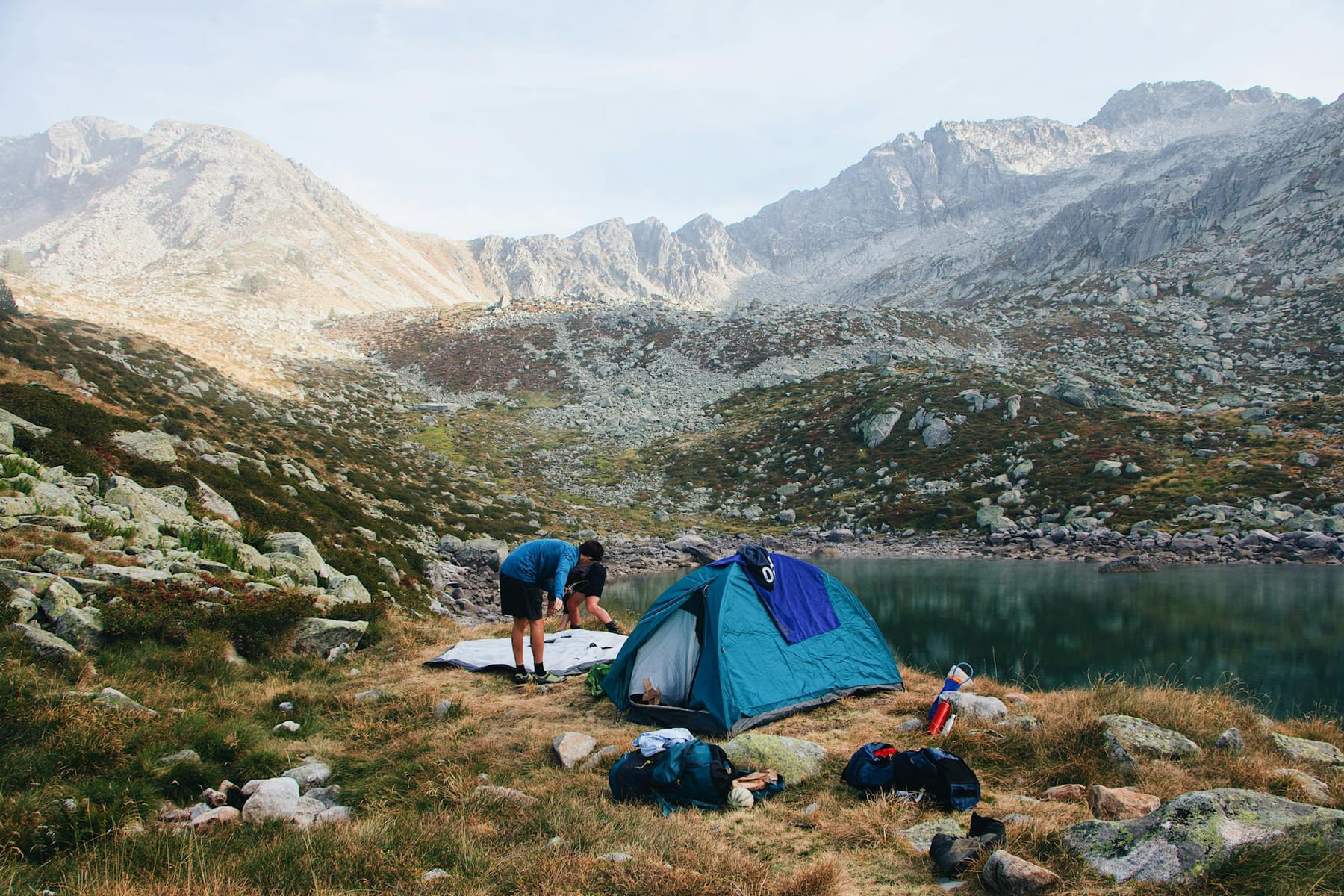
Backpacking Budget: Common Mistakes
Budget Hacks - Mistakes to Avoid (2026) Backpacking Budget Hacks - Mistakes to Avoid (2026) Remember that feeling? You’re picturing yourself under a canopy.
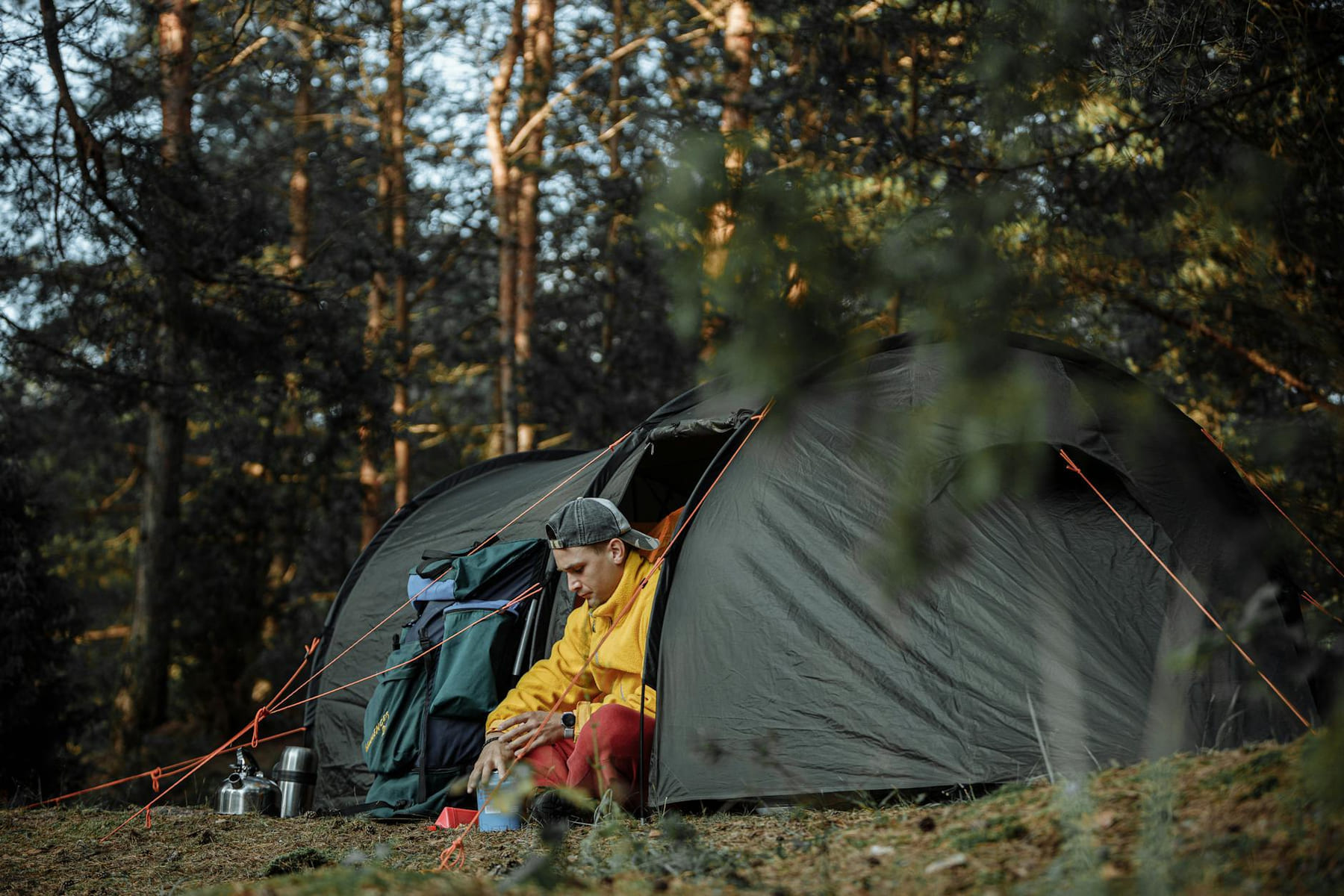
Backpacking on a Budget: Smart Ideas
on a Budget can be easier to approach when you start with a few practical basics. Let’s tackle the elephant in the tent: gear. New backpacking gear can be.