Let’s be clear: backpacking on a budget isn’t about sacrificing comfort entirely. It’s about being ruthlessly efficient, prioritizing needs over wants, and understanding that a successful trip hinges on meticulous preparation. I’ve spent years - and a considerable amount of money - learning this lesson the hard way. Overspending on gear and neglecting the planning phase is a recipe for a miserable experience, and frankly, a waste of your hard-earned cash. This initial phase is where you build the bedrock of your trip, and it’s where you’ll save the most money.
Think of it like a mechanic diagnosing a car. You don’t just throw parts at a problem hoping something sticks. You systematically assess the issues, identify the root causes, and then implement targeted solutions. Backpacking is the same. Let’s start with the essentials.
1. Destination Research - Beyond the Instagram Feed:
Don't just pick a location because it looks pretty on Instagram. That idyllic image doesn’t account for permit requirements, trail conditions, water sources, or potential hazards. Start with reliable sources: the Forest Service website for the area, AllTrails, and local ranger stations. Understand the regulations - permits are often required, and fees can add up quickly. Research elevation gain - a steep climb can significantly impact your energy levels and gear needs. Look for established campsites to minimize impact on the environment and reduce the need for carrying extra supplies. A good rule of thumb: if it's popular, it’s likely regulated.
Example: I once headed to a remote mountain range based solely on a stunning photo. Turns out, access required a multi-day permit lottery, and the trail was significantly more challenging than advertised. I ended up spending more on the permit than I’d planned, and the extra effort nearly derailed the whole trip.
2. Gear - The Minimalist Approach:
This is where most people blow their budget. The key is to borrow, rent, or buy used. Don’t feel pressured to buy the latest, most expensive gear. A well-maintained, functional piece of equipment is far more valuable than a shiny new one you barely use.
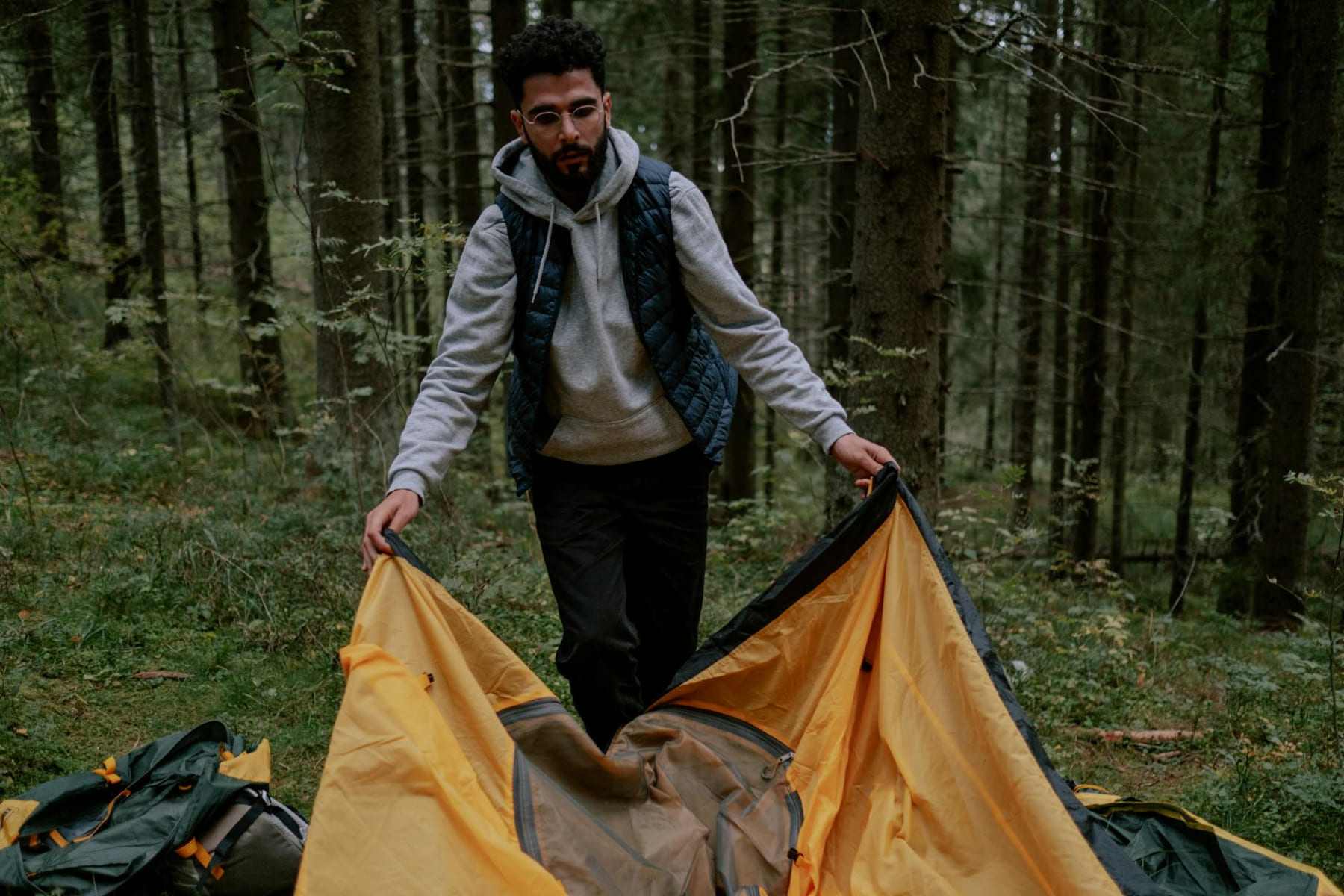
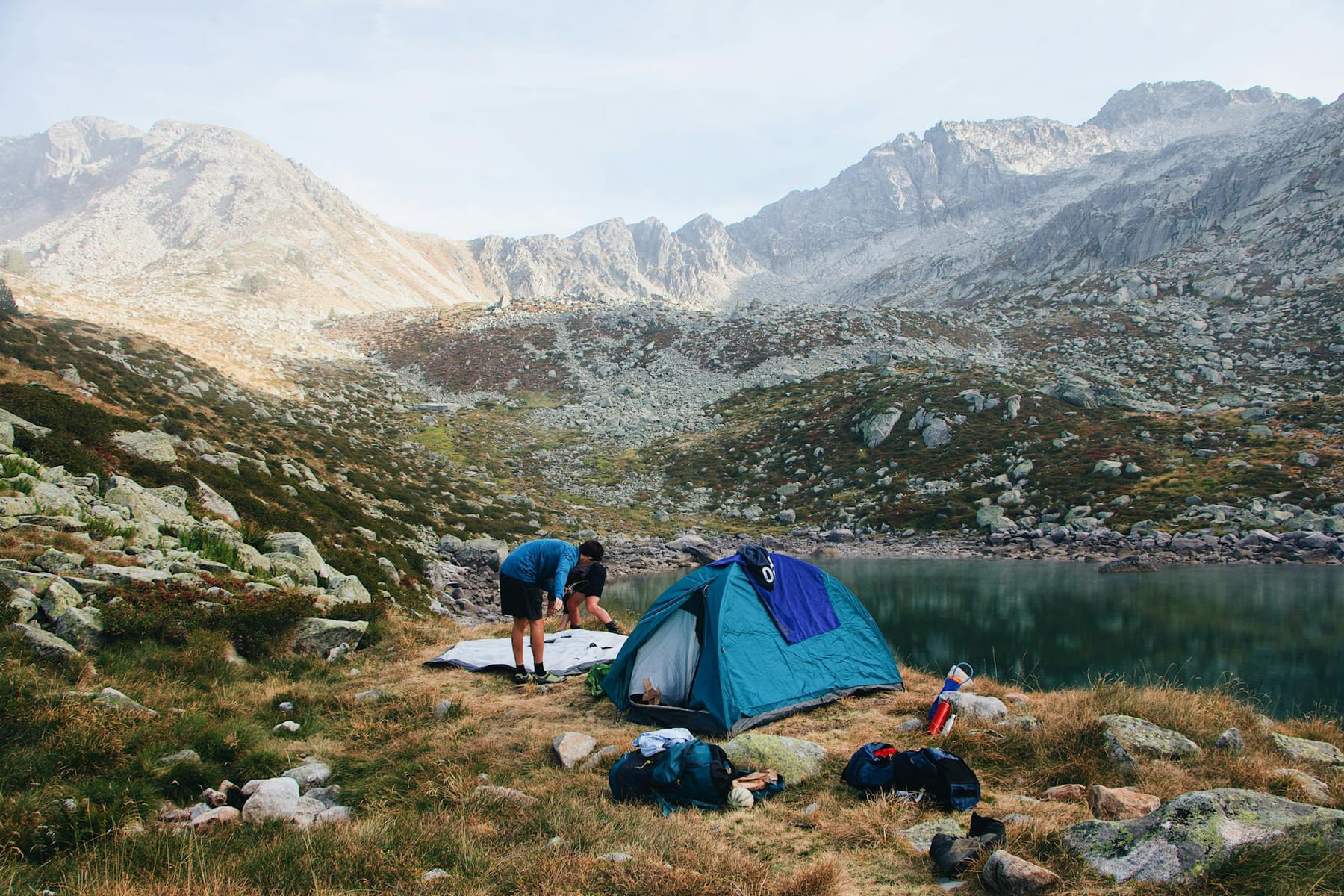
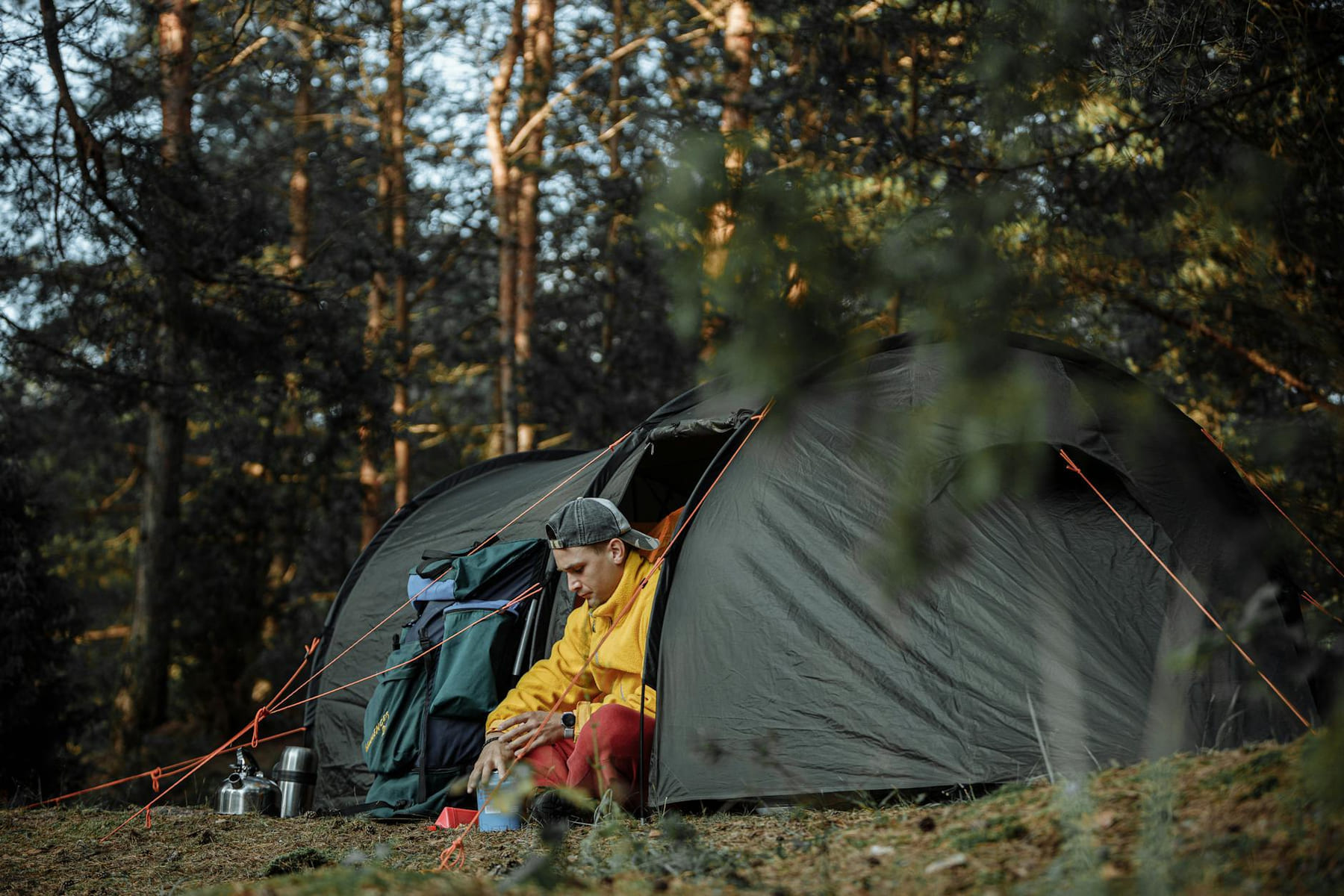
- Shelter: A quality tent is a must, but a simple, lightweight backpacking tent is sufficient. Consider a used tent from reputable outdoor retailers - you can often find excellent deals.
- Sleeping System: A sleeping bag rated for the expected temperatures is crucial. Again, used sleeping bags are a great option. A closed-cell foam pad is cheaper and more durable than an inflatable pad.
- Backpack: A properly fitted backpack is essential for comfort and preventing injuries. Renting a pack for a test trip is a smart investment.
- Cooking System: A simple stove and pot are all you need. Consider a canister stove for ease of use and cleanup.
- Clothing: Layering is key. Pack moisture-wicking base layers, an insulating mid-layer, and a waterproof outer layer. Avoid bringing unnecessary clothing - you’ll be surprised how little you actually need.
3. Food Planning - Pack Smart, Eat Light:
Food is a significant expense. Plan your meals carefully, focusing on lightweight, calorie-dense options. Dehydrated meals are convenient but can be pricey. Consider making your own dehydrated meals - it’s cheaper and you have more control over the ingredients. Repackage food into ziplock bags to save space and weight.
Example: I once bought a pre-packaged dehydrated meal that cost $12. It provided about 400 calories and tasted like cardboard. Making my own dehydrated chili, using beans, rice, and spices, cost me less than $5 and tasted significantly better.
4. Route Planning & Navigation - Don't Rely on Cell Service:
Download offline maps to your phone or GPS device. Carry a physical map and compass, and know how to use them. Cell service is unreliable in many backcountry areas. Let someone know your itinerary and expected return date. A personal locator beacon (PLB) can be a lifesaver in emergencies.
- Trail Apps: Apps like Gaia GPS and AllTrails are invaluable for offline navigation, but don’t rely solely on them.
- Compass Skills: Learning basic compass navigation is a fundamental skill for any backpacker.
5. Budgeting - Track Every Penny:
Create a detailed budget and stick to it. Track every expense, from gear purchases to food costs. Use a spreadsheet or budgeting app to stay organized. Be realistic about your spending and identify areas where you can cut back.
Example: I started tracking every dollar I spent on camping trips. I quickly realized that I was spending far more than I realized on things like firewood and snacks. By making a conscious effort to pack my own food and firewood, I saved a significant amount of money.
Essential Skills & Gear - The Practical Side of Backpacking
Now that we've laid the groundwork with planning and preparation, let’s move on to the practical skills and gear you’ll need to actually do the backpacking. This phase is about building confidence and ensuring you can handle the challenges of the trail.
1. First Aid & Wilderness Survival:
This isn’t about becoming a survival expert, but about knowing the basics. Carry a comprehensive first-aid kit and know how to use it. Learn how to treat common injuries like blisters, cuts, and sprains. Understand how to build a basic shelter, start a fire, and purify water. The Red Cross offers wilderness first aid courses that are well worth the investment.
2. Water Procurement & Purification:
Access to clean water is paramount. Learn how to identify reliable water sources and how to purify water using a filter, chemical treatment, or boiling. Carry enough water capacity for emergencies.
- Water Filters: Sawyer Squeeze and Katadyn BeFree are popular and reliable options.
- Water Purification Tablets: Aquatabs are lightweight and effective.
3. Fire Starting:
Knowing how to start a fire in various conditions is a valuable skill. Carry multiple fire-starting methods - matches, a lighter, and a ferro rod. Practice building a fire before your trip.
4. Leave No Trace Principles:
Respect the environment and minimize your impact. Pack out everything you pack in, stay on established trails, and dispose of waste properly.
- Pack it in, pack it out: This is the golden rule of backpacking.
- Minimize campfire impacts: Use established fire rings or stoves.
- Respect wildlife: Observe animals from a distance and never feed them.
5. Gear Maintenance - Keeping Your Equipment in Top Shape:
Regularly inspect and maintain your gear. Clean and dry your tent after each trip. Lubricate zippers and buckles. Repair any damage promptly. A little preventative maintenance can save you a lot of headaches down the road.
Example: I once ignored a small tear in my tent and continued using it on a rainy trip. The tear quickly worsened, and I ended up having to spend the night under a leaky tarp.
Conclusion:
Backpacking on a budget isn’t about glamour; it’s about resourcefulness, careful planning, and a willingness to embrace simplicity. By focusing on the essentials, prioritizing needs over wants, and investing in quality gear (used when possible), you can enjoy incredible outdoor adventures without breaking the bank. It’s a mindset, really. It’s about appreciating the journey, the challenge, and the quiet satisfaction of a well-executed trip - all while keeping a watchful eye on your wallet. Now get out there and explore - responsibly and economically.
Keep This Practical
Camping gets better when the next gear or planning choice removes stress instead of adding more to manage. Start with the part of the trip that most affects comfort, setup, or cost.